Plant Overview
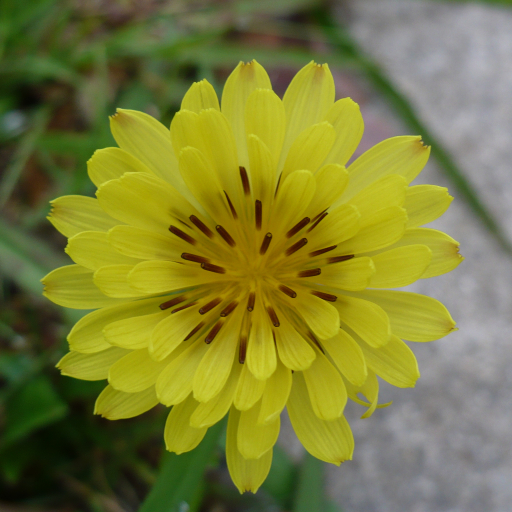
The Pyrrhopappus pauciflorus, affectionately known as the Texas Dandelion or Smallflower Desert-Chicory, is the resilient "sun-chaser" of the Southern plains. While it looks like a common dandelion on stilts, this North American native is a sophisticated relative that prefers the heat of the sun over the cool of the shade. It’s a common sight in meadows and along roadsides, painting the landscape with splashes of lemon-yellow from late spring through summer.
🔍 How to Identify
- 🌼 The Bloom: Look for lemon-yellow flower heads that feature a striking cluster of dark, purplish-black anthers in the very center. This "dark eye" is a key way to tell it apart from other yellow daisies.
- 🌿 The Stem: Unlike common dandelions that have a single hollow stalk, this plant grows tall (up to 20 inches) and often branches out, carrying multiple flowers on a single plant.
- 🍃 The Leaves: It starts as a flat rosette of deeply lobed leaves at the base, but as it grows, it develops smaller, narrower leaves along the stem.
🏡 In Your Garden
- ☀️ The Noon Nap: This plant is famous for its "nap time." The flowers typically open with the first light of dawn and tightly close by midday or early afternoon to protect their pollen from the scorching heat.
- 🌱 Taproot Strength: It possesses a very deep taproot, which allows it to thrive in poor, sandy, or rocky soils where other plants might wither. Because of this root, it hates being transplanted—once it chooses a spot, it’s there to stay!
- 🐝 Pollinator Buffet: It is a high-value plant for native bees and butterflies. If you see it in your lawn, consider it a tiny, wild gas station for local pollinators.
⚠️ Safety & Toxicity
- ✅ Safe Status: The Texas Dandelion is generally considered non-toxic and safe for gardens shared with curious pets and children.
- 💧 Sap Sensitivity: Like many members of the Aster family, the stems contain a milky white latex (sap). While not poisonous, this sap can be sticky and may cause mild skin irritation or "itchy fingers" for individuals with sensitive skin.
✨ Fun Fact
Unlike the "Common Dandelion" which was brought over from Europe, the Texas Dandelion is a proud native of the United States and Mexico. It has evolved specifically to handle the intense droughts and unpredictable weather of the American Southwest!

Detailed Care Instructions
To grow Pyrrhopappus pauciflorus, also known as few-flowered pyrrhopappus or desert moss, you can follow these steps:
- Choose a suitable location: Pyrrhopappus pauciflorus thrives in dry and sunny areas, such as deserts or xeriscapes. Ensure the location receives full sun or partial shade throughout the day.
- Prepare the soil: Pyrrhopappus pauciflorus prefers well-draining soil. Sandy or loamy soil is ideal. If the soil is heavy or clayey, amend it with sand or organic matter to improve drainage.
- Start seeds indoors: Pyrrhopappus pauciflorus is typically propagated from seeds. Start the seeds indoors in early spring, approximately 6-8 weeks before the last frost date. Use seed trays or pots filled with a well-draining potting mix. Sow the seeds on the soil surface, lightly press them into the soil, and keep them moist.
- Transplanting: Once the danger of frost has passed and the seedlings have developed a few true leaves, they can be transplanted outdoors. Choose a suitable spot in your garden or chosen location. Space the seedlings about 6-12 inches apart to allow proper airflow and growth.
- Watering: Pyrrhopappus pauciflorus is drought-tolerant but benefits from regular watering during its establishment phase. Water the plant deeply once or twice a week to ensure the root zone is sufficiently moist. Once established, it will require less frequent watering.
- Mulching: Apply a layer of organic mulch around the plant to conserve moisture, suppress weeds, and regulate soil temperature. Avoid placing the mulch directly against the stems to prevent rotting.
- Maintenance: Few-flowered pyrrhopappus is a low-maintenance plant. Remove any weeds that may compete with the plant for nutrients and water. Deadhead spent flowers to encourage continuous blooming. In general, this plant requires little to no fertilization.
- Propagation: Pyrrhopappus pauciflorus can also be propagated by collecting and sowing mature seed heads. Wait until the seed heads turn brown and fluffy before collecting them. Store the seeds in a cool, dry place until ready for sowing.
By following these steps, you should be able to successfully grow Pyrrhopappus pauciflorus.

Place in a bright room that is sun drenched almost all day. Or directly in a south-facing window.

To water the plant, first, assess the soil moisture by sticking your finger about an inch into the soil. If the soil feels dry to the touch, it is time to water. Use a watering can or hose with a gentle stream to avoid damaging the plant. Water the base of the plant until the soil is thoroughly moist, but avoid overwatering as this plant prefers well-draining soil. Pay attention to the weather conditions and adjust watering frequency as needed.
To fertilize this plant, apply a balanced fertilizer in early spring and again in mid-summer. Use a slow-release granular fertilizer or a liquid fertilizer diluted to half strength. Make sure to water the plant before and after applying fertilizers to avoid burning the roots. Avoid over-fertilizing as it can cause excessive growth and weaken the plant's structure. Always follow the instructions on the fertilizer label.
The ideal soil for this plant should be well-draining and sandy or loamy in texture. It should not be too heavy or clayey, as this may cause waterlogging and hinder root development. The pH level of the soil should be neutral to slightly alkaline, with a range of 6.5 to 7.5. It is recommended to mix the soil with organic matter such as compost or peat moss to improve its fertility and water retention capacity. Additionally, the plant prefers a sunny location with good air circulation to promote healthy growth and flowering.
Pyrrhopappus pauciflorus can be propagated through both seed and vegetative methods.
To propagate through seed, collect mature seed heads from the plant and allow them to dry completely. Once they are dry, gently twist and shake the seed heads to release the seeds. Sow the seeds in well-draining soil during the spring or fall months. Keep the soil moist but not waterlogged, and place the container in a location with plenty of sunlight. Germination can take several weeks to a few months.
To propagate through vegetative methods, take stem cuttings from the plant during the growing season. The cuttings should be 4-6 inches in length and contain at least one node. Remove the lower leaves from the cutting, leaving only a few at the top to encourage new growth. Dip the cut end in rooting hormone and plant it in a container with well-draining soil. Keep the soil moist and place the container in a location with bright, indirect sunlight. The cutting should develop roots within 2-4 weeks.








