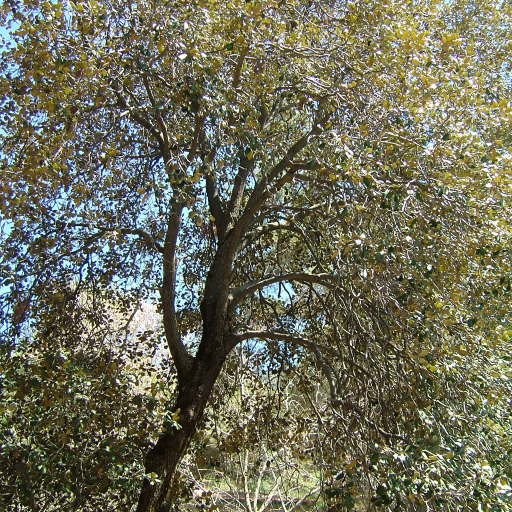
Plant Overview
Known as the Golden Oak, Quercus alnifolia is a botanical treasure found exclusively on the Mediterranean island of Cyprus. This evergreen shrub or small tree is so beloved that it was officially designated as the national tree of Cyprus in 2006. It is a master of survival, clinging to the rocky volcanic slopes of the Troodos Mountains where few other species can endure the harsh summer heat.
🔍 How to Identify
- 🍃 The Golden Underside: The most striking feature is the dense, velvety yellow or golden-brown fuzz (tomentum) covering the bottom of the leaves, which gives the tree its name.
- 🛡️ Leathery Texture: The leaves are small, stiff, and oval-shaped with slightly serrated (toothed) edges, a specialized adaptation to prevent water loss.
- 🌰 Pointed Acorns: Unlike the plump, rounded acorns of many European oaks, these acorns are notably slender, elongated, and taper to a sharp point.
🏡 In Your Garden
- ⛰️ Volcanic Roots: In its natural habitat, it grows in igneous, rocky soils. If planting at home, ensure your soil is extremely well-draining; it dislikes "wet feet" and heavy clay.
- 🐢 Slow and Steady: This is a very slow-growing species. While it requires patience, its compact and shrubby habit makes it an excellent choice for rock gardens or as a permanent, low-maintenance structural plant.
⚠️ Safety & Toxicity
- 🐾 Mildly Toxic: Like most members of the Quercus family, the acorns and leaves contain tannins. If ingested in large quantities, they can cause digestive upset in dogs, cats, and horses.
- 🧤 Physical Irritation: The leaves are quite stiff and the serrated edges can be prickly. Wear gloves if you are pruning or handling a mature specimen to avoid skin scratches.
✨ Fun Fact
🌟 The species name alnifolia literally means "alder-leaved" because of its resemblance to the Alder tree, but its most famous characteristic remains its "Midas touch"—when the wind blows, the canopy flashes from deep green to shimmering gold.

Detailed Care Instructions
To grow Quercus Alnifolia, also known as the Turkey Oak, follow these steps:
- Choose a suitable location: Turkey Oaks thrive in full sun to partial shade. They prefer well-draining soil, but can adapt to different soil types. Ensure the planting area has enough space for the tree to grow without obstructing nearby structures or other plants.
- Prepare the soil: Turkey Oaks prefer slightly acidic soil with a pH level between 5.5 and 7.0. Test your soil and amend it with organic matter, such as compost or pine bark, if necessary.
- Planting the tree: Dig a hole that is larger and deeper than the tree's root ball. Place the tree in the hole, making sure the soil line on the trunk matches the existing soil line. Backfill the hole with soil, gently firming it around the roots, and water thoroughly.
- Watering: During the first year, water the tree regularly to help it establish a deep root system. Provide supplemental water during dry periods, but ensure the soil drains well to prevent waterlogging.
- Mulching: Apply a layer of organic mulch, such as wood chips or bark, around the base of the tree to help retain moisture, suppress weeds, and regulate soil temperature.
- Pruning: Prune any damaged or crossing branches in late winter or early spring to maintain the tree's health and shape. Avoid heavy pruning as Turkey Oaks have a more natural, irregular growth habit.
- Fertilizing: Turkey Oaks generally do not require regular fertilization. However, if your soil is deficient in nutrients, you can apply a slow-release, balanced fertilizer in early spring.
- Pest and disease control: Turkey Oaks are relatively resistant to pests and diseases. However, it is still important to monitor the tree for any signs of infestation or disease and take appropriate measures if required.
- Proper care: Regularly monitor the tree's growth, and provide care as needed. This includes monitoring soil moisture, ensuring adequate sunlight, and protecting the young tree from extreme weather conditions, including freezing temperatures.
With proper care and attention, your Turkey Oak should grow into a beautiful and sturdy tree.

Place in a window with dappled sun or a spot in the middle of a room. Or directly in a window facing west or east.

To water this particular species of plant, it is recommended to soak the soil thoroughly but avoid overwatering. This can be achieved by watering deeply once a week or more frequently in hot, dry weather. It is important to let the soil dry out slightly between watering to avoid root rot and other issues. Additionally, it is important to avoid watering the foliage of the plant, as this can lead to fungal diseases. Instead, aim to water the soil around the base of the plant. If using a hose or watering can, avoid applying too much pressure to the soil, as this can damage the roots. Finally, it is important to adjust the watering schedule based on the season and weather conditions, as the plant may require more or less water depending on these factors.
To fertilize the plant, use a balanced slow-release or organic fertilizer in the early spring or fall. Apply the fertilizer evenly around the drip line of the tree, avoiding contact with the trunk. Water the tree well after fertilizing. Avoid over-fertilizing as it can harm the tree. The frequency of fertilizing will depend on the soil conditions and the age of the tree.
Quercus Alnifolia is a type of plant that prefers well-drained soils with a pH level between 5 and 7. This plant tolerates a range of soil textures but prefers a sandy loam or clay-loam texture. The soil should be kept moist, but not waterlogged, especially during the growing season. It is best to avoid heavy compacted soils and soils with high salinity levels. Adding organic matter, such as compost or aged manure, to the soil can improve drainage and nutrient availability. It is also recommended to apply a slow-release fertilizer in early spring to help promote healthy growth.
To propagate this plant, you will need to take stem cuttings from a mature and healthy parent plant. Make sure to choose a branch that is at least 6 inches long and has at least two healthy leaves.
Using a sharp, clean knife, make a clean cut just below a leaf node. Remove the bottom set of leaves and any flowers or buds. Dip the cut end in rooting hormone powder to stimulate root growth.
Prepare a pot or container with well-draining soil. Water the soil so it is moist but not waterlogged. Make a hole in the soil with a pencil or other pointed object.
Insert the end of the stem cutting into the hole, making sure that at least one node is buried in the soil. Gently press the soil around the cutting to hold it in place.
Cover the pot with a plastic bag to create a mini greenhouse. Place the pot in a bright, indirect light and maintain a temperature of around 70°F.
Check the cutting every few days and water as needed to keep the soil moist. After several weeks, you should start to see new growth and the cutting should have rooted.
Once the cutting has established roots and is growing well, you can transplant it to a larger container or to a permanent location in your garden.








