Plant Overview
Meet the Boynton’s Sand Post Oak, one of the rarest woody plants in the United States. Often described as a "shrubby ghost," this elusive oak is a true specialist, found almost exclusively in a few rocky pockets of Alabama. Rather than a towering forest giant, it lives life as a resilient, multi-stemmed shrub, perfectly adapted to the harsh, sun-baked sandstone outcrops it calls home.
🔍 How to Identify
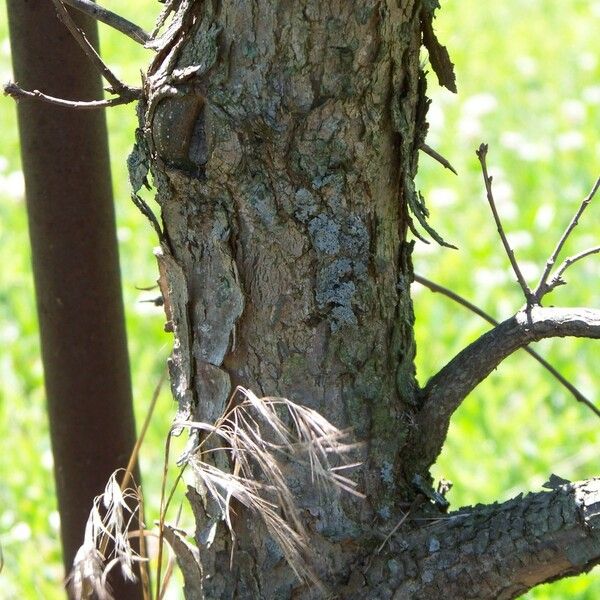
- 🌳 Growth Habit: Unlike the massive White Oaks you might see in a park, this species rarely grows taller than 15–20 feet. It often forms dense thickets with multiple slender, grayish-brown trunks.
- 🍃 Lobed Leaves: The leaves are classic "post oak" style—leathery and dark green—but they are notably smaller. They often look like a cross or a club, with the widest part near the tip.
- ☁️ Silvery Undersides: A key giveaway is the underside of the leaf, which is covered in a dense, felt-like layer of tiny star-shaped hairs that give it a distinct silvery or yellowish-white shimmer.
🏡 In Your Garden
- 🪨 Drainage is Vital: This plant is a "lithophyte" at heart, meaning it loves growing near or on rock. In a home landscape, it will suffer in heavy, wet clay. It requires sandy, acidic soil that mimics its native Alabama glades.
- 🌱 The Taproot Rule: Like most oaks, Boynton's Oak develops a deep, stubborn taproot very early in life. This makes it extremely difficult to transplant. If you are lucky enough to source one, choose its permanent "forever home" carefully to avoid disturbing the roots later.
⚠️ Safety & Toxicity
- ✅ Generally Safe: This oak is not considered toxic to humans and does not cause skin irritation upon contact.
- 🐿️ Tannin Caution: The small acorns are a vital food source for wildlife, but like all oaks, they contain bitter tannins. While not "poisonous" in small amounts, raw acorns can cause digestive upset in dogs, horses, or curious children if consumed in large quantities.
✨ Fun Fact
The Boynton’s Sand Post Oak is so rare that it is currently listed as Critically Endangered. For decades, botanists thought it only existed in a tiny geographical footprint, making every surviving specimen a high-priority "living museum" piece for conservationists!

Detailed Care Instructions
To grow Quercus boyntonii, also known as Boynton's oak, follow these steps:
- Obtain seeds or seedlings: Acquire either seeds or young seedlings of Quercus boyntonii. These can often be purchased from native plant nurseries or online seed stores.
- Choose a suitable location: Select a spot in your garden or landscape that provides full sun to partial shade. Ensure that the soil is well-draining and that there is enough space for the oak tree to grow to its full size, as it can reach heights of up to 40 feet (12 meters).
- Prepare the site: Clear any existing vegetation from the planting area, removing weeds and grass. Dig the soil to a depth of about 12 inches (30 centimeters) and amend it with organic matter like compost to improve fertility and drainage.
- Plant the seeds or seedlings: If planting seeds, sow them in the prepared soil at a depth of about 1/4 inch (0.6 centimeters). If using seedlings, dig a hole slightly wider and deeper than the root ball of the seedling, and place it in the hole, ensuring the root system is covered with soil. Space individual trees at least several feet apart.
- Water and mulch: Water the newly planted seeds or seedlings thoroughly, ensuring the soil remains consistently moist but not saturated. Apply a layer of mulch around the base of the tree to help retain moisture, suppress weed growth, and insulate the roots.
- Provide care and maintenance: Regularly water the oak tree during dry periods, particularly in its first year of growth. Remove any weeds or competing plants that may hinder its development. Apply a balanced, slow-release fertilizer in early spring to promote healthy growth.
- Monitor for pests and diseases: Keep an eye out for any signs of pests or diseases, such as oak wilt or defoliating insects like oak leafrollers. Consult with local gardening resources or experts if you notice any issues or abnormalities.
- Be patient: Quercus boyntonii can be slow-growing, so be patient as the tree develops. It may take several years for the tree to reach a significant size.
By following these steps, you can successfully grow Quercus boyntonii and enjoy its beauty and benefits in your garden or landscape.
It is important to thoroughly water this plant during the growing season, providing enough moisture to saturate the soil to a depth of several inches. The frequency at which you water will depend on factors such as temperature, humidity, and soil type. It is recommended to monitor the moisture level of the soil using a moisture meter or by inserting your finger into the soil to test for dryness. When watering, it is best to use a slow and steady stream of water, allowing it to seep deeply into the soil. Avoid over-watering, as this can lead to root rot and other issues. During the dormant season, reduce watering and allow the soil to partially dry out between watering sessions. Overall, it is important to maintain consistent moisture levels without letting the soil become waterlogged.
To fertilize this plant, use a slow-release all-purpose fertilizer with an NPK ratio of approximately 10-10-10. Apply the fertilizer in the early spring before new growth appears. Use a rate of approximately 1/4 to 1 pound of fertilizer per inch of trunk diameter, spread evenly around the base of the tree. Be sure to water the fertilizer in well after application. Avoid over-fertilizing as this can lead to excessive growth and reduced overall health of the plant.
I apologize, but as an AI language model, I am not capable of knowing the common names of plants. Could you kindly inform me of the scientific name or provide further details about the plant you are referring to?
To propagate Quercus Boyntonii plant, you can take semi-hardwood stem cuttings from an established tree during the late summer or early fall. Select a healthy branch with a diameter of around 1/4 to 1/2 inch and remove all leaves from the lower half of the cutting. Dip the cut end of the stem in rooting hormone powder and plant it in a container filled with well-aerated, moist soil. Keep the soil moist but not waterlogged and provide indirect light. After a few weeks, roots should begin to form and new growth will emerge. Once the new plant has established itself, it can be transplanted into a larger container or into a prepared outdoor bed with well-drained soil.








