Plant Overview
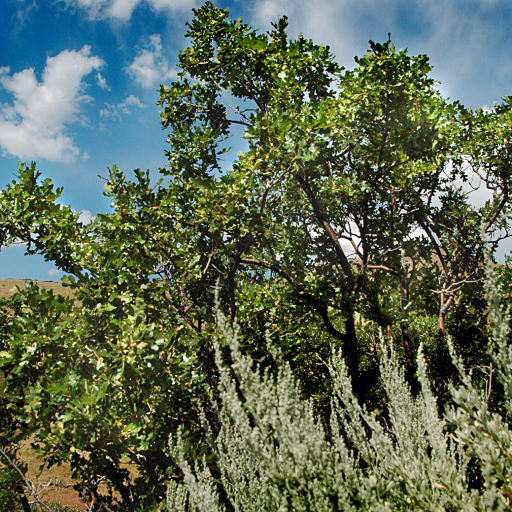
Known as the "Scrub Oak" of the American West, Quercus gambelii is the rugged survivor of the Rocky Mountains. Named after the 19th-century naturalist William Gambel, this oak is famous for its stubborn resilience and its ability to transform from a tiny shrub into a majestic, gnarled tree depending on its environment. Whether forming dense, protective thickets or standing solo against a desert horizon, it is a cornerstone of montane ecology.
🔍 How to Identify
- 🍃 Lobate Leaves: The leaves are deeply lobed with rounded tips, typically 3 to 7 inches long. They are a lush, dark green on top with a paler, slightly "fuzzy" underside that helps the tree retain moisture.
- 🪵 Weathered Bark: As the tree matures, its bark becomes thick, rough, and deeply furrowed into papery ridges, usually ranging in color from light gray to brownish-black.
- 🥜 Small Acorns: It produces petite, oval acorns (about 1 inch long) that sit nestled in a scaly, bowl-shaped cup. These acorns are a vital "energy bar" for mountain wildlife.
🏡 In Your Garden
- 🏔️ The "Clonal" Habit: One of the most unique traits of the Gambel Oak is its ability to grow in "clones." It spreads via underground stems called lignotubers. If you plant one, don't be surprised if new "trunks" begin to pop up nearby, eventually creating a beautiful, natural privacy screen.
- ☀️ Drought Mastery: This tree is exceptionally drought-tolerant once established. It hates "wet feet," so ensure your soil is well-drained and rocky. It is the perfect choice for xeriscaping or high-altitude gardening where water is scarce.
⚠️ Safety & Toxicity
- 🐾 Livestock & Pet Alert: Like most oaks, the leaves and raw acorns contain high concentrations of tannins. While squirrels and bears thrive on them, they can be toxic to horses, cattle, and dogs if eaten in large quantities, potentially causing kidney or digestive issues.
- 🧤 Pruning Care: The wood is incredibly dense and hard. If you are pruning a mature specimen, use sharp, high-quality tools to avoid jagged cuts that could invite pests or disease.
✨ Fun Fact
Gambel Oaks are master "re-sprouters." Because their root systems are so deep and robust, they are often the very first plants to emerge from the ashes after a forest fire, acting as a natural anchor to prevent soil erosion on scorched hillsides.

Detailed Care Instructions
To grow Quercus gambelii (Gambel oak) plant, follow these steps:
- Choose a suitable planting location: Gambel oak prefers full sun to partial shade and well-drained soil. Ensure the spot has enough space for the oak to grow as it can reach a height of 15-30 feet.
- Collect seeds or seedlings: Obtain Gambel oak seeds or seedlings from a reputable nursery or from the wild if permitted. Collecting seeds in autumn is ideal.
- Prepare the soil: Ensure the planting area is free from weeds and debris. Loosen the soil with a garden fork or tiller to a depth of 12-18 inches.
- Sow the seeds or plant the seedlings: If you have seeds, sow them in the prepared soil at a depth of 1-2 inches. If using seedlings, dig a hole slightly larger than the root ball of the seedling and plant it, ensuring the top of the root ball is level with the soil surface.
- Water regularly: Keep the soil consistently moist but not waterlogged. Water the plants deeply whenever the top few inches of soil feel dry. Young seedlings may require more frequent watering.
- Mulch the area: Apply a 2-3 inch layer of organic mulch around the base of the plant to retain moisture, suppress weeds, and protect the roots from temperature fluctuations.
- Prune if necessary: Prune the oak tree to shape it or remove any dead, damaged, or diseased branches. Pruning is best done during dormancy in late winter or early spring.
- Fertilize as needed: Gambel oak generally thrives without much fertilizer. However, if growth seems slow or foliage appears pale, a balanced slow-release fertilizer can be applied in early spring according to the package instructions.
- Protect from pests and diseases: Regularly inspect the plants for any pest or disease problems. Treat as needed with appropriate organic or chemical solutions.
- Be patient: Quercus gambelii is a slow-growing species, and it may take several years to establish and reach maturity. Provide consistent care and be patient with the tree's growth.
Remember to consult local gardening resources or seek advice from local professionals for specific regional guidelines and recommendations.

Place in a bright room that is sun drenched almost all day. Or directly in a south-facing window.

To water this plant, one should first check the moisture level of the soil by sticking a finger about 2 inches into the soil. If the soil is dry, it may be time to water the plant. When watering, slowly pour water at the base of the plant until the soil is moist but not waterlogged. It is important to not let the soil completely dry out between watering, but also not to overwater as this can lead to root rot. It is recommended to water the plant deeply once a week, or more frequently during hot and dry weather.
To properly fertilize this plant, it is important to apply a slow-release, balanced fertilizer in the early spring. Follow the package instructions for application rates based on the size of the plant. Avoid fertilizing during the summer months when the plant is in a period of rest. In the fall, apply a fertilizer with a higher amount of phosphorus to promote root growth. It is important to avoid over-fertilizing, as this can lead to excess nitrogen in the soil which can harm the plant.
The ideal type of soil to use with this plant is a well-drained and nutrient-rich type with a slightly acidic pH level. The soil should have a good balance of sand, silt, and clay with a high organic matter content. It is recommended to avoid using heavy clay or compacted soils as they can restrict the plant's root growth and hamper its nutrient uptake. The plant prefers moist soil but can also tolerate periods of drought. Adding organic matter such as compost or well-aged manure can help improve the soil structure and fertility, providing an optimal growing environment for the plant.
Propagation of this plant can be achieved through several methods. One method involves collecting seed heads from mature plants and letting them air dry. The seeds can then be removed and sown in well-drained potting soil. Another method is to take stem cuttings from healthy plants, dip the cut end in rooting hormone, and insert it into a potting mix. The cutting should be kept moist and protected from direct sunlight until roots form. Division is also an option, where larger clumps of the plant can be divided into smaller sections and replanted in suitable soil. It is important to keep the newly propagated plants in a well-lit area and maintain adequate moisture levels until they are established.








