Plant Overview
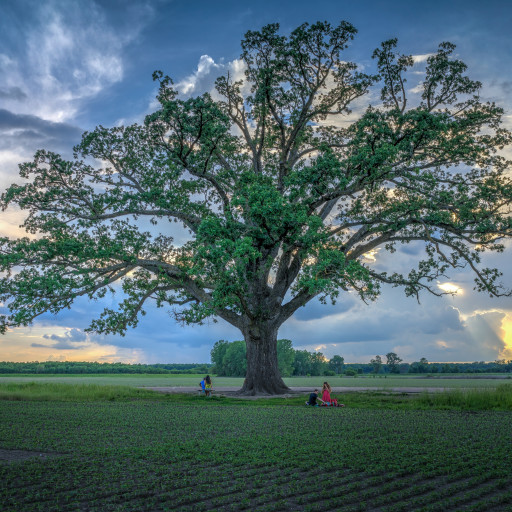
Known as the "Old Man of the Prairie," the Bur Oak (Quercus macrocarpa) is one of the most rugged and majestic trees in North America. Its common name comes from its unique, "burred" acorn caps that look like they are wearing fuzzy winter hats. This slow-growing giant is a symbol of resilience, often surviving for over 400 years while braving extreme droughts and prairie fires.
🔍 How to Identify
- 🌿 Violin-Shaped Leaves: The leaves are large, leathery, and dark green, featuring a deep pair of sinuses near the middle that give the leaf a distinct "waisted" or violin-like shape.
- 🌰 Fringed Acorns: This tree produces the largest acorns of any native North American oak. They are easily recognized by the "mossy" or "burred" fringe that covers half to nearly all of the nut.
- 🌳 Corky Bark: Young branches often develop prominent corky ridges or "wings," while the mature trunk features thick, deeply furrowed, greyish-brown bark that provides incredible protection.
🏡 In Your Garden
- 🏗️ Room to Grow: Because of its massive horizontal canopy and deep taproot, the Bur Oak is not a tree for small suburban plots. It needs significant space away from foundations and power lines to reach its full, sprawling glory.
- ☀️ Pioneer Resilience: This is a "plant it and leave it" tree once established. It is incredibly tolerant of various soil types, including heavy clay and alkaline soils, and its deep roots make it one of the most drought-resistant oaks available.
- 🦋 Wildlife Magnet: If you want to support local ecology, this is a top-tier choice. It hosts hundreds of species of caterpillars and provides essential winter food for squirrels, blue jays, and deer.
⚠️ Safety & Toxicity
- 🛡️ Generally Safe: The Bur Oak is non-toxic to humans and is not considered a high-risk plant for typical landscape use.
- 🐕 Pet Awareness: Like all oaks, the acorns contain tannins which can cause digestive upset if consumed in large quantities by dogs or horses. Additionally, the sheer size of the falling acorns can be a minor "bonk" hazard in autumn!
✨ Fun Fact
📜 Fire Survivor: The Bur Oak has evolved to be nearly fireproof. Its bark is so thick and corky that mature trees can survive intense prairie fires that would kill almost any other tree species, allowing it to dominate open savannahs for centuries.

Detailed Care Instructions
Bur oaks are long-lived; some specimens are estimated to be 300 years old.
Why doesn't my bur oak produce acorns?
The tree might not be old enough yet. The bur oak must usually be at least 35 years old before it produces viable acorns.
Why does wildlife flock to my bur oak but not other oaks?
In common with all oaks, the bur oak has acorns—whose bur-like covers gave the tree its name. The acorns taste better to wildlife than those from red oaks because they contain less tannin making them less bitter.
| Color | Inconspicuous |
| Soil Ph | 5.5-7.5 |
| Lighting | Full Sun |
| Toxicity | Non-Toxic |
| Soil Type | Sandy, Silt, Clay, Loamy |
| Bloom Time | Spring |
| Plant Type | Deciduous Tree |
| Mature Size | 70 To 90 Height, 60 To 90 Feet Width |
| Native Area | North America |
| Sun Exposure | Full Sun |
| Hardiness Zones | 3-8 |
To grow Quercus macrocarpa, also known as bur oak, you can follow these steps:
- Obtain acorns or young saplings: Collect acorns from the tree during the autumn season. Look for healthy and mature acorns by checking their size, weight, and lack of cracks or holes. Alternatively, you can purchase young bur oak saplings from a local nursery or online.
- Prepare the planting site: Choose a location with full sun exposure, as bur oak thrives in bright light. Ensure the soil is well-draining and fertile, as this plant prefers moist but not waterlogged soil.
- Germinate the acorns (optional): If you have collected acorns, you can germinate them before planting to increase the chances of success. Place the acorns in a plastic bag with some damp sand or vermiculite and store them in the refrigerator for 8-10 weeks. This cold stratification mimics the winter season and helps break the dormancy of the acorns. After the cold period, plant the germinated acorns or directly sow them outdoors in early spring.
- Planting: Dig a hole that is deep enough to accommodate the root system of the young sapling or acorn. If planting an acorn, cover it with 1-2 inches of soil. If using a sapling, place it in the hole and backfill with soil, gently firming it around the roots.
- Watering: Water the newly planted oak regularly, keeping the soil slightly moist but not overly saturated. Avoid letting the soil dry out completely, especially during the hot summer months.
- Mulching: Apply a layer of mulch around the base of the tree to help retain soil moisture, suppress weed growth, and protect the young plant's roots. Use organic materials such as wood chips or shredded leaves, and spread them about 2-3 inches deep.
- Pruning: Minimal pruning is necessary for bur oak, but you can remove any dead or damaged branches as needed. Prune during the dormant season in late winter or early spring to minimize stress on the tree.
- Fertilizing: Bur oak usually does not require additional fertilization, as it adapts well to various soil conditions. However, you may apply a slow-release balanced fertilizer in early spring to provide a nutrient boost.
- Pest and disease control: Monitor the tree for any signs of pest infestation or diseases such as oak wilt or oak decline. Promptly address any issues to ensure the tree's health and longevity.
- Patience: Growing a bur oak tree takes time, as it is a slow-growing species. Be patient and provide consistent care, and you will gradually see your Quercus macrocarpa plant flourish over the years.

Place in a bright room that is sun drenched almost all day. Or directly in a south-facing window.

Quercus Macrocarpa plant is a species of tree that requires enough water to grow and thrive. To ensure proper watering of this plant, it is important to consider the following:
1. Amount of water: This plant requires the right amount of water to grow and avoid damage. Too much water can lead to root rot, while too little water can cause dryness. It is recommended to give the plant a moderate amount of water that is enough to keep the soil moist but not excessively wet.
2. Frequency of watering: The frequency of watering this plant depends on the climate and soil condition. In general, the plant should be watered regularly during the growing season, especially during hot and dry periods. During winter or rainy season, the plant may require less frequent watering.
3. Watering method: The best method to water this plant is to soak the soil around the root zone. This can be done by using a watering can, hose or drip irrigation system. It is recommended to avoid watering the leaves or trunk of the plant as this can cause fungal growth.
4. Drainage: It is important to make sure that the soil around the plant has good drainage. This can be achieved by adding compost or sand to the soil, or by using a container with draining holes.
By following these simple tips, you can ensure that your Quercus Macrocarpa plant receives the right amount of water to grow and thrive.
To fertilize this plant, apply a balanced slow-release fertilizer in early spring before new growth emerges. Follow the recommended dosage for application, which is usually based on the plant's size. Avoid over-fertilizing as it can lead to excessive growth and reduced health. Water the plant thoroughly after fertilizing to ensure proper absorption. Repeat the process annually to maintain healthy growth and foliage.
In terms of soil, Quercus Macrocarpa plants prefer a well-draining soil that is rich in nutrients. A mixture of loam, sand, and organic matter, such as compost or peat moss, is ideal for this plant. The soil should be slightly acidic to neutral, with a pH range of 6.0 to 7.5. It is important to avoid using heavy clay soils or soils that are very alkaline, as this can negatively impact the growth and health of the plant. Additionally, regular fertilization and mulching can help to maintain soil moisture and nutrient levels, which are important factors for the overall health and success of the plant.
Quercus Macrocarpa is a type of tree that can be propagated through acorn germination. To propagate the plant, collect acorns in the fall when they are ripe. Choose acorns that are free of damage and discard those with holes or cracks.
To prepare the acorns for germination, remove the cap and rinse them in water. Soak the acorns in water for 24-48 hours to help remove any chemicals that may be inhibiting germination. After soaking, drain the water and spread the acorns on a paper towel to dry.
Once the acorns are dry, store them in a bag or container in a cool and dry place until spring. In the spring, plant the acorns outside in a sunny location in well-draining soil. Make a small hole about 1-2 inches deep and plant the acorn with the pointed end facing down.
Water the planting area regularly and keep it moist but not waterlogged. The acorn will begin to sprout in about 2-4 weeks. As the sapling grows, continue to water it regularly and protect it from pests and extreme weather.
After a few years, the sapling will mature into a tree, and you can repeat the process by collecting acorns from the mature tree and propagating them in the same way.








