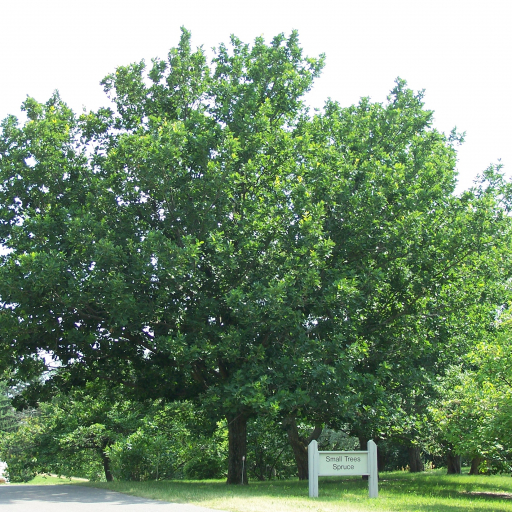
Plant Overview
Known as the "Iron Tree" of the East, the Mongolian Oak is a symbol of endurance and strength. Thriving in the bitter cold of Siberia and the high mountains of Korea and Japan, this majestic hardwood is a cornerstone of Asian temperate forests. While it grows slowly, it rewards the patient gardener with a massive, spreading canopy and a lifetime of shade.
🔍 How to Identify
- 🍃 The Leaves: Large, leathery, and obovate (teardrop-shaped) with 7 to 10 rounded lobes on each side. Notably, the leaves have very short stems, making them look as if they are hugging the branch.
- 🌰 The Acorns: Small, oval nuts that sit in distinctively scaly, fringed cups. These cups are shallow, covering only the bottom third of the acorn, and often grow in small clusters.
- 🌳 The Bark: On young trees, the bark is smooth and grey, but as it matures, it develops deep, rugged fissures and a dark, weathered texture that provides winter interest.
🏡 In Your Garden
- ⚓ The Taproot Rule: This tree develops a powerful, deep taproot very early in its life. Because of this, it hates being moved; transplanting a settled Mongolian Oak often results in failure, so choose its "forever home" with care.
- 🏔️ Climate Resilience: It is one of the most cold-hardy oaks in existence. It prefers well-drained, slightly acidic soil and full sun. While it can handle drought once established, it will grow significantly faster if the soil is kept consistently moist but not soggy.
⚠️ Safety & Toxicity
- 🐾 Animal Warning: Like most members of the Quercus family, the acorns and young leaves contain high concentrations of tannins. These are toxic to dogs, horses, and cattle if eaten in large amounts, potentially causing kidney damage.
- 👶 Human Safety: The tree is non-toxic to touch. While the acorns were historically used as a famine food, they are extremely bitter and must be processed (leached of tannins) before they are safe for human consumption.
✨ Fun Fact
- 🪵 The Wine Connection: In East Asia, the wood of the Mongolian Oak is considered the "Eastern equivalent" to French Oak. It is highly prized for making barrels to age premium wines and spirits, adding unique spicy and smoky notes to the liquid.

Detailed Care Instructions
To grow Quercus mongolica, also known as Mongolian oak, you can follow these steps:
- Seed selection: Obtain high-quality, fresh seeds from a reputable source. Mongolian oak seeds usually require cold stratification, so they need to go through a cold period to break their dormancy. Collect seeds from the wild or buy them from a nursery.
- Preparing the seeds: Soak the seeds in water for 24 hours to soften the outer shell before stratification. After soaking, drain the water and proceed to stratification.
- Cold stratification: Place the seeds in a sealable plastic bag with some moist vermiculite or peat moss. Make sure the seeds are evenly spread. Seal the bag and place it in the refrigerator for 60-90 days. This cold period mimics the natural winter conditions required for germination.
- Germination: After cold stratification, sow the seeds in a well-draining potting mix in small pots or seed trays. Add a thin layer of soil over the seeds and gently press it down. Keep the soil moist but not waterlogged.
- Light and temperature: Once the seedlings emerge (which may take several weeks), provide them with bright but indirect light. Maintain a temperature of around 20-25°C (68-77°F) during germination and seedling growth.
- Transplantation: Once the seedlings have grown to a suitable size (usually around 6-8 inches tall) with a developed root system, you can transplant them into larger containers or directly into the ground. Choose a spot with full sun to partial shade, with well-drained soil.
- Watering and care: Regularly water the young plants, allowing the soil to partially dry between watering. As they grow, Mongolian oak trees become more tolerant to drought. Mulching around the base of the plant can help retain moisture and suppress weed growth.
- Pruning and maintenance: Prune any damaged or weak branches during early growth to maintain a strong structure. Take care to prevent damage from pests or diseases by monitoring the tree regularly.
- Long-term care: Once established, Mongolian oak trees are generally low maintenance. However, continue to provide adequate water during dry periods, especially until the tree establishes a deep root system. Monitor for any signs of disease or pest infestations and take appropriate action as needed.
Remember that growing a tree from seed can take several years before it reaches maturity, so be patient and dedicated to nurturing your Quercus mongolica plant.

Place in a bright room that is sun drenched almost all day. Or directly in a south-facing window.

In order to properly water this plant, it is important to consider the specific needs of this species. This plant requires moderately moist soil, so be sure to check the soil often to make sure it is not drying out too much. When watering, make sure to saturate the soil thoroughly and allow any excess water to drain away, as this plant does not do well in standing water. It is also important to avoid getting water on the foliage, as this can lead to disease and damage. Water this plant regularly, but make sure not to overwater as this can also harm the plant. Additionally, consider the humidity levels of the room or environment the plant is in, as Quercus Mongolica may benefit from a higher humidity.
To fertilize the Quercus Mongolica plant, apply a slow-release fertilizer in early spring and late fall. Use a balanced fertilizer with equal or slightly higher amounts of nitrogen, phosphorus, and potassium. Spread the fertilizer around the drip line of the tree and water it in well. Avoid fertilizing during the summer months, as this can cause excessive growth and stress on the tree. Additionally, consider adding an organic mulch around the base of the tree to help retain moisture and nutrients in the soil.
When it comes to cultivating Quercus Mongolica plant, it's essential to choose the appropriate type of soil. This plant prefers acidic, moist, well-drained soil that contains plenty of organic matter. The pH level of the soil should be between 4.5 to 6.5, and it should not be deficient in essential nutrients like nitrogen, phosphorus, and potassium. Additionally, the soil should be loose enough to allow for proper root growth and aeration. It is also recommended to mix peat moss or compost to the soil to add organic matter.
Furthermore, Quercus Mongolica plant grows best in soil that is not compacted, and it requires good drainage to avoid waterlogged conditions. It is important to avoid using heavy clay or sandy soil to cultivate this plant as it can cause poor growth and development. Overall, a well-draining, acid-rich soil with plenty of organic matter is ideal for growing healthy Quercus Mongolica plant.
Quercus mongolica can be propagated through both seed and vegetative methods. Seed propagation involves collecting acorns in the fall and storing them in a cool, dry place until the spring. Before planting, the acorns should be soaked in water for 24 hours to remove any toxins. Then, they can be sown in pots or directly in the ground, with the top of the acorn just below the surface. Seedlings will emerge in about 2-4 weeks and should be transplanted to their permanent location once they establish a strong root system.
Vegetative propagation involves taking cuttings from a mature Quercus mongolica tree and rooting them in soil. The best time to take cuttings is in the early spring before new growth emerges. Cuttings should be about 6-8 inches long and taken from the previous year's growth. The cuttings should be dipped in rooting hormone and planted in moist soil. The soil should be kept moist and the cuttings should be kept in a warm, bright location until they form roots, which usually takes about 1-2 months. Once roots have formed, the new plants can be transplanted to their permanent location.








