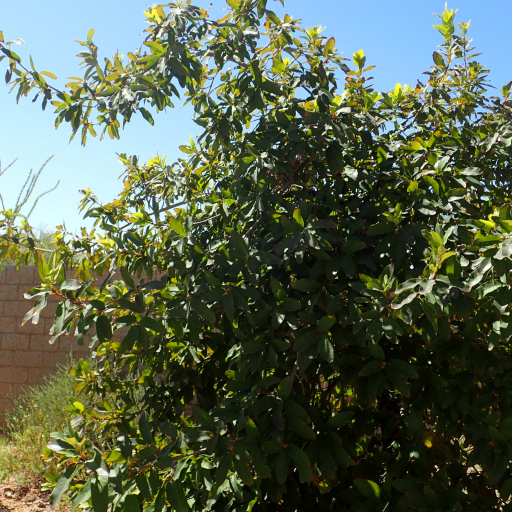
Plant Overview
Known affectionately as the Monterey Oak or Mexican White Oak, this tree is a true "chameleon" of the forest. While most oaks have a signature leaf shape, the Quercus polymorpha takes its name from its ability to produce leaves of many different forms—sometimes even on the same branch! Native to the canyons of Mexico and the Rio Grande Valley, it has become a superstar in modern landscaping due to its rapid growth and rugged resilience.
🔍 How to Identify
- 🍃 Leaf Variability: The hallmark of this species; leaves can range from simple ovals to deeply lobed or toothed shapes, often changing as the tree matures.
- 🌿 Texture & Color: Leaves are thick, leathery, and a deep glossy green, often emerging with a beautiful bronze or reddish tint in the spring.
- 🪵 Bark Texture: As it ages, the bark develops a sophisticated, scaly texture with shallow furrows, colored in shades of soft gray and light brown.
- 🥜 The Acorns: It produces small, barrel-shaped acorns that are usually about half-covered by a "warty" textured cap.
🏡 In Your Garden
- 💧 Drought Champion: Once its root system is established, this oak is incredibly water-wise. It is an excellent choice for xeriscaping or areas prone to dry spells.
- 🌱 Soil Flexibility: It is particularly prized for its ability to handle alkaline (high pH) soils and limestone, conditions that often cause other oak species to struggle with yellowing leaves.
- 🛡️ Disease Resistance: Unlike many of its cousins, the Monterey Oak shows a high level of natural resistance to Oak Wilt, making it a safer long-term investment for your landscape.
- 🍂 Semi-Evergreen Habit: In warmer climates, it keeps its leaves year-round, only dropping the old ones as new buds push out in late winter, providing constant privacy and shade.
⚠️ Safety & Toxicity
- ✅ General Safety: This tree is considered non-toxic to humans and is generally safe to have around children and play areas.
- 🐕 Pet & Livestock Note: Like all oaks, the leaves and acorns contain tannins. While most pets will ignore them, large quantities can cause digestive upset or kidney issues in dogs, horses, or cattle if ingested regularly.
- 🧤 Pruning Care: While not toxic to the skin, the leathery leaves can be slightly scratchy; wearing gloves during seasonal maintenance is recommended.
✨ Fun Fact
The name polymorpha literally translates from Greek to "many forms." Botanists in the past often mistakenly identified a single Monterey Oak as several different species because the leaves on the lower branches looked nothing like the leaves at the top!

Detailed Care Instructions
To grow a Quercus polymorpha plant (commonly known as Mexican white oak or Monterrey oak), you can follow these steps:
- Choose a suitable location: Select a sunny spot in your garden that receives at least 6-8 hours of direct sunlight per day. Ensure the soil is well-draining and has a slightly acidic to neutral pH level.
- Planting: Dig a hole that is twice as wide and as deep as the root ball of the Quercus polymorpha plant. Gently place the plant in the hole, ensuring the top of the root ball is level with or slightly above the ground level. Backfill the hole with soil, gently patting it down to remove any air pockets.
- Watering: Water the plant thoroughly after planting to help settle the soil. Quercus polymorpha prefers regular watering but can tolerate dry conditions once established. Water deeply but infrequently to encourage deep root growth.
- Mulching: Apply a layer of organic mulch around the base of the plant to help conserve soil moisture and suppress weed growth. Leave a gap between the mulch and the trunk to prevent rot.
- Fertilizing: Quercus polymorpha plants are generally low-maintenance and do not require frequent fertilization. However, you can apply a balanced slow-release fertilizer in early spring to promote healthy growth. Follow the package instructions for the recommended dosage.
- Pruning: Prune any dead, damaged, or diseased branches from the plant as needed. Avoid heavy pruning, as Quercus polymorpha has a naturally attractive form.
- Protection: Protect young plants from extreme temperatures and harsh conditions. Use tree guards or wraps during the winter months to shield the trunk from frost or freezing temperatures.
- Pest and disease control: Mexican white oak is relatively resistant to pests and diseases. However, occasional infestations of caterpillars, borers, or leaf-mining insects may occur. Inspect the plant regularly and treat any issues with appropriate insecticides or organic pest control methods, if necessary.
Remember to check your local gardening guidelines or consult a local horticulturist for specific recommendations based on your region and climate.

Place in a bright room that is sun drenched almost all day. Or directly in a south-facing window.

To properly water this specific plant, you should first consider the soil moisture. The soil should not be allowed to completely dry out, but should also not be consistently wet. The plant should be watered deeply and thoroughly, allowing the water to reach the roots of the plant. Avoid getting water on the leaves as this can promote disease and damage to the plant. Direct the water towards the soil around the base of the plant. During the dormant season, the plant should be watered sparingly, only enough to prevent the soil from completely drying out. It is important to monitor the soil moisture regularly and adjust your watering schedule as needed based on the weather and environment.
To fertilize this plant, apply a balanced slow-release fertilizer in the early spring before new growth appears. Use a fertilizer with equal parts nitrogen, phosphorus, and potassium. Apply the fertilizer at the drip line of the tree, approximately 2-3 feet away from the trunk. Water the area thoroughly after fertilizing. Repeat this process every 2-3 years as needed. Avoid over-fertilizing as this can cause damage to the plant.
When planting Quercus Polymorpha, it is important to use a soil that is well-draining and loamy. The soil should be moderately fertile, with a pH level between 6.5 and 7.5. It should also be relatively moist, but not waterlogged. The addition of compost or well-rotted manure can help improve the soil quality and provide necessary nutrients for the plant. It is important to avoid using soil that is highly compacted or nutrient-poor, as this can limit the growth and development of the Quercus Polymorpha plant.
The propagation of this plant can be done through different methods such as seeds, cuttings, and grafting. To propagate through cuttings, it is recommended to take semi-hardwood cuttings during the summer months and root them in a well-draining medium with high humidity levels. It is important to remove any leaves from the lower part of the cutting and make a clean cut on the stem before planting. Providing bottom heat can also help with root development. Alternatively, grafting onto a similar plant species can also promote successful propagation.








