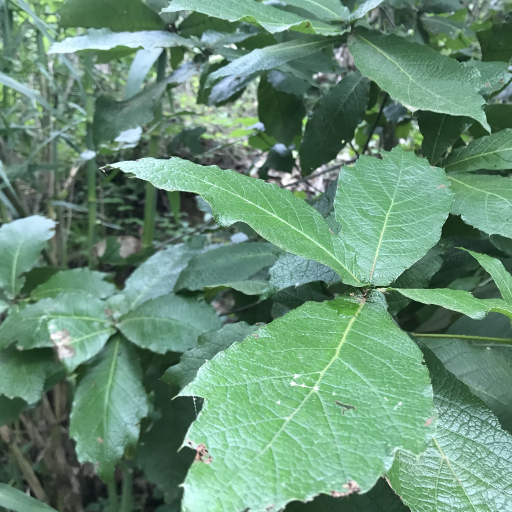
Plant Overview
Often called the Loquat-leaf Oak, Quercus rysophylla is a stunning "evergreen in disguise" hailing from the mountains of Mexico. Unlike the classic lobed leaves we associate with autumn, this tree sports long, leathery foliage that looks more at home in a tropical rainforest than a traditional woodland. It is highly prized by collectors for its dramatic seasonal color changes and its surprisingly robust nature.
🔍 How to Identify
- 🍃 Leaf Texture: The leaves are long, thick, and heavily veined (rugose), giving them a "wrinkled" look that resembles the Loquat fruit tree.
- 🎨 New Growth: One of its most striking features is the new spring foliage, which emerges in brilliant shades of bronze, copper, or deep burgundy before maturing into a glossy dark green.
- 🌳 Form: It typically grows into a medium-to-large tree with a broad, rounded crown and smooth grey bark that develops deep furrows as the tree reaches maturity.
🏡 In Your Garden
- 🌱 Root Development: Like most oaks, this species develops a deep taproot early on. It is best to plant it in its "forever home" while it is young, as it resents being moved once established.
- ☀️ Climate Resilience: While it originates from Mexico, it is surprisingly hardy and can tolerate moderate frost. It thrives in well-drained soil and is particularly resistant to many of the pests that plague more common European or American oak varieties.
⚠️ Safety & Toxicity
- 🟢 General Safety: This tree is considered non-toxic to humans and is generally safe to handle.
- 🐕 Pet Caution: Like all members of the Quercus family, the acorns and young leaves contain tannins. If ingested in large quantities, they can cause digestive upset or kidney issues in dogs, cats, and horses.
✨ Fun Fact
The botanical name rysophylla translates literally from Greek as "wrinkled leaf." This refers to the deeply impressed veins on the upper surface of the leaves, which help the tree shed heavy mountain rainfall efficiently!

Detailed Care Instructions
| Humidity | Dry |
| Lighting | Full Sun |
| Difficulty | Easy |
| Hibernation | Cold Period |
| Hardiness Zones | 7A - 10B |
To grow a Quercus Rysophylla plant, commonly known as the Mexican white oak, you can follow these steps:
- Choose an appropriate location: Quercus Rysophylla prefers full sun to partial shade, so select a spot in your garden that receives at least 6-8 hours of sunlight per day. Ensure the soil is well-draining and slightly acidic to neutral pH.
- Planting from seeds: Collect fresh acorns in the fall, as they have the best chance of germination. Soak the acorns in water for a day to hydrate them and remove any floating ones. Fill a pot or seed tray with a well-draining potting mix and plant the acorns about an inch deep. Keep the soil consistently moist but not waterlogged. Place the pot in a sheltered area or greenhouse, as they need protection from extreme weather and animals. The acorns will take several weeks to germinate.
- Transplanting seedlings: Once the seedlings have developed a few sets of true leaves and reached around 6 inches in height, they can be transplanted into larger pots or directly into the ground. Choose a site with enough space for the mature tree, as they can grow up to 40 feet tall and wide. Ensure proper spacing (at least 20-30 feet apart) between multiple Quercus Rysophylla plants.
- Watering: Quercus Rysophylla plants are moderately drought-tolerant but require regular watering during their establishment period. Water deeply once a week, allowing the soil to dry slightly between watering sessions. Once established, they can tolerate occasional dry spells, but it's recommended to provide supplemental water during prolonged periods of drought.
- Mulching and fertilizing: Apply a layer of organic mulch around the base of the plant to help retain soil moisture, regulate temperature, and suppress weed growth. Avoid piling mulch against the trunk, as it can promote rot. Fertilize in spring with a slow-release, balanced fertilizer formulated for trees to support healthy growth.
- Pruning: Prune Quercus Rysophylla plants during their dormant season, typically in late winter or early spring. Remove any dead or damaged branches and thin out crowded areas to improve air circulation and light penetration. Avoid heavy pruning, as these trees have a naturally attractive shape.
- Pests and diseases: Quercus Rysophylla plants are generally resistant to most pests and diseases. However, monitor the tree for signs of infestation or disease and take appropriate action if necessary. Regularly inspect for aphids, caterpillars, or other common garden pests and treat accordingly.
With proper care and maintenance, your Quercus Rysophylla plant should thrive and grow into a beautiful and majestic tree.

Place in a bright room that is sun drenched almost all day. Or directly in a south-facing window.

To water this plant, you should first check the soil for moisture before watering. Insert your finger into the soil to a depth of about 2 inches and if it feels dry, it's time to water. When you water, give the plant a thorough soaking, allowing the water to penetrate the soil deeply. You should water slowly, ensuring that the water is absorbed into the soil rather than running off. It is essential to avoid overwatering, as this can cause root rot and other problems. It is best to water early in the morning or late evening to avoid water loss due to evaporation during hot weather. In general, the water requirements of this plant will vary depending on the season, weather conditions, and the type of soil it is grown in.
To fertilize this plant, use a slow-release fertilizer high in nitrogen in the early spring. Apply the fertilizer evenly around the drip line of the tree, avoiding direct contact with the trunk. Water the area thoroughly after application. Repeat fertilization in late spring and early summer if necessary, but avoid fertilizing in late summer and fall.
The appropriate soil for the Quercus Rysophylla plant is a well-draining, loamy soil with a slightly acidic to neutral pH level. The soil should be rich in organic matter and be able to retain moisture without becoming waterlogged. It is important that the soil is free from contaminants or pollutants and is not compacted or hard. The Quercus Rysophylla plant is also native to certain regions and climates, therefore it is important to understand the specific soil requirements that align with the geographical location of the plant.
To propagate this plant, you will need to start by taking stem cuttings. Select healthy stems that are at least 6 inches long and have several sets of leaves. Cut the stem at a 45-degree angle just below a set of leaves. Remove any leaves from the bottom third of the cutting.
Next, dip the cut end of the stem into rooting hormone powder. This will help the cutting develop roots. Insert the cutting into a pot filled with a well-draining potting mix. Make sure the pot has drainage holes.
Water the cutting thoroughly and place it in a spot where it will receive bright, indirect light. Keep the soil moist but not waterlogged, and mist the cutting with water daily to keep the humidity high.
In about 4-6 weeks, the cutting should start to develop roots. At this point, you can transplant it into a larger pot or directly into the ground. Just be sure to acclimate the plant to its new environment gradually to prevent shock.








