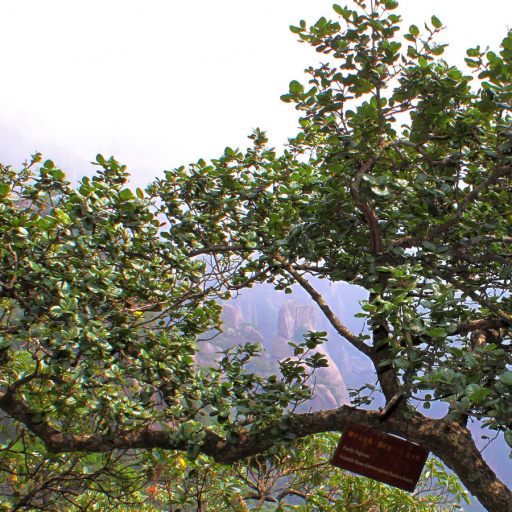
Plant Overview
The Spiny Oak (Quercus spinosa) is a rugged evergreen that looks like a cross between a traditional oak and a prickly holly bush. Originating from the high-altitude, rocky slopes of the Himalayas and East Asia, this "living fossil" is built for endurance. Its thick, armored leaves allow it to withstand harsh winds and cold temperatures that would leave other oaks shivering.
🔍 How to Identify
- 🍃 Prickly Foliage: The most striking feature is its small, leathery, dark green leaves which are lined with sharp, needle-like spines along the margins.
- 🌳 Growth Habit: Unlike the towering giants of the oak family, this species often grows as a dense, multi-stemmed shrub or a small, gnarled tree with greyish-brown bark.
- 🌰 Acorn Armor: It produces small, ovoid acorns that sit nestled in "cups" (cupules) covered in tiny, grayish-fuzz scales.
🏡 In Your Garden
- 🏔️ Mountain Resilience: Because it hails from mountainous regions, it thrives in well-drained, even rocky soil. It’s an excellent choice for rock gardens or as a slow-growing specimen plant that requires very little pruning once established.
- 🛡️ Natural Security: Due to its dense growth and sharp leaves, it makes for a fantastic "security hedge." It provides a beautiful evergreen screen that naturally discourages unwanted visitors (both human and animal) from pushing through.
⚠️ Safety & Toxicity
- 🐕 Pet Safety: Like most members of the Quercus genus, the acorns and leaves contain tannins. If ingested in large quantities, they can cause digestive upset or kidney issues in dogs, cats, and horses.
- 🧤 Physical Hazard: The spines on the leaves are genuinely sharp. Always wear thick gardening gloves when pruning or handling this plant to avoid painful skin punctures.
✨ Fun Fact
The Quercus spinosa is a champion of longevity; some specimens in the wild are estimated to be several centuries old, surviving in thin mountain soil where almost no other tree species can take root!

Detailed Care Instructions

Place in a bright room that is sun drenched almost all day. Or directly in a south-facing window.

Water-loving plants flourish in wet or sloppy soil and near ponds. The extensive root system enables these plants to absorb plenty of water. The surface of the soil should be kept moist at all times. Place your pot in a container filled with water to guarantee that plants get enough water. If the ground becomes dry, it is recommended that you water it well. Plants in smaller pots will need to be watered more frequently. Water the soil in which the plant is standing thoroughly using a watering can.








