Plant Overview
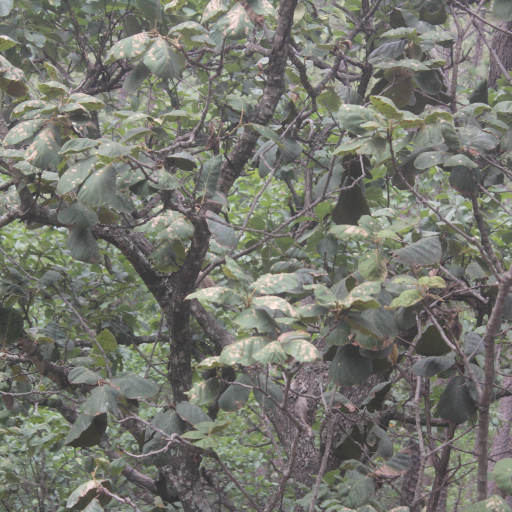
Known as the "Giant-Leaf Oak," the Quercus tarahumara is a legendary species hailing from the rugged, high-altitude canyons of the Sierra Madre Occidental in Mexico. It is named in honor of the indigenous Tarahumara (Rarámuri) people, who are world-renowned for their incredible long-distance running abilities. This oak is a true showstopper, boasting some of the largest and most prehistoric-looking leaves in the entire oak family.
🔍 How to Identify
- 🍃 Massive Foliage: The most striking feature is the leaves, which can grow up to 12 inches long and 10 inches wide. They are stiff, leathery, and feel almost like cardboard.
- 🤚 Rugose Texture: The top of the leaf is deeply "puckered" or wrinkled (rugose), while the underside is covered in a dense, velvety coating of golden-brown hairs.
- 🌰 Stout Acorns: It produces relatively small, rounded acorns that sit snugly within a thick, scaly, bowl-shaped cup.
🏡 In Your Garden
- 🏜️ Drainage is Key: Coming from rocky canyon slopes, this oak absolutely demands well-draining soil. It is highly drought-tolerant once established but will suffer from "wet feet" if planted in heavy clay or boggy areas.
- ⏳ A Legacy Tree: This is a slow-growing species that invests its energy into deep roots and thick wood. It is best treated as a centerpiece specimen that will provide architectural interest for decades, rather than a quick privacy screen.
⚠️ Safety & Toxicity
- 🐾 Mildly Toxic to Pets: Like most oaks, the leaves and acorns contain tannins. If ingested in large quantities by dogs, cats, or horses, it can cause gastrointestinal distress or kidney irritation.
- 🧺 Safe for Touch: The tree is perfectly safe to handle, though the stiff, dry leaves can sometimes have sharp edges that might cause minor scratches if you aren't careful.
✨ Fun Fact
The leaves of the Tarahumara Oak are so exceptionally thick and rigid that they were historically used by local communities as makeshift plates or even as a durable material for lining the roofs of temporary shelters!

Detailed Care Instructions








