Plant Overview
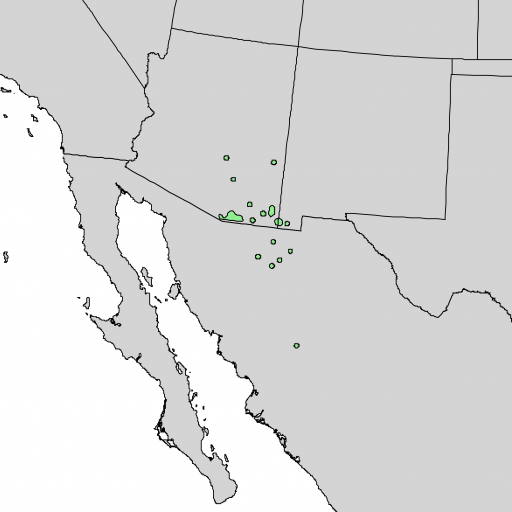
Known as the Toumey Oak, this miniature titan of the Southwestern deserts is one of the smallest and most resilient oak species in North America. Often mistaken for a holly bush due to its spiky, leathery foliage, it thrives in the harsh, rocky terrains of Arizona and Northern Mexico where larger trees struggle to survive. It is a master of water conservation, holding onto its silver-green leaves year-round to provide a constant splash of life in arid landscapes.
🔍 How to Identify
- 🍃 The Leaves: Look for tiny, oval leaves (usually less than an inch long) that feel thick and leathery, often featuring sharp, prickly teeth along the edges.
- 🎨 Color Palette: The foliage has a distinctive dusty, greyish-green hue on top, while the undersides are often paler to help reflect the intense desert heat.
- 🥜 The Acorns: It produces small, slender acorns tucked into shallow, scaly caps that typically mature in just one season.
🏡 In Your Garden
- 🪨 Soil Nuances: This oak is a true "rock star"—it requires exceptionally well-draining, gritty soil and will quickly suffer from root rot if kept in heavy, water-retaining clay.
- ⏳ Growth Habit: It is a slow-growing species with a sensitive taproot; choose its "forever home" carefully, as it hates being transplanted once it has settled into its surroundings.
⚠️ Safety & Toxicity
- 🐾 Pet & Child Safety: While not considered deadly, the acorns and leaves contain tannins, which can cause a bitter taste and mild stomach upset (nausea or vomiting) if ingested in large quantities by curious pets or toddlers.
- 🧤 Physical Hazard: The serrated edges of the leaves are surprisingly sharp; it is best to wear gardening gloves when pruning or clearing leaf litter to avoid minor scratches.
✨ Fun Fact
The Toumey Oak is a vital resident of the "Sky Islands"—isolated mountain ranges rising out of the desert—where it provides essential shelter and food for specialized wildlife like the Montezuma quail and various mountain-dwelling insects.

Detailed Care Instructions
To grow Quercus toumeyi, also known as the Arizona white oak, you can follow these steps:
- Choose a suitable location: Q. toumeyi prefers well-drained soil and full sun to partial shade. Ensure that the area you choose can accommodate the mature size of the tree.
- Prepare the soil: Till the soil to a depth of at least 12 inches and remove any weeds or debris. Amend the soil with compost or well-rotted organic matter to improve drainage and fertility.
- Planting the tree: Dig a hole twice the width of the tree's root ball and slightly shallower than its height. Gently loosen the roots of the tree before placing it in the hole. Backfill the hole with soil, ensuring that the tree is positioned upright. Water the tree thoroughly after planting.
- Watering: Quercus toumeyi requires regular watering during its establishment period. Water deeply once or twice a week, allowing the soil to dry slightly between waterings. After the first year, the tree should be able to tolerate periodic drought conditions.
- Mulching: Apply a layer of organic mulch, such as shredded bark or wood chips, around the base of the tree. Mulching helps conserve moisture, suppress weed growth, and regulate soil temperature.
- Pruning: Prune the tree during its dormant season (winter) to remove any dead or damaged branches. Also, thin out the canopy to improve air circulation and promote a more attractive shape.
- Fertilization: Quercus toumeyi generally does not require regular fertilization. However, if the tree shows signs of nutrient deficiency, you can apply a balanced slow-release fertilizer in early spring.
- Pest and disease control: Monitor the tree regularly for signs of pests, such as aphids or caterpillars, and take appropriate measures to control them. In terms of diseases, Q. toumeyi is relatively resistant, but keep an eye out for oak wilt or powdery mildew.
- Conservation: Q. toumeyi is an endangered species, so it's important to plant it responsibly and in accordance with the guidelines provided by the conservation authorities in your area.
Remember, Quercus toumeyi is a slow-growing tree, so be patient and provide the necessary care to ensure its healthy growth.

Place in a bright room that is sun drenched almost all day. Or directly in a south-facing window.

Quercus Toumeyi is a type of plant that requires a consistent and regular watering schedule. It is recommended to water this plant deeply at least once a week, especially during hot and dry periods. When watering, it is important to ensure that the water is penetrating the soil around the root zone rather than just wetting the surface.
To avoid waterlogging the plant, it is important to check the soil moisture level before watering. This can be done by inserting a finger or a moisture meter into the soil. If the soil feels dry at a depth of 2-3 inches, it's time to water. If the soil is still moist, it's best to wait a few more days before watering again.
When watering, it is best to use a soaker hose or a drip irrigation system that delivers water directly to the base of the plant. This helps to minimize water waste and reduces the risk of overwatering.
It is also important to note that Quercus Toumeyi prefers well-draining soil, so be sure to avoid overwatering or allowing standing water around the root zone. Additionally, it's advisable to avoid watering during the evening or late afternoon. This is because wet foliage can increase the risk of fungal diseases and other diseases that can harm the plant.
To fertilize this plant, apply a balanced slow-release fertilizer with equal parts nitrogen, phosphorus, and potassium once a year in early spring before new growth appears. Avoid applying the fertilizer near the trunk of the tree and instead sprinkle it over the root zone of the plant. Water the plant deeply after fertilization to promote absorption of the nutrients.
The Quercus Toumeyi plant prefers to grow in well-draining soil that is rich in organic matter. The ideal soil pH should be 6.0 to 7.5. Sandy loam or loamy sand soils are suitable for this plant. It is best to avoid heavy clay soils as they may cause waterlogging and root rot. The soil should be moderately moist and should not be allowed to dry out completely. It is recommended to add a layer of mulch on top of the soil to help retain moisture and suppress weeds. Additionally, fertilizers can be applied during the growing season to provide essential nutrients to the plant.
To propagate this plant, start by collecting acorns from mature trees in the fall. Soak the acorns in water for 24 hours, then remove any that float as they are unlikely to germinate. Next, plant the acorns in a mixture of sand and peat moss, keeping them moist and in a warm, sunny location. After about 6-8 weeks, the acorns should start to sprout. Once the sprouts have developed a few leaves, they can be transplanted into individual pots or containers with well-draining soil. Keep the seedlings in a bright location and water regularly, but avoid overwatering as this can cause root rot. After a few months of growth, the seedlings can be transplanted into larger containers or planted outdoors in a suitable location.








