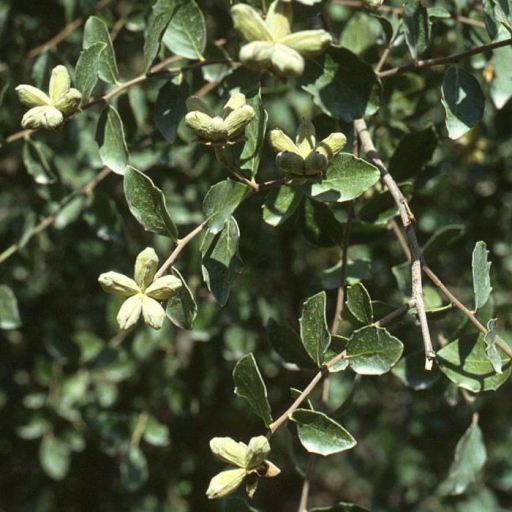
Plant Overview
Known as the "Soapbark Tree" or "Quillay," Quillaja saponaria is a resilient Chilean native that literally turns water into suds. For centuries, the indigenous Mapuche people have used its inner bark as a natural shampoo and soap, but today, this evergreen beauty has found its way into everything from gourmet root beer to life-saving modern vaccines.
🔍 How to Identify
- 🍃 Leathery Foliage: The leaves are oval-shaped, glossy green, and have a stiff, leathery texture that helps the tree retain moisture in dry climates.
- 🌸 Starry Blooms: In late spring and summer, the tree produces clusters of beautiful, star-shaped white flowers with five petals and a distinct yellow or purple center.
- 🪵 Fissured Bark: The thick, dark-gray outer bark hides the valuable inner layer, which contains high concentrations of "saponins"—natural chemical compounds that foam when agitated in water.
🏡 In Your Garden
- ☀️ Drought Resilience: Once established, the Soapbark tree is a powerhouse in Mediterranean-style gardens. It can survive long periods of heat and drought, making it an excellent choice for water-wise landscaping.
- 🪴 Drainage is Key: While it isn't picky about soil nutrients, it absolutely hates "wet feet." Plant it in well-draining soil or on a slope to ensure the roots don't rot during rainy seasons.
- 🌳 Structural Privacy: Because it is evergreen and grows with a dense, rounded crown, it serves as a magnificent year-round privacy screen or windbreak.
⚠️ Safety & Toxicity
- 🧼 Safe for Skin: The bark extract is generally safe and widely used in cosmetics and natural hair care products.
- 🤢 Ingestion Warning: While saponins are used as food additives in tiny amounts (like the foam on root beer), eating the bark or leaves in large quantities can cause stomach upset, nausea, or irritation in both humans and pets.
- 👁️ Eye Irritant: Just like regular soap, getting raw bark extract or sap in the eyes can cause a stinging sensation and redness.
✨ Fun Fact
The Soapbark tree is a silent hero of global health. A specific extract from its bark, known as QS-21, is used as an "adjuvant" in several major vaccines (including those for Shingles and COVID-19) to help the human immune system respond more effectively to the medicine!

Detailed Care Instructions
To grow a Quillaja Saponaria plant, also known as soap bark tree, you can follow these steps:
- Climate and location: Check if the climate in your area is suitable for growing this plant. It thrives in Mediterranean or subtropical regions with mild winters and warm summers. Choose a sunny spot for planting, or partially shaded if the climate is hot.
- Soil preparation: Quillaja Saponaria prefers well-draining soil. If your soil is heavy or poorly draining, amend it with organic matter such as compost or well-rotted manure to improve drainage.
- Propagation: This plant can be propagated from seeds or cuttings. Seeds require stratification, which means they need to be soaked in water for 24-48 hours before planting. Cuttings can be taken from semi-hardwood in late summer or early autumn.
- Planting: If you are starting with seeds, plant them about 1/4 inch deep in the prepared soil. Space the seeds or cuttings about 2-3 feet apart. If you are using cuttings, dip the cut end in a rooting hormone powder before planting.
- Watering: Keep the soil moist but not waterlogged during the establishment period. Once the plant is established, it can tolerate some drought, but regular watering during dry periods is still recommended.
- Mulching: Apply a layer of organic mulch around the plant to conserve moisture and suppress weeds. This will also improve the soil quality over time.
- Pruning: Prune the Quillaja Saponaria plant in late winter or early spring to remove dead or diseased branches. You can also lightly shape the tree if desired.
- Fertilization: Apply a balanced slow-release fertilizer in spring or early summer to promote healthy growth. Follow the manufacturer's instructions for application rates.
- Protection from frost: If you live in an area where frost occurs, provide protection to the young trees by covering them with frost cloths or creating a temporary shelter.
- Pest and disease control: Soap bark trees are generally resilient to pests and diseases. However, keep an eye out for common garden pests like aphids, scale insects, or spider mites. Use appropriate organic pest control methods if necessary.
Remember that growing a Quillaja Saponaria plant requires patience, as it can take several years for the tree to reach maturity and start producing beautiful white flowers.

Place in a bright room that is sun drenched almost all day. Or directly in a south-facing window.

To properly water this plant, it is important to understand its water requirements and the environment it is growing in. Quillaja Saponaria plants prefer well-draining soil and do not tolerate standing water, so ensure the soil is not waterlogged. Watering frequency and amount will depend on the size of the plant and the weather conditions. During hot and dry periods, the plant may require more frequent watering, while during cooler and wetter periods, less watering may be necessary. It is important to allow the soil to dry out slightly between watering, as overwatering can cause root rot. When watering, ensure that the water goes directly to the soil rather than onto the leaves as the plant does not like wet foliage. Watering in the early morning or evening is preferable as it minimizes water loss due to evaporation.
To fertilize the plant, mix a balanced fertilizer (10-10-10) with water according to the package instructions. Apply the fertilizer mixture to the soil around the base of the plant once every six weeks during the growing season. Avoid getting the fertilizer on the leaves or stems of the plant as this may cause burning. Water the plant immediately after fertilizing to help distribute the nutrients.
The ideal soil to use with the plant requires good drainage and good aeration. Additionally, the soil must be able to retain adequate moisture without becoming too soggy or waterlogged. A pH range of 6.0 to 7.0 is recommended, with the soil being slightly acidic to slightly alkaline. The soil should be rich in organic matter and nutrients, ensuring the plant receives the necessary nutrients for healthy growth and development. Any soil used should have a sandy loam texture, which allows for optimal water drainage and nutrient retention, ensuring the plant roots remain healthy and strong. Finally, it is essential to avoid using heavy, clay-rich soils, which can cause poor drainage, waterlogging, and root rot.
To propagate this plant, collect mature seeds from the parent plant when they have become fully ripe and begin to turn brown. Clean the seeds by removing any fleshy material and then soak them in water for a few hours to soften the seed coat.
Once they have soaked, sow the seeds in a well-draining potting mix and cover with a light layer of soil. Water the soil thoroughly and keep it moist until the seeds germinate in about two weeks.
When the seedlings have grown to about two inches tall, transplant them to individual pots with a mixture of potting soil and sand.
Keep the new plants in a bright location with indirect sunlight and continue to keep the soil moist but not waterlogged. After about six months, the plants should be mature enough to be transplanted into the ground or to a larger pot if desired.








