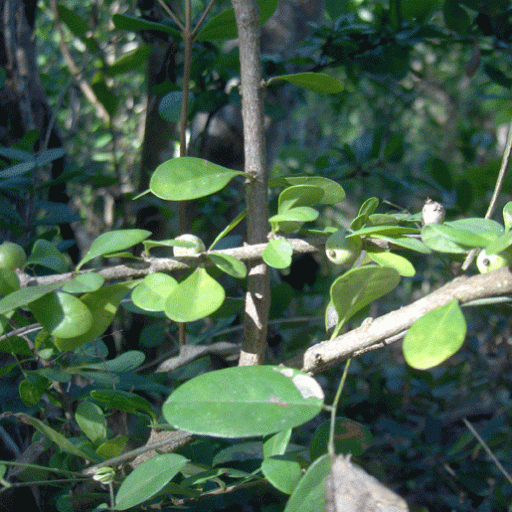
Plant Overview
Known as the White Indigoberry or "Tintillo," this hardy evergreen is a master of disguise in the coastal landscapes of Florida and the Caribbean. It is a plant of fascinating contrasts—delicate, jasmine-scented flowers guarded by a fortress of sharp, architectural thorns. Historically, it was a prized resource for its unique berries that hide a deep, ink-like secret within their snowy husks.
🔍 How to Identify
- 🍃 Leaf Structure: Small, spoon-shaped, glossy green leaves that grow in tight clusters. Their "boxy" arrangement makes the shrub look naturally manicured even without pruning.
- ⚔️ The Spines: Stiff, needle-sharp thorns emerge in pairs along the gray branches. These thorns are often "decussate," meaning each pair grows at a right angle to the one below it.
- ⚪ The Berries: Round, porcelain-white fruits about half an inch wide. If you crush one, the interior reveals a surprising, messy, indigo-colored pulp filled with small seeds.
🏡 In Your Garden
- 🌊 Coastal Specialist: This is one of the best choices for "frontline" salt tolerance. It shrugs off salt spray, high winds, and sandy soil, making it an essential structural plant for seaside homes.
- 🦋 Pollinator Haven: While humans love the sweet, gardenia-like fragrance of the white flowers, the plant is a vital host for the Tantalus Sphinx moth and provides nectar for various tropical butterflies.
- 🧱 Natural Security: Because of its slow growth habit and formidable thorns, it creates an excellent, "living" security hedge that requires very little water once established.
⚠️ Safety & Toxicity
- 🩹 Physical Hazard: While the plant is generally non-toxic to touch or ingest, the thorns are its primary defense. They can easily puncture skin or bicycle tires, so keep it away from narrow walkways or play areas.
- 🐾 Pet & Child Safety: There are no recorded toxicities for cats, dogs, or humans. However, the dark purple pulp inside the berries will leave a permanent "indigo" stain on carpets, clothing, and pet fur.
✨ Fun Fact
Early settlers and indigenous people in the West Indies used the crushed berries as a permanent ink. In fact, the "indigo" pulp was so effective that it was often used to mark laundry or write letters that wouldn't fade in the tropical sun!

Detailed Care Instructions
To grow Randia Aculeata plant, follow these steps:
- Obtain seeds or young plants: You can purchase Randia Aculeata seeds or young plants from a local nursery or online. Seeds can take longer to grow, so it might be easier to start with young plants.
- Choose the right location: Randia Aculeata prefers warm climates and can be grown outdoors in regions with temperatures above 55°F (13°C). Provide a location with full to partial sunlight and protection from harsh winds.
- Prepare the soil: Randia Aculeata prefers well-draining soil. Prepare the soil by loosening it with a garden fork or tiller. You can also mix in organic matter, such as compost or aged manure, to improve soil fertility.
- Plant the seeds or young plants: If you are planting seeds, sow them in small pots filled with seed-starting mix. Cover the seeds lightly with soil and keep them consistently moist until they germinate. If you have young plants, dig a hole in the prepared soil that is slightly larger than the root ball and place the plant in the hole. Gently backfill the hole with soil and tamp it down around the base of the plant.
- Water regularly: Randia Aculeata plants prefer moist soil but avoid overwatering, as it can lead to root rot. Water the plants deeply whenever the top inch of soil feels dry. Use a watering can or garden hose with a gentle spray to avoid damaging the plant.
- Mulch and weed control: Apply a layer of organic mulch, such as wood chips or straw, around the base of the plant to help retain moisture and suppress weed growth. Keep the area around the plant free of weeds, as they can compete for nutrients and water.
- Fertilize: Use a balanced, slow-release fertilizer once every few months during the growing season. Follow the package instructions for application rates.
- Prune as needed: Randia Aculeata can be pruned to maintain a desired shape or remove dead or damaged branches. Pruning should be done during the dormant season or after flowering.
- Protect from frost: If you live in a region with frost, protect Randia Aculeata plants during cold weather by covering them with a frost cloth or bringing them indoors.
By following these steps, you can successfully grow Randia Aculeata plants in your garden.

Place in a bright room that is sun drenched almost all day. Or directly in a south-facing window.

To water this particular plant, it is important to let the soil dry out slightly before watering again. Overwatering can cause root rot and harm the plant. The optimal way to water it is to give it a deep watering session every 7-10 days, making sure that the water penetrates deep into the soil. It is important to not let the plant sit in water as this can also lead to root rot. Additionally, checking the moisture level of the soil before watering can be helpful in determining when it needs watering.
- Use a balanced fertilizer with equal amounts of nitrogen, phosphorus, and potassium.
- Apply the fertilizer every two weeks during the growing season (spring and summer).
- Dilute the fertilizer according to the instructions on the package.
- Water the plant thoroughly before applying the fertilizer.
- Avoid fertilizing during the dormant season (fall and winter).
- Do not over-fertilize as it can lead to burnt leaves and other damage.
- Monitor the plant for signs of nutrient deficiency or excess, such as yellowing leaves or stunted growth.
- Adjust the fertilizer application accordingly based on the plant's needs.
When selecting soil for the Randia aculeata plant, it is important to consider its natural habitat and growing conditions. This plant is known to thrive in well-draining soils that are slightly acidic. Therefore, a soil mix that is composed of a blend of peat moss, vermiculite, and sand is often recommended. This type of soil allows for optimal drainage and helps prevent the roots from becoming waterlogged, which can cause rotting. The soil should also be rich in organic matter, as this plant benefits from regular fertilization. A balanced, slow-release fertilizer can be added to the soil mix to provide the necessary nutrients. It is important to avoid using heavy soil mixes or ones that are too compacted, as this can impede root growth and ultimately harm the plant.
Randia aculeata is a plant species that can be easily propagated by using stem cuttings. The stem cuttings of the plant should be taken during early spring or late winter when the plant is actively growing. The stem cuttings should be approximately 3 to 6 inches long with at least two to three leaves attached to it. The lower leaves should be removed, and the stem should be cut at a 45-degree angle. The cuttings should be dipped in rooting hormone powder and planted in a well-draining potting mix. The mix should be kept moist but not overly wet. Cover the pot with a plastic bag or a clear plastic container to increase humidity and reduce transpiration. Place the pot in a warm, bright area, but not in direct sunlight. After a few weeks, new growth should emerge from the cutting indicating that it has rooted successfully. Once the plant has established sufficient root growth, it can be transplanted into a larger pot or garden bed.








