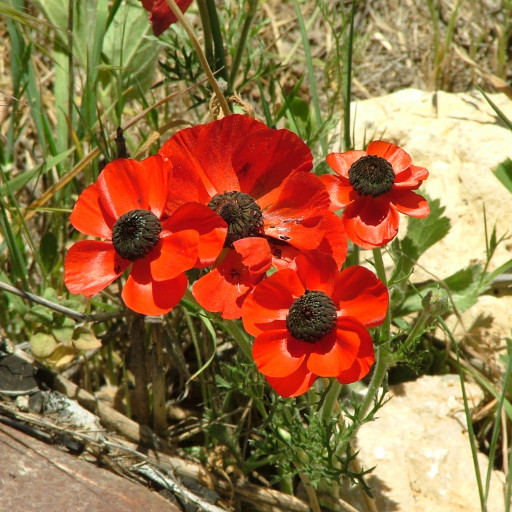
Plant Overview
Often called the "Persian Buttercup" or the "Rose of the Spring," Ranunculus asiaticus is famous for its impossibly thin, crepe-paper petals that swirl into dense, cabbage-like blooms. These Mediterranean natives have long been symbols of radiant charm and attraction, often appearing as the "showstoppers" in high-end floral bouquets. Despite their delicate appearance, they are rugged spring survivors that have been cultivated for centuries.
🔍 How to Identify
- 🌸 Petal Texture: Layers upon layers of paper-thin, ruffled petals that create a tight rosette shape, closely resembling a cross between a rose and a peony.
- 🌿 Foliage: The leaves are light green, fern-like, or parsley-shaped, forming a low-growing mound from which the tall, leafless flower stalks emerge.
- 🎨 Color Palette: They boast a massive range of saturated colors, including vivid oranges, deep burgundies, sunny yellows, and soft pastels, usually with a dark or green center.
🏡 In Your Garden
- 🦶 The "Wet Feet" Rule: These plants grow from unique, claw-like tubers. They are highly susceptible to crown rot, meaning they require exceptionally well-draining soil. They enjoy a drink but will fail quickly if left in standing water.
- ❄️ Cool Weather Lovers: Unlike many summer bloomers, Ranunculus thrives in the crisp, bright air of early spring. They prefer mild temperatures and will naturally go dormant and turn yellow once the summer heat exceeds 80°F (27°C).
- ✂️ The More You Cut: They are legendary as cut flowers. Regularly snipping the blooms for vases actually encourages the plant to produce even more flowers throughout its growing season.
⚠️ Safety & Toxicity
- 🚫 Toxic Status: All members of the Ranunculus family are toxic if ingested. They contain a bitter oil called protoanemonin that acts as a natural defense mechanism.
- 🐾 Pets & Kids: Ingestion can cause mouth blisters, drooling, and digestive upset in cats, dogs, and horses. It is best kept in garden beds or high containers out of reach of curious nibblers.
- 🧤 Skin Irritation: The sap can cause mild contact dermatitis (the "buttercup itch") in sensitive individuals, so wearing gloves while pruning is a smart precaution.
✨ Fun Fact
- 🐸 The Little Frog: The name Ranunculus is a combination of the Latin words rana (frog) and unculus (little). It earned the nickname "Little Frog" because, in their native wild habitats, these plants are often found growing near streams and moist areas where small frogs congregate!

Detailed Care Instructions
| Color | White, Pink, Yellow, Purple, And Red |
| Soil Ph | 6.0 To 6.5 |
| Humidity | Normal |
| Lighting | Full Sun |
| Soil Type | Loamy |
| Bloom Time | Spring And Summer |
| Difficulty | Medium |
| Plant Type | Perennial Flower |
| Hibernation | Cold Period |
| Mature Size | 10 To 24 Inches Tall |
| Native Area | Mediterranean |
| Temperature | 15°C - 30°C |
| Sun Exposure | Full Sun |
| Hardiness Zones | 8 Through 11 Usda |
To grow Ranunculus Asiaticus, also known as Persian buttercup or ranunculus, you can follow these steps:
- Choose a suitable planting location: Ranunculus Asiaticus prefers full sun but can tolerate partial shade. Ensure the soil is well-draining and loose, as the plant does not tolerate waterlogged conditions.
- Prepare the soil: Amend the soil with organic matter like compost to improve its fertility and drainage. Remove any weeds or debris from the planting area.
- Planting the bulbs: Plant the ranunculus bulbs in the early fall, about 2-3 inches deep and 4-6 inches apart, with the claws facing down. If you live in a region with mild winters, you can plant them in late winter or early spring instead. Water the bulbs after planting.
- Watering: Keep the soil consistently moist but not soggy while the plant is actively growing. Water deeply once a week or adjust the frequency depending on the weather conditions and moisture needs of the plant.
- Fertilizing: Apply a balanced slow-release fertilizer or a liquid fertilizer once a month during the growing season to promote healthy growth and abundant blooms.
- Mulching: Apply a layer of organic mulch around the plants to help retain moisture, suppress weed growth, and regulate soil temperature.
- Protection from extreme weather: If you live in an area with very hot summers or very cold winters, you may need to provide some protection. Consider using shade cloth or temporary shade structures during hot periods and covering the plants with mulch or straw during freezing temperatures.
- Deadheading: Remove spent flowers regularly to encourage continuous blooming and prevent energy wastage on seed production.
- Overwintering: In regions with cold winters, protect the bulbs by applying a layer of mulch after the first frost. This will insulate the bulbs and prevent them from freezing. Remove the mulch in the spring when the plants start to grow again.
- Propagation: Ranunculus Asiaticus can be propagated by dividing the bulbs during the dormant season (late summer or early fall) or by planting offshoots or tuberous roots produced by the parent plant.
By following these steps, you should be able to grow healthy and beautiful Ranunculus Asiaticus plants. Remember to adjust the care according to your specific environmental conditions and needs of the plant.

Place in a bright room that is sun drenched almost all day. Or directly in a south-facing window.

To keep the plant healthy and thriving, it's important to ensure that the soil is consistently moist. Water the plant deeply, allowing the water to penetrate the soil and reach the roots. Avoid over-watering, as this can lead to root rot. Check the moisture level of the soil regularly by sticking your finger into the soil up to the second knuckle - if it feels dry, it's time to water. Water early in the day to allow any excess moisture to evaporate before nightfall, which can help prevent fungal diseases. During hot weather, you may need to water more frequently to prevent the plant from drying out. Be sure to water directly at the base of the plant to avoid wetting the foliage, as this can also contribute to disease. Overall, consistent watering practices will help your plant thrive and produce beautiful blooms.
To fertilize this plant, apply a balanced, slow-release fertilizer that is rich in phosphorous and potassium. Use a granular or liquid fertilizer every two to three weeks during the growing season. Make sure to water the plant well before and after application. Avoid using too much nitrogen as this can encourage excessive foliage growth at the expense of flower production. Always follow the instructions on the fertilizer packaging and do not over-fertilize.
The ideal soil for the Ranunculus Asiaticus plant is a well-draining soil that is rich in organic matter and nutrients. It should contain a mixture of sand, loam, and clay in equal proportions with a pH range of 6.0 to 7.0. This type of soil will allow the plant's roots to penetrate easily, absorb nutrients, and give room for proper drainage. The addition of organic matter, such as compost or aged manure, can provide the necessary nutrients and also promote soil structure and aeration. It is recommended to avoid using heavy soils that may cause waterlogging and hinder plant growth. It is equally important to ensure adequate soil moisture levels throughout the growing season and to deep-water the plant when needed.
To propagate the plant, select a healthy and mature plant to use as the parent plant. Carefully dig up the plant and gently separate the plant's corms (underground bulb-like structures). Make sure each corm has a healthy root system attached.
Prepare soil by adding compost and sand to ensure proper drainage. Place individual corms in the soil at a depth of 2-3 inches and water thoroughly. Keep the soil consistently moist but not waterlogged.
The plant requires full sun and temperatures above freezing to grow. The plant will eventually grow into a beautiful, colorful flower.
Common pests of the persian buttercup include Spider mites, aphids, thrips, whiteflies. Make a habit of checking your persian buttercup frequently for pests so that any infestations can be caught and managed early.








