Plant Overview
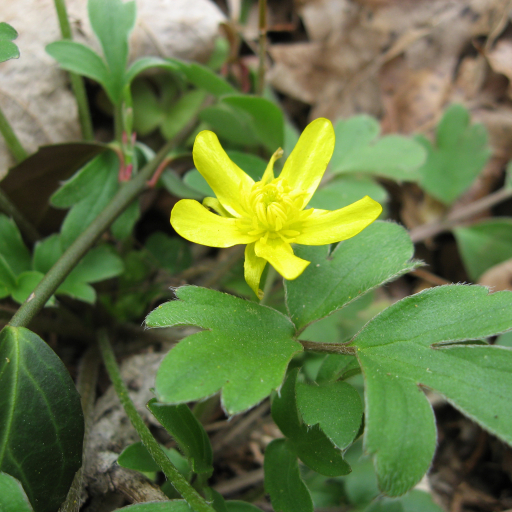
Often called the Early Buttercup, Ranunculus fascicularis is one of the first splashes of gold to emerge from the winter-weary ground. Unlike its taller, more aggressive cousins, this diminutive wildflower hugs the earth, signaling the true arrival of spring in prairies and open woodlands. Its name "fascicularis" refers to its unique bundle of thickened, tuberous roots that help it survive in lean, rocky soils.
🔍 How to Identify
- 🌼 The Bloom: Small, sunny yellow flowers featuring 5 to 7 waxy petals that have a distinct "lacquered" sheen, reflecting UV light to attract early pollinators.
- 🌿 The Foliage: Deeply lobed, olive-green leaves that are often covered in fine, silky white hairs, giving the plant a slightly frosted or silvery appearance.
- 🌱 Low Profile: A very compact grower, typically staying under 10 inches tall, often hiding amongst grasses or tucked into rocky crevices.
🏡 In Your Garden
- 🪨 Survivor Spirit: This buttercup thrives in "difficult" spots, such as thin soil over limestone or dry prairie patches. It is an excellent choice for rock gardens where other spring ephemerals might find the drainage too sharp.
- 💤 Summer Dormancy: It is a true spring specialist. Once the heat of summer arrives, the plant will often go completely dormant and disappear underground, so be careful not to dig up its resting spot later in the season!
⚠️ Safety & Toxicity
- 🚫 Toxic Status: High. Like all members of the Ranunculus family, it contains protoanemonin, a bitter chemical defense.
- 🐾 Pets & Humans: If brushed against or crushed, the sap can cause skin blistering or "buttercup dermatitis." If eaten, it causes intense burning of the mouth and digestive distress. Keep it away from curious pets and remind children not to pick the flowers with bare hands.
✨ Fun Fact
The "waxy" look of the petals isn't just for show; buttercups have a unique layer of starch cells just below the surface that acts like a mirror, reflecting light back through the yellow pigment. This creates a directional flash of light that helps insects find the flower even on cloudy spring days!

Detailed Care Instructions
To grow Ranunculus Fascicularis plant, follow these steps:
- Choose a suitable location: Ranunculus Fascicularis plants thrive in well-draining soil and prefer full sun or partial shade. Ensure that the location you choose receives at least 4-6 hours of direct sunlight each day.
- Prepare the soil: Prepare the soil by removing any weeds or debris. Loosen the soil using a garden fork or tiller to a depth of about 8-10 inches. Incorporate organic matter, such as compost or well-rotted manure, to improve the soil's fertility and drainage.
- Plant the bulbs: Plant the Ranunculus Fascicularis bulbs in the prepared soil. The bulbs should be placed about 1-2 inches deep with the pointed ends facing upwards. Space them around 3-4 inches apart to allow for growth.
- Water regularly: Keep the soil consistently moist but not waterlogged. Water the plants regularly, especially during dry spells or when the soil feels dry to the touch. Avoid overwatering, as excessive moisture can lead to bulb rot.
- Mulch the area: Apply a layer of organic mulch, such as compost or wood chips, around the planted bulbs. This will help retain moisture, suppress weed growth, and insulate the bulbs during extreme temperatures.
- Fertilize as needed: Ranunculus Fascicularis plants generally do not require heavy fertilization. However, if your soil is lacking nutrients, you can apply a balanced, slow-release fertilizer in early spring or use a diluted liquid fertilizer every 4-6 weeks during the growing season.
- Prune and deadhead: Remove any faded or wilted flowers to encourage more blooms and prevent seed formation. Pruning also helps divert energy towards bulb growth, resulting in stronger plants.
- Protect from extreme temperatures: If you live in a region with harsh winters, provide protection to the bulbs by covering the planting area with a layer of mulch or straw. This will help insulate the bulbs from freezing temperatures and ensure their survival.
- Maintain soil moisture during dormancy: After the Ranunculus Fascicularis plants have finished flowering, they will enter a dormant period. During this time, reduce watering but ensure that the soil doesn't completely dry out. Adequate moisture will help the bulbs prepare for next year's growing season.
- Divide and propagate: Every 2-3 years, you can divide the Ranunculus Fascicularis bulbs to increase your plant population. Lift the clumps, separate the individual bulbs, and replant them in well-prepared soil.
By following these steps, you can successfully grow and enjoy the beautiful blooms of Ranunculus Fascicularis plants in your garden.

Place in a bright room that is sun drenched almost all day. Or directly in a south-facing window.

To water this plant, it is important to observe the soil moisture level and only water when the soil has become slightly dry. Overwatering can lead to root rot and other issues. When watering, it is important to water the soil evenly around the plant, avoiding getting water on the leaves or flowers. A slow, deep watering is ideal to allow the roots to fully absorb the water. Consider using a watering can or a drip irrigation system to control the amount of water and avoid over-saturating the soil. Additionally, it is important to make sure the plant has proper drainage to prevent standing water which can harm the roots.
To fertilize this plant, begin by choosing a balanced, all-purpose fertilizer with equal amounts of nitrogen, phosphorus, and potassium. Ensure that the soil is moist before applying the fertilizer. Apply the fertilizer around the base of the plant, keeping it away from the stem. Use a granular fertilizer and follow the recommended dosage on the package. Water the plant thoroughly after fertilizing to help the nutrients get absorbed into the soil. Do not fertilize the plant too frequently as over-fertilizing can cause root burn and damage the plant.
The ideal soil for Ranunculus Fascicularis plant is a well-draining loamy soil that is slightly acidic with a pH level between 5.5 and 7.0. It should be rich in nutrients and organic matter, as this plant requires ample nutrition to grow and bloom. The soil should have a fluffy texture to allow air and water to penetrate easily, which will help maintain the ideal moisture balance for the plant. It is important to avoid heavy or compacted soil, as this can lead to poor drainage and root rot. In addition, the soil should be free of weeds and pathogens that can harm the plant. Amending the soil with compost or other organic matter can help improve its quality and fertility.
Ranunculus Fascicularis can be propagated through division or from seed. To propagate through division, an established plant should be dug up and carefully divided into smaller sections ensuring that each section has a healthy root system. These divisions can then be replanted in their own separate containers or locations in the ground.
To propagate from seed, the seeds should be collected from the mature flowers before they fall off the plant. These seeds can then be stored in a cool, dry place until they are ready to be planted in the appropriate season. When planting the seeds, they should be sown in well-draining soil and kept moist until they germinate.
Once the new plants have grown, they should be cared for in the same way as established Ranunculus Fascicularis plants. This includes providing them with plenty of sun, water, and nutrients to promote healthy growth.








