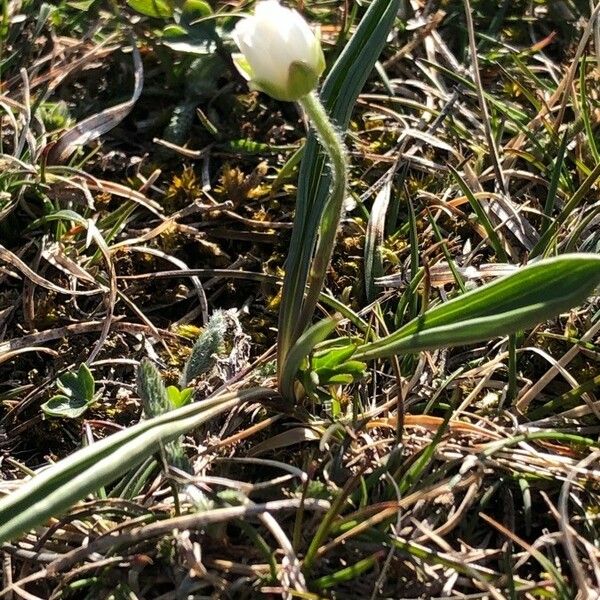
Plant Overview
Known as the "Snow-patch Buttercup" of the high mountains, Ranunculus kuepferi is a resilient beauty that thrives where most plants would freeze. Unlike the common golden buttercups found in backyard lawns, this alpine specialist sports elegant, icy-white petals that reflect the bright sun of the European Alps. It is a true survivor of the heights, often found emerging just as the heavy winter snows begin to melt.
🔍 How to Identify
- ❄️ The Flowers: Features five delicate, pearly-white petals surrounding a bright yellow center. The petals often have a satiny, almost metallic sheen to reflect UV light.
- 🌿 The Foliage: Unlike the deeply lobed leaves of other buttercups, these leaves are narrow, lance-shaped, and often have a bluish-green or silvery tint (glaucous) to protect against intense mountain sun.
- 📏 The Stature: A compact high-climber, usually staying under 10–20 cm tall to avoid the harsh, drying winds of the alpine tundra.
🏡 In Your Garden
- 🏔️ Alpine Specialist: Because it originates from the Alps and Jura mountains, this plant is perfect for rock gardens. It prefers "cool feet"—meaning soil that stays moist and chilled—even if its head is in the sun.
- 🌱 The Wake-up Call: In a garden setting, it is one of the earliest signs of spring. It has a specialized internal clock that tells it to bloom the moment the soil temperature rises above freezing, making it a wonderful companion for early bulbs.
⚠️ Safety & Toxicity
- 🚫 Status: Toxic if ingested; skin irritant.
- 🐾 Details: Like all members of the Buttercup family, it contains protoanemonin. If leaves are crushed or chewed, they can cause blistering in the mouth or skin rashes. Keep it away from curious pets and ensure children don't include them in "mud pies" or bouquets.
✨ Fun Fact
Ranunculus kuepferi is a master of "cloning" itself! In higher, harsher altitudes, the plant often gives up on traditional pollination and produces seeds asexually (a process called apomixis). This allows it to colonize new territory even when there are no bees around to help!

Detailed Care Instructions

Place in a bright room that is sun drenched almost all day. Or directly in a south-facing window.

To water this plant, you should make sure to provide it with enough moisture without overwatering. One way to do this is to wait until the top inch of soil is dry before watering. When you do water, be sure to water thoroughly and evenly, making sure that the water reaches the roots. Avoid getting water on the foliage as this can encourage disease. Additionally, provide good drainage for the soil to prevent waterlogged conditions which can also lead to disease.
Ranunculus Kuepferi grows best in well-drained soil that is rich in organic matter and has a slightly acidic to neutral pH. Ideally, the soil should be moist but not overly soggy. It is important to avoid heavy or compacted soil as this can lead to poor growth and development of the plant's root system. Additionally, adding a slow-release fertilizer to the soil can help provide the necessary nutrients for healthy growth.








