Plant Overview
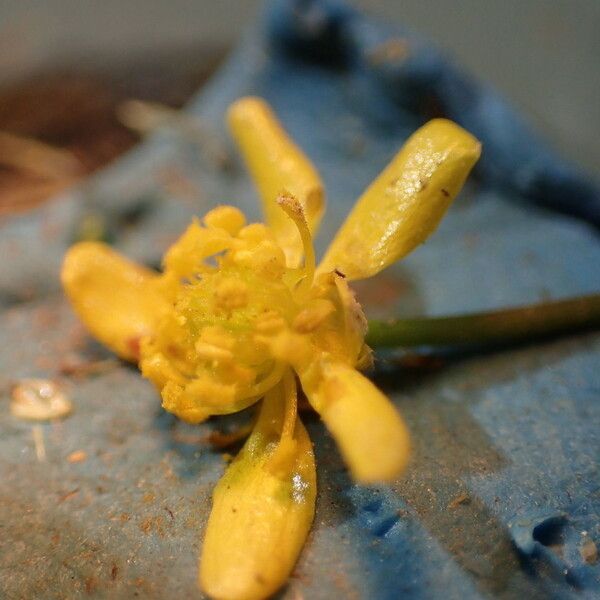
Often called the Mississippi Buttercup, this moisture-loving wildflower is a master of the marshland. While its cousins might prefer dry meadows, Ranunculus laxicaulis thrives where the ground is soggy, muddy, and thick with water. It brings a cheerful splash of waxy yellow sunshine to swampy landscapes where few other delicate flowers dare to grow.
🔍 How to Identify
- 🌼 The Flowers: Small, bright yellow blooms with five to eight shiny, waxy petals. They look almost polished, reflecting sunlight to attract early pollinators.
- 🍃 The Leaves: Unlike many common buttercups that have deeply lobed "crowfoot" leaves, this species features long, narrow, and lance-shaped leaves that clasp the stem.
- 🌱 The Stems: Its specific name, laxicaulis, literally means "loose-stemmed." The stems are weak and often lean or sprawl across the mud, sometimes rooting at the joints to create new clumps.
🏡 In Your Garden
- 💧 Wet Feet Required: This isn't your average garden plant; it is a true "obligate wetland" species. It is perfect for the edges of a backyard pond or a dedicated rain garden where the soil stays consistently saturated.
- ☀️ Light & Space: While it loves the sun, it appreciates a bit of dappled shade during the hottest part of the afternoon. Be mindful that in the right conditions, it can spread quickly via its rooting stems, creating a dense golden carpet over muddy patches.
⚠️ Safety & Toxicity
- 🚫 Status: Toxic to ingest and a potential skin irritant.
- 🐾 Details: Like all members of the Buttercup family, it contains protoanemonin. When the plant is crushed or chewed, this toxin can cause blistering of the mouth and skin. Keep it away from curious pets and livestock, as it can cause significant digestive distress if grazed upon.
✨ Fun Fact
- 🐸 The Little Frog: The genus name Ranunculus is Latin for "little frog." It was named by Pliny the Elder because these plants are almost always found near water, sharing the same damp, muddy habitats as their namesake amphibians.

Detailed Care Instructions








