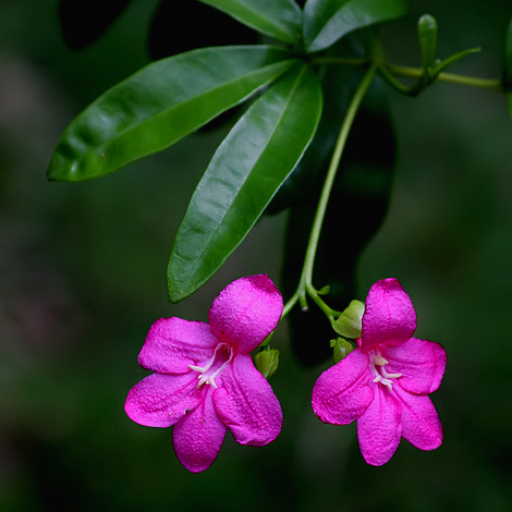
Plant Overview
Known affectionately as Lemonia or the Pink Ravenia, this Cuban native is the hidden gem of the tropical gardening world. While it shares a family tree with lemons and oranges, it swaps edible fruit for some of the most vibrant, "hot pink" blossoms you’ll ever see. It is a slow-growing, sophisticated shrub that adds a touch of Caribbean elegance to any sun-drenched patio or greenhouse.
🔍 How to Identify
- 🌸 Star-Shaped Blooms: The flowers are a brilliant magenta or deep pink, featuring five flat petals that look almost like they were cut from felt.
- 🍃 Glossy Trifoliate Leaves: The foliage is dark, waxy, and grows in groups of three leaflets (trifoliate), much like a clover but far more substantial and leathery.
- 🌳 Compact Habit: It maintains a neat, rounded shrub shape, typically staying between 3 to 5 feet tall, which makes it an ideal "specimen plant" for small spaces.
🏡 In Your Garden
- 💧 Humidity is Key: Coming from the humid tropics of Brazil and Cuba, this plant hates dry air. If you are growing it indoors, a pebble tray or a regular misting schedule will keep its leaves from turning brittle.
- 🍋 The Citrus Connection: Because it belongs to the Rutaceae (citrus) family, it prefers slightly acidic soil. If the leaves start to yellow, it’s often a sign that the soil pH is too high or it needs a boost of iron.
⚠️ Safety & Toxicity
- 🐾 Pet Friendly: Good news for pet owners! Ravenia spectabilis is generally considered non-toxic to cats and dogs.
- 🌿 Mild Irritant: While not poisonous, the sap can occasionally cause very mild skin irritation for those with sensitive skin. It is always a good idea to wear gloves when doing heavy pruning.
✨ Fun Fact
Despite being a close relative of the lemon tree, the Ravenia doesn't smell like citrus at all. In fact, its flowers are largely unscented; it relies entirely on its "electric" pink color to grab the attention of passing butterflies and pollinators!

Detailed Care Instructions
To grow Ravenia Spectabilis plant, also known as the Jade Vine, follow these steps:
- Obtain a healthy plant: Purchase a healthy Jade Vine plant from a reputable nursery or garden center. Alternatively, acquire seeds or cuttings from a reliable source.
- Choose the right location: Jade Vines thrive in warm and humid environments. Select a location that receives bright, indirect sunlight or partial shade. If growing indoors, place it near a window with filtered light.
- Provide optimal temperature conditions: Maintain a temperature range of 70-90°F (21-32°C) for optimum growth. Protect the plant from cold drafts and temperature extremes.
- Use well-draining soil: Plant Ravenia Spectabilis in well-draining soil with organic matter added. It should retain moisture without becoming waterlogged. A recommended soil mix is equal parts peat moss, sand, and garden loam.
- Watering: Keep the soil evenly moist but avoid overwatering, as excessive moisture can cause root rot. Water the plant when the top inch of soil feels dry, and ensure the pot or soil drains excess water well.
- Provide support: Jade Vines are vigorous climbers, so it is essential to provide a trellis, fence, or other support structure. Secure the stems gently as they grow to guide their direction.
- Fertilize regularly: Feed the Ravenia Spectabilis plant with a balanced, water-soluble fertilizer every 2-4 weeks during the growing season (spring and summer). Follow the package instructions for proper dosage.
- Pruning: Trim back any excessive growth or dead/damaged parts of the plant to maintain its shape and health. Prune after the blooming period to encourage better growth and future blooms.
- Humidity requirements: Jade Vines require high humidity levels. Mist the plant regularly with water or place a tray filled with water near the plant to increase humidity levels.
- Pollination: Invite pollinators, such as butterflies or hummingbirds, to aid in pollinating the flowers. You can plant other nectar-rich flowers or use artificial means like a small brush to transfer pollen between flowers.
- Monitor for pests and diseases: Keep an eye out for common pests like aphids, mealybugs, or spider mites. Treat any infestation promptly with appropriate insecticides or insecticidal soaps.
Remember, Jade Vines are tropical plants that can take several years to mature and bloom. Patience, proper care, and favorable growing conditions will increase your chances of successful growth.
Ravenia spectabilis is a tropical plant that requires consistent and proper watering to thrive. Here's a detailed guide on watering this plant:
- Observe the soil: Before watering, check the soil moisture level. Insert your finger about an inch or two into the soil to feel if it's dry or moist. Ideally, the soil should be slightly moist, but not waterlogged.
- Frequency: Water Ravenia spectabilis regularly, typically once a week during its growing season (spring and summer). Adjust the frequency based on environmental conditions such as temperature, humidity, and amount of sunlight. It's crucial to water consistently but avoid overwatering, as this can lead to root rot.
- Water quantity: Provide a thorough watering session to ensure the water reaches the root system. Slowly pour water onto the soil until you see it coming out of the drainage holes at the bottom of the pot. This helps flush out any accumulated salts and promotes healthy root development.
- Water quality: Use room temperature or lukewarm water to avoid shocking the plant's roots. If possible, use filtered water or allow tap water to sit overnight to dissipate any chlorine or chemicals that may be harmful to the plant.
- Watering technique: Instead of pouring water directly onto the foliage, focus on watering the soil. This prevents any potential diseases that may occur due to excessive moisture on the leaves. Aim for an even distribution of water throughout the pot.
- Drying period: After watering, allow the soil to dry out slightly before watering again. This helps prevent waterlogging and allows the roots to access oxygen. However, ensure you don't let the soil completely dry out between waterings, as this can cause stress to the plant.
- Humidity: Consider increasing humidity levels around the plant. You can do this by misting the leaves with water or placing a tray of water next to the plant. This helps mimic the plant's natural tropical habitat and prevents leaf dehydration.
Remember, individual plant care requirements may vary. Always monitor your Ravenia spectabilis plant closely and adjust your watering routine accordingly.
To fertilize Ravenia Spectabilis, use a balanced, slow-release fertilizer with equal ratios of nitrogen, phosphorus, and potassium. Choose a granular fertilizer specifically formulated for flowering plants. Follow these steps:
- Choose the right fertilizer: Look for a fertilizer with an NPK ratio of 10-10-10 or similar. This balanced nutrient composition will support overall plant health and flower production.
- Dilute the fertilizer: Mix the recommended amount of fertilizer with water according to the package instructions. Use a watering can or sprayer for easy application.
- Water the plant: Before applying fertilizer, thoroughly water the soil around the plant to ensure the nutrients can be absorbed properly.
- Apply the fertilizer: Pour the diluted fertilizer mixture evenly around the base of the Ravenia Spectabilis, keeping it away from the stems and leaves. Take care not to over-fertilize, as this can burn the roots and harm the plant.
- Repeat as directed: Fertilize Ravenia Spectabilis once every six to eight weeks during the growing season, typically from spring to early fall. Adjust the frequency and dosage as per the specific fertilizer instructions, considering factors like plant size, growth rate, and soil conditions.
- Water thoroughly: After applying the fertilizer, water the plant again to help distribute the nutrients and prevent any potential damage from concentrated fertilizer.
Remember to always read and follow the instructions provided by the fertilizer manufacturer for the best results and to avoid over-fertilization, which can be detrimental to the plant's health.
For optimal growth and thriving of Ravenia Spectabilis plant, it is recommended to use a well-draining soil mix that is rich in organic matter. The ideal soil should provide a balanced level of moisture retention and good aeration to support healthy root development.
A suitable soil composition for Ravenia Spectabilis typically consists of a blend of loam, organic compost, and coarse sand or perlite. Loam is an excellent choice as it offers a good balance of sand, silt, and clay particles, providing adequate moisture and nutrient retention while allowing excess water to drain away.
To enhance the soil structure and increase nutrient availability, incorporating organic compost into the mix is beneficial. Compost enriches the soil with essential nutrients, improves water-holding capacity, and fosters beneficial microbial activity.
Including coarse sand or perlite in the soil mixture promotes good drainage and prevents the soil from becoming waterlogged. This helps prevent root rot and ensures optimal air circulation, which is crucial for healthy root development.
It is important to note that Ravenia Spectabilis prefers a slightly acidic to neutral soil pH ranging from 5.5 to 7.0. Monitoring the pH levels periodically and adjusting if necessary can help provide the optimal growing conditions for the plant.
Overall, using a well-draining soil mix that retains adequate moisture while allowing excess water to drain away is crucial for the successful cultivation of Ravenia Spectabilis. Focusing on creating a balanced soil composition that provides essential nutrients, good moisture retention, and proper drainage will generally lead to healthy growth and vibrant foliage.
To propagate Ravenia Spectabilis, you can follow these steps:
- Start by selecting a healthy and mature plant from which you want to propagate. Ensure that it is disease-free and has no signs of pests.
- Prepare a suitable rooting medium. You can use a well-draining soil mix or a combination of peat moss and perlite to promote healthy root growth.
- Take a clean and sharp knife or shears and make a cut just below a node on the stem of the plant. A node is a point on the stem where leaves or branches emerge.
- Remove any leaves or branches from the lower portion of the cutting, leaving only a few leaves on the upper part. This helps to reduce moisture loss and promote root formation.
- Dip the cut end of the stem into a rooting hormone powder or gel. This helps to stimulate root growth and increase the success of propagation.
- Create a hole in the prepared rooting medium and gently insert the treated cutting into it. Ensure that at least one or two nodes are buried in the soil.
- Press the soil gently around the cutting to provide stability and promote contact between the stem and the rooting medium.
- Place the potted cutting in a warm and bright location, away from direct sunlight. Maintain a consistent level of moisture in the soil, ensuring it remains damp but not overly saturated.
- Mist the cutting regularly to increase humidity levels around it, as this can promote root development.
- After a few weeks, check for the development of roots by gently tugging on the cutting. If there is resistance, it indicates that roots have formed.
- Once a healthy root system has been established, you can transplant the rooted cutting into a larger pot or a suitable outdoor location. Provide proper care and maintenance to help the new plant thrive.
Propagation of Ravenia Spectabilis through stem cuttings can be a successful method to create new plants and expand your garden or share with others.








