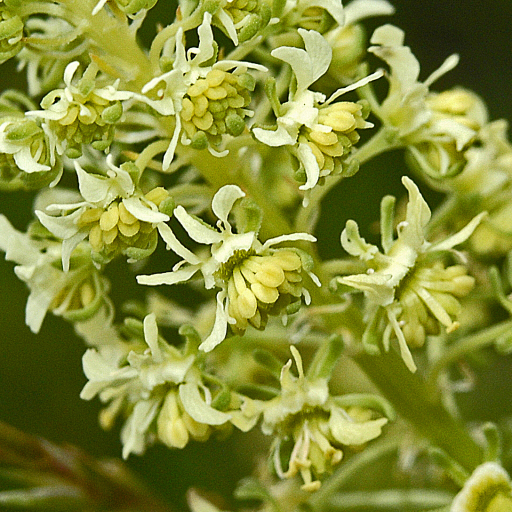
Plant Overview
Known as the Rampion Mignonette, this Mediterranean native is a master of subtlety. While it doesn’t boast the loud, neon colors of tropical plants, its intricate, lace-like flowers have charmed botanists and wildflower enthusiasts for centuries. Often found clinging to rocky slopes or sandy fields, it brings a touch of wild, rustic elegance to naturalized garden spaces.
🔍 How to Identify
- 🌸 Fringed Petals: The most striking feature is the tiny flowers, which possess deeply "slashed" or fringed white-to-cream petals, looking almost like miniature snowflakes or lace.
- 🌿 Leaf Shape: The leaves are distinctively lobed; while the bottom leaves are often simple and spoon-shaped, the leaves further up the stem are wavy and divided into narrow segments.
- 📏 Sprawling Habit: It typically grows in a low, spreading fashion, sending up multiple upright flower spikes (racemes) that can reach up to 15 inches in height.
🏡 In Your Garden
- ☀️ The Beauty of Neglect: This plant thrives in "poor" conditions. It loves well-draining, sandy, or even gravelly soil. If your garden has a dry, sunny spot where nothing else grows, the Rampion Mignonette will likely feel right at home.
- 🦋 Pollinator Cafe: Don't let its muted colors fool you; it is a high-traffic zone for small bees and butterflies. It provides a steady source of nectar throughout the warmer months, making it an excellent choice for a biodiversity-focused garden.
- 🌱 Root Sensitivity: Like many members of the Reseda family, it prefers to be sown directly where it will grow. It possesses a delicate root system that dislikes the "shock" of being moved or transplanted.
⚠️ Safety & Toxicity
- ✅ Generally Safe: Reseda phyteuma is not known to be toxic to humans or common household pets like dogs and cats.
- 🐾 Garden Manners: While it is non-toxic, it's always a good practice to prevent pets from grazing on garden plants to avoid potential digestive upset or the ingestion of any garden fertilizers you may have used nearby.
✨ Fun Fact
The genus name Reseda comes from the Latin word resedare, which translates to "to soothe" or "to calm." In ancient Roman times, the plant was believed to have healing properties, and it was often used in folk medicine as a topical poultice to reduce inflammation and "calm" physical pain.

Detailed Care Instructions
| Humidity | Normal |
| Lighting | Full Sun |
| Difficulty | Easy |
| Hibernation | Cold Period |
| Temperature | Min 21°C |

Place in a bright room that is sun drenched almost all day. Or directly in a south-facing window.

When it comes to watering Reseda Phyteuma plants, it is important to keep in mind that they require a moderate amount of water. One way to ensure that your plant is getting the right amount of water is to check the soil moisture level before and after watering. This can be done by sticking your finger about an inch into the soil and feeling for moisture.
When you water the plant, try to water the soil directly rather than the leaves or flowers. It's also important to avoid overwatering, as this can lead to root rot or other issues. To prevent this, make sure that the pot has good drainage, and allow the soil to dry out between waterings.
In addition to watering, Reseda Phyteuma plants also benefit from being misted occasionally. This helps to increase humidity around the plant and keep the leaves looking healthy. Overall, with the right amount of water and care, your Reseda Phyteuma plant should thrive and produce beautiful blooms.
For optimal growth and health of this plant species, it is recommended to use a well-draining and nutrient-rich soil mix. The soil should be composed of a mixture of organic matter, such as compost and peat moss, and inorganic matter, such as perlite or vermiculite. The pH level of the soil should be slightly acidic to neutral, ideally between 6.0-7.0. It is important to avoid soils that are heavy and compacted, as this can limit root growth and water uptake. Additionally, adding a slow-release fertilizer or supplementing with liquid fertilizer during the growing season can help support the plant's nutritional needs.








