Plant Overview
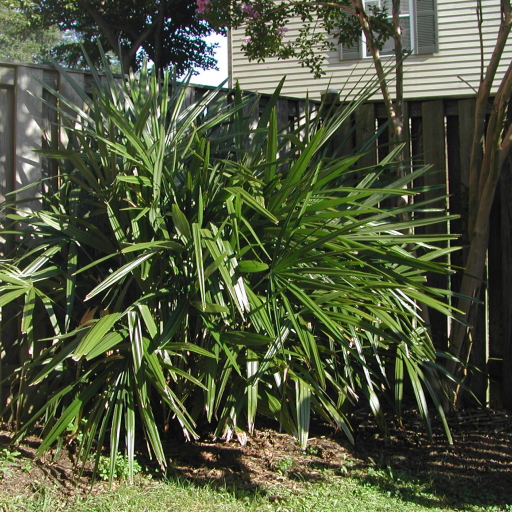
Known affectionately as the Needle Palm or "Porcupine Palm," Rhapidophyllum hystrix is a prehistoric survivor from the southeastern United States. Unlike the swaying, sky-high coconut trees of the tropics, this palm stays grounded, forming lush, dense thickets of deep green foliage. It is world-renowned among plant enthusiasts as the "Iron Man" of the palm world, capable of surviving freezing winters that would prove fatal to almost any other palm species.
🔍 How to Identify
- 🌿 The Foliage: Large, glossy, dark-green leaves that are "palmate" (shaped like a hand or a fan). Each leaf is deeply divided into several narrow segments with notched tips.
- 🎋 Growth Habit: It is a clumping, shrub-like palm that rarely develops a visible trunk. Instead, it grows in a rounded mound, usually reaching only 5 to 8 feet in height.
- 🦔 The "Needles": Its most distinct feature is the mass of sharp, black, needle-like spines (up to 10 inches long) that protrude from the leaf sheaths at the base of the plant, protecting the central bud.
🏡 In Your Garden
- ❄️ The Ultimate Survivor: While most palms crave heat, the Needle Palm is famous for its cold hardiness. It can survive temperatures as low as -10°F (-23°C), making it the go-to choice for gardeners in cooler climates who want a tropical look.
- ☁️ A Shade Lover: In the wild, it lives as an "understory" plant beneath towering oaks and pines. In your garden, it thrives in dappled light or partial shade; too much direct, harsh sun can actually scorch its deep green leaves.
- 💧 Thirsty but Patient: It loves moist, organic soil and doesn't mind "wet feet" occasionally, but it is incredibly slow-growing. Because it has a sensitive root system that hates being disturbed, you should choose its permanent home carefully—it does not like to be moved once established.
⚠️ Safety & Toxicity
- ⚔️ Physical Hazard: While the plant is not considered chemically toxic to humans or pets, the "needles" are exceptionally sharp and stiff. They can easily puncture skin or paws if someone brushes against the base of the plant.
- 🛡️ Placement: It is best planted away from walkways, play areas, or spots where curious pets might go digging. Always wear thick, heavy-duty gardening gloves when pruning or cleaning debris from the base.
✨ Fun Fact
The Needle Palm is a "relic species." It is the only member of its genus and has survived relatively unchanged since the end of the last Ice Age, outlasting the mammoths and giant sloths that once lived alongside it!

Detailed Care Instructions
| Humidity | Normal |
| Lighting | Part Sun |
| Difficulty | Medium |
| Temperature | Min 14°C |
| Hardiness Zones | 6 - 10 |
To successfully grow Rhapidophyllum hystrix, also known as needle palm, you should follow these steps:
- Choose the right location: Rhapidophyllum hystrix prefers full sun to partial shade and can tolerate a variety of soil types, including sandy, loamy, and clay soils. Ensure the location receives at least six hours of direct sunlight each day.
- Planting: Dig a hole that is twice as wide and just as deep as the plant's root ball. Place the plant in the hole and backfill with soil while gently firming it around the roots. Ensure that the soil level remains the same as the top of the root ball.
- Watering: Water the plant thoroughly after planting and continue to water it regularly during its first year to establish a strong root system. After the initial year, Rhapidophyllum hystrix can tolerate drier conditions, but it is still important to provide it with enough water during drought periods.
- Mulching: Apply a layer of organic mulch, such as wood chips or bark, around the base of the plant. Mulch helps retain soil moisture, suppress weed growth, and regulate soil temperature.
- Pruning: Regular pruning is generally not needed for Rhapidophyllum hystrix. However, remove any damaged or dead leaves as they appear. Be cautious when handling the plant as the leaf margins have sharp spines.
- Fertilization: Rhapidophyllum hystrix usually grows well without frequent fertilization. However, if needed, you can apply a slow-release fertilizer during the growing season.
- Cold protection: Rhapidophyllum hystrix is one of the most cold-hardy palm species. However, when extreme temperatures are expected, you can cover the plant with a blanket or burlap to provide extra protection.
- Pests and diseases: Rhapidophyllum hystrix is relatively pest and disease-free. However, occasional issues like scale insects or fungal diseases may occur. Monitor the plant regularly and take appropriate measures if any problems arise.
Following these guidelines should help you successfully grow and care for Rhapidophyllum hystrix. Remember that every plant is different, so being observant and adjusting your care as needed is essential for optimal growth.

Place in a window with dappled sun or a spot in the middle of a room. Or directly in a window facing west or east.

To water this plant, it is important to ensure the soil is completely dry before watering again. When watering, give enough water so that it runs out of the drainage holes in the pot, but do not let the plant sit in standing water. It is best to use room temperature water. In addition, this plant prefers a high humidity environment, so misting the leaves occasionally can also be beneficial.
To fertilize this plant, use a slow-release fertilizer with a low nitrogen content. Apply the fertilizer around the base of the plant in the spring and summer months. Be sure to follow the instructions on the fertilizer packaging and avoid over-fertilizing, as this can damage the plant.
Rhapidophyllum hystrix plant requires soil that is rich in nutrients and well-draining. The ideal soil type for this plant is a mix of sandy loam, peat moss, and perlite. The soil should be slightly acidic with a pH range between 5.5 to 6.5.
To ensure successful growth, it is important to provide an appropriate soil mix for the Rhapidophyllum hystrix plant. The soil must be able to retain moisture while also allowing for adequate drainage to prevent waterlogging.
It is also recommended to add organic matter to the soil such as compost or well-rotted manure to improve soil structure and nutrient availability. Additionally, regular fertilization with a balanced fertilizer is important for maintaining healthy growth.
Overall, a well-draining and nutrient-rich soil with a slightly acidic pH is necessary to support the healthy growth of the Rhapidophyllum hystrix plant.
To propagate the plant, first identify a mature healthy plant from which to take cuttings. Using a sterilized sharp knife, carefully cut a stem near the base of the plant. The cutting should be about 6-8 inches long and have at least one node. Remove any leaves from the bottom half of the cutting and dip the cut end into rooting hormone powder.
Prepare a potting mix of well-draining soil and perlite, vermiculite, or sand. Make a hole in the soil and gently insert the cutting into the soil, pressing the soil around the stem to ensure good contact. Water the cutting and cover it with a plastic bag to create humidity. Place the pot in bright, indirect light and keep the soil moist.
After 2-3 weeks, check for roots by gently tugging on the stem. If it resists, roots have formed and the plastic bag can be removed. The new plant should be gradually acclimated to its new environment by exposing it to more light and reducing water until it is established.








