Plant Overview
Often called the "Pink and White Everlasting," this Australian native is the superstar of the dried floral world. In its homeland, it is famous for creating vast, shimmering carpets of color that look like a floral ocean after the spring rains. Unlike traditional soft flowers, these blooms feel like delicate parchment or stiff paper to the touch, making them a favorite for crafters and florists alike.
🔍 How to Identify
- 🌸 The "Petals": What look like petals are actually papery bracts. They are stiff, dry, and come in shades of crisp white, soft pink, or deep rose-magenta.
- ☀️ Central Disc: The heart of the flower is a bright, cheery yellow disc made of tiny individual florets, though some subspecies feature a striking dark center.
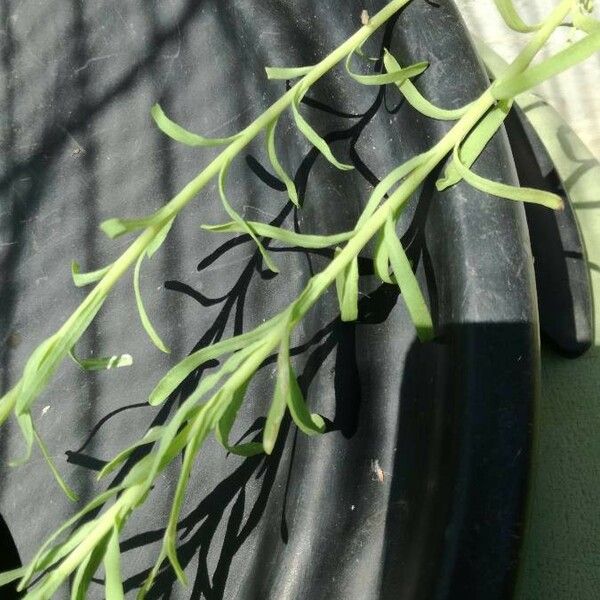
- 🌿 Foliage: The stems are slender and upright, clothed in narrow, lance-shaped leaves that often have a subtle grayish-green tint.
🏡 In Your Garden
- 🏜️ Outback Origins: Evolution has taught this plant to thrive in harsh, dry conditions. It has a sensitive taproot that hates being disturbed, so it is best to sow seeds directly into the garden rather than transplanting them.
- 💧 Drainage is Key: While it enjoys a drink during its rapid growing phase, "wet feet" can lead to root rot. Ensure your soil is sandy or exceptionally well-draining to mimic the arid Australian plains.
⚠️ Safety & Toxicity
- ✅ Safe Profile: Rhodanthe chlorocephala is generally considered non-toxic to humans and most common household pets like cats and dogs.
- 🐾 Textural Hazard: While not poisonous, the papery, stiff bracts of the dried flowers can be a minor choking hazard or cause slight mouth irritation if a curious pet tries to snack on a dried bouquet.
✨ Fun Fact
These flowers are truly "immortal" in the world of decor. Because the colorful parts are modified leaves (bracts) rather than soft petals, they don't wilt or lose their pigment when dried. A bouquet picked today can retain its vivid pink color for several years without a single drop of water!

Detailed Care Instructions
To grow a Rhodanthe Chlorocephala plant, follow these steps:
- Choose a suitable location: Ensure that the planting area receives abundant sunlight, preferably in a well-draining soil.
- Prepare the soil: Loosen the soil and remove any weeds or debris from the planting area. If the soil is heavy or clay-like, mix in some compost or well-rotted organic matter to improve drainage.
- Sow the seeds: Plant the seeds directly into the ground or in seed trays. The seeds are tiny, so sprinkle them thinly and barely cover them with a fine layer of soil. Maintain a distance of about 20 inches between each seed or thin out the seedlings later to give them room to grow.
- Watering: Keep the soil moist but not waterlogged. Overwatering can lead to root rot, so water the plant sparingly, especially in humid conditions. It is best to water in the morning or evening to minimize evaporation.
- Fertilization: In general, Rhodanthe Chlorocephala plants do not require much fertilizer. However, if the soil is nutrient-poor, you can use a balanced, slow-release fertilizer according to the manufacturer's instructions. Avoid using excessive amounts of nitrogen, as it can cause the plants to produce more foliage than flowers.
- Maintenance: Remove any weeds that compete with the Rhodanthe Chlorocephala plants for nutrients and water. Mulching around the plants can help suppress weed growth.
- Support: As the plants grow taller, they may need some support to prevent bending or breaking. You can place a small stake or use a plant support ring to keep the plant upright.
- Pruning: Deadhead the spent flowers regularly to encourage continuous blooming and prevent self-seeding. Trim back any leggy or scraggly growth to maintain a tidy appearance.
- Protect from pests: Monitor the plants for common pests like aphids or spider mites. If necessary, use organic or chemical pest control methods to keep the pests under control.
- Blooming: Rhodanthe Chlorocephala plants typically bloom in late spring or early summer. Enjoy the beautiful display of pink or white daisy-like flowers that will attract pollinators to your garden.
Remember that growing plants can be highly dependent on factors like climate and soil conditions. It is always a good idea to research and tailor your care routine to the specific needs of the Rhodanthe Chlorocephala plant in your region.

Place in a bright room that is sun drenched almost all day. Or directly in a south-facing window.

To water Rhodanthe Chlorocephala plants, ensure that the soil is dry before watering. This can be checked by inserting your finger into the soil up to the first knuckle. If the soil feels dry at this depth, it is time to water. It is important not to overwater the plant as this can lead to root rot. Water thoroughly but allow excess water to drain away before placing the plant back in its saucer or decorative pot. It is recommended to use room temperature water and avoid watering directly onto the leaves. Aim to water the soil, not the plant itself. Watering frequency will depend on factors such as temperature, humidity, and sunlight, but in general, Rhodanthe Chlorocephala plants can be watered every 1-2 weeks.
To fertilize the Rhodanthe Chlorocephala plant, use a balanced (10-10-10) fertilizer in spring or summer. Mix the fertilizer with water according to the package instructions, and then pour the solution around the base of the plant. Avoid getting the fertilizer on the leaves or flowers as it may cause damage. Repeat every 6-8 weeks during the growing season. It is important not to over-fertilize as this can harm the plant.
The Rhodanthe Chlorocephala plant prefers well-draining soil that is slightly acidic with a pH level between 5.5 to 6.5. It requires soil that is rich in organic matter and nutrients, so adding compost or well-rotted manure to the soil prior to planting is recommended. It is also important that the soil does not become waterlogged, as this can lead to root rot and other issues. Sandy loam soil is ideal for this plant and will provide the proper drainage and nutrients needed for healthy growth.
Rhodanthe chlorocephala is a plant species that belongs to the Asteraceae family. It is native to Australia and is commonly grown for its beautiful and uniquely shaped flowers. If you want to propagate this plant species, you can follow these steps:
- Choose a healthy and mature plant that you want to propagate. Make sure it is free from pests and diseases.
- Take a cutting from the parent plant using a sharp and sterile pair of scissors or pruning shears. The cutting should be about 4-6 inches long and should have several leaves.
- Remove the lower leaves of the cutting, leaving at least 2-3 leaves at the top.
- If you want to speed up the rooting process, you can dip the cut end of the cutting in rooting hormone.
- Prepare a pot or container with well-draining soil. You can mix perlite, sand, and peat moss to create a suitable soil mix.
- Make a small hole in the soil and insert the cutting into it. Firmly press the soil around the base of the cutting.
- Water the soil thoroughly, making sure that the water reaches the root zone.
- Place the pot in a warm and bright location, but avoid direct sunlight. You can cover the pot with a plastic bag or clear plastic wrap to create a humid environment that will encourage rooting.
- Check the soil moisture regularly and water when necessary.
- After a few weeks, check whether the cutting has rooted by gently tugging on it. If you feel some resistance, it means that roots have formed.
- Once the cutting has rooted, you can transplant it into a larger pot or into your garden.
By following these steps, you can successfully propagate Rhodanthe chlorocephala and enjoy its beautiful flowers in your garden.








