Plant Overview
Known as the "Gothic Queen" of the shrub world, the Rhododendron 'Blackie' (or Rhododendron Blackii) is famous for its moody, dramatic presence. Unlike the bright pinks and whites of its cousins, this cultivar boasts blooms so deep in hue they appear almost black under certain lighting. It is a prized choice for "moonlight gardens" or "Gothic landscapes" where its velvety, dark burgundy-to-black petals create a striking contrast against silvery-green foliage.
🔍 How to Identify
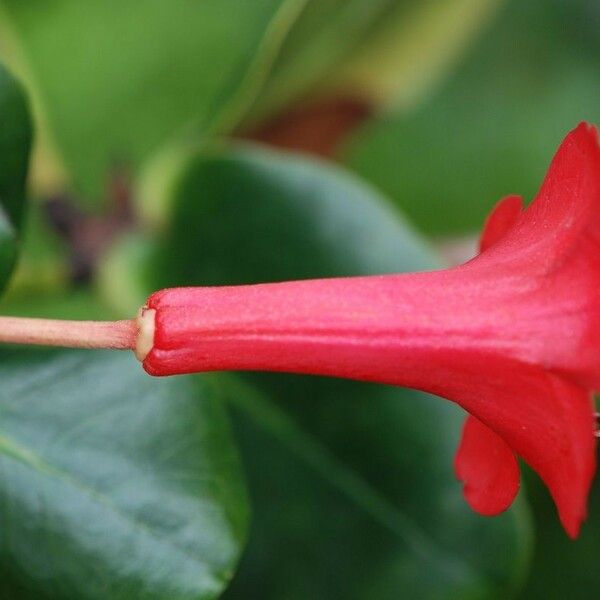
- 🌸 Velvety Blooms: The flowers are funnel-shaped and ruffled, featuring a deep maroon or dark wine-red color that is so saturated it looks ink-black in the shade.
- 🍃 Durable Foliage: It features matte, leathery, dark-green leaves that remain on the plant year-round, providing a dense evergreen backdrop even when the flowers have faded.
- 🌿 Compact Growth: This variety typically maintains a mounded, rounded habit, making it look like a tidy, dark cloud in the garden rather than a sprawling wild bush.
🏡 In Your Garden
- 🧪 The Acid Test: Like all its kin, the 'Blackie' is an "Ericaceous" plant, meaning it strictly requires acidic soil. If your soil is alkaline, it will struggle to absorb nutrients, leading to yellowing leaves.
- 💧 Shallow Roots: This plant has a very shallow root system. It hates being planted too deep and absolutely loathes "wet feet"—ensure your soil drains perfectly, or the roots may rot before the first bloom.
- 🌥️ Light & Shadow: To get that true "black" look, plant it in dappled shade. Too much direct afternoon sun can actually bleach the dark pigments in the petals, turning them a muddy brown.
⚠️ Safety & Toxicity
- 🚫 High Toxicity: Every part of the Rhododendron—leaves, stems, and flowers—contains grayanotoxins.
- 🐾 Pet & Child Alert: If ingested, it can cause vomiting, cardiac distress, and even paralysis in pets (especially dogs and horses) and humans. Always supervise small children and curious pets around this plant.
- 🍯 Mad Honey: Even honey made by bees that frequent these flowers can be toxic to humans, a phenomenon historically known as "Mad Honey."
✨ Fun Fact
In the Victorian "Language of Flowers," Rhododendrons were often sent as a secret warning to "beware." Because of their beauty paired with their hidden toxins, they symbolized danger wrapped in an attractive package!

Detailed Care Instructions








