Plant Overview
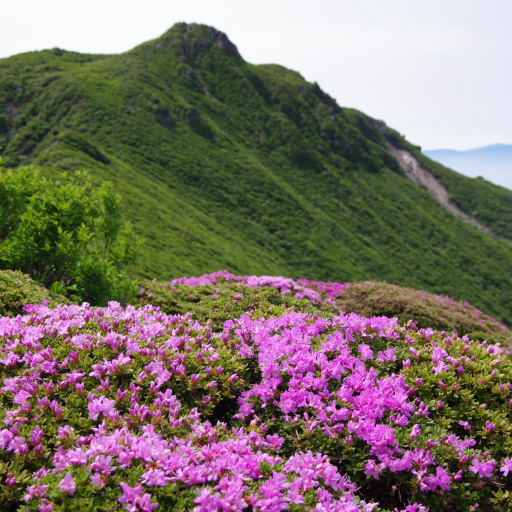
Known as the Kyushu Azalea, this charming mountaineer hails from the high volcanic peaks of Japan. It is the pint-sized darling of the azalea world, beloved by gardeners for its dense, cloud-like form and its ability to transform into a solid mound of vibrant color every spring. Because of its slow growth and naturally tiny leaves, it has also become a legendary favorite for bonsai enthusiasts worldwide.
🔍 How to Identify
- 🌸 The Bloom: Miniature funnel-shaped flowers, typically in shades of vivid pink, lilac, or crisp white. During peak season, the blossoms are so numerous they can completely hide the green foliage beneath.
- 🍃 The Foliage: Small, dark green, oval leaves that are often covered in fine hairs. In colder climates, these leaves may turn a lovely bronze or purple tint during the winter months.
- 🌳 Growth Habit: It maintains a low, spreading, and mounding shape. It rarely exceeds 2-3 feet in height, making it look like a living green cushion.
🏡 In Your Garden
- 🌋 Volcanic Heritage: Because it originates on rocky Japanese slopes, it demands impeccable drainage. It will quickly suffer from root rot if left in heavy, compacted clay or standing water.
- ☀️ Light Balance: While it needs plenty of light to fuel its heavy blooming, it prefers "cool feet." In hotter regions, dappled morning sun with protection from the harsh afternoon heat is the winning recipe.
- 🪴 Shallow Roots: This plant has a very fine, delicate root system that stays close to the surface. Avoid digging or hoeing around the base, and use a layer of acidic mulch (like pine needles) to keep the roots cool and moist.
⚠️ Safety & Toxicity
- 🚫 Status: Highly Toxic.
- 🐾 Details: Like all members of the Rhododendron genus, this plant contains grayanotoxins. If ingested by dogs, cats, or horses, it can cause vomiting, cardiac distress, and even paralysis. Keep it out of reach of curious pets and children who might be tempted by the pretty flowers.
✨ Fun Fact
In its native Japan, Rhododendron kiusianum is a primary choice for Satsuki bonsai. Its naturally "twiggy" branching pattern allows artists to prune it into a miniature version of a majestic, ancient forest tree.

Detailed Care Instructions
To grow Rhododendron Kiusianum, you can follow these steps:
- Choose a suitable location: Rhododendron Kiusianum prefers partial shade or filtered sunlight. Select a spot in your garden that provides protection from intense afternoon sunlight.
- Soil preparation: This plant thrives in acidic soil with a pH level between 4.5 and 5.5. Prior to planting, amend the soil with organic matter such as compost or peat moss to improve drainage and acidity.
- Planting: Dig a hole that is slightly wider and deeper than the root ball of the Rhododendron Kiusianum plant. Place the plant in the hole, making sure the top of the root ball is level with or slightly above the soil surface. Backfill the hole with the amended soil, gently patting it down to remove air pockets.
- Watering: Rhododendrons require consistent moisture, especially during the growing season. Water the plant thoroughly after planting, and then continue to water regularly. Aim to keep the soil evenly moist, but not soggy.
- Mulching: Apply a layer of organic mulch, such as wood chips or pine needles, around the base of the plant. This helps to retain moisture, regulate soil temperature, and suppress weed growth. Avoid piling the mulch against the stem to prevent rotting.
- Fertilizing: Feed the Rhododendron Kiusianum plant with a slow-release, balanced fertilizer formulated for acid-loving plants. Follow the instructions on the fertilizer packaging for the recommended dosage and frequency of application.
- Pruning: Prune your Rhododendron Kiusianum plant after flowering to maintain its desired shape and size. Remove any dead, damaged, or crossing branches. Avoid cutting back too aggressively, as this may reduce next year's blooms.
- Protection: If your region experiences harsh winters, consider protecting your Rhododendron Kiusianum plant from frost and freezing temperatures. You can cover it with a burlap sack or blanket, or create a windbreak to shield it from cold winds.
By following these steps, you can successfully grow and care for your Rhododendron Kiusianum plant.

Place in a window with dappled sun or a spot in the middle of a room. Or directly in a window facing west or east.

To water this plant, make sure the soil is thoroughly moistened but not waterlogged. The amount and frequency of watering will depend on the temperature, humidity, and light conditions in its environment. Generally, it's best to water it when the top inch of soil feels dry. When watering, thoroughly saturate the soil until water begins to drain out of the bottom of the pot or container. It's important not to let the roots sit in standing water as this can cause root rot. If using a tray or saucer to catch excess water, make sure to empty it regularly. In the winter months, when the plant is dormant, it will require less water.
- Apply fertilizer in early spring before new growth appears.
- Use a specifically formulated fertilizer for acid-loving plants with a ratio of 10-10-10 or 4-8-8.
- Follow the instructions on the package for the amount of fertilizer to apply.
- Avoid fertilizer buildup by using a slow-release fertilizer or applying fertilizer sparingly.
- Water the plant after fertilizing to help the nutrients reach the roots.
- Avoid fertilizing during the fall or winter as this can stimulate unwanted growth.
Rhododendron Kiusianum is a plant that requires acidic soil with a pH range between 5.0 and 6.0. It also prefers soil that is well-drained, moist, and high in organic matter content. It is recommended to use a soil mix that contains a blend of sphagnum peat moss, perlite, and coarse sand or pine bark to help enhance drainage and aeration. Additionally, the soil should be rich in nutrients, particularly nitrogen, phosphorus, and potassium, to promote healthy growth and flowering. It is important to avoid using alkaline soil or soil mixes that contain lime, as this can lead to nutrient deficiencies and negatively impact the plant's growth and health.
To propagate this plant, start by taking stem cuttings from a healthy and mature plant. Cut a stem of about 6-8 inches in length, making sure to include a few leaves. Remove the lower leaves from the cutting, leaving only the top 2-3 leaves. Dip the cut end of the stem into rooting hormone powder and then plant it in a container filled with a well-draining soil mixture.
Water the soil thoroughly and cover the container with a plastic bag to create humidity around the cutting. Place the container in a bright, but indirect, area with temperatures around 70-75°F. Keep the soil moist but not waterlogged, and mist the cutting regularly to maintain humidity.
After about 4-6 weeks, check the cutting for signs of root growth by gently tugging on the stem. If it resists, roots have developed, and the cutting can now be transplanted into a larger container or into the ground outdoors.
Continue to care for the new plant by providing adequate water and light, protecting it from extreme temperatures, and fertilizing it with a balanced plant food. With proper care, the new plant should grow into a healthy and productive Rhododendron Kiusianum plant.








