Plant Overview
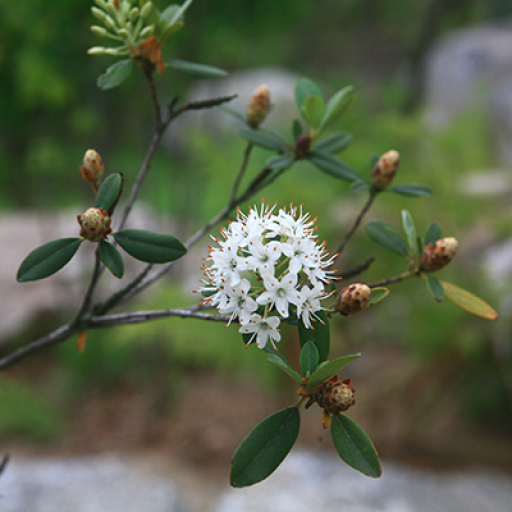
Often called the Manchurian Rhododendron, Rhododendron micranthum is a hidden gem from the rocky slopes of Northern China and Korea. Unlike its more famous cousins that boast massive, showy blooms, this species is prized for its refined, almost "wildflower" elegance. It is a tough, hardy shrub that brings a delicate, starry texture to any woodland garden or shaded corner.
🔍 How to Identify
- 🌸 The Tiny Blooms: Instead of large clusters, it produces numerous small, bell-shaped white flowers that look like tiny stars scattered across the foliage.
- 🍃 Scaly Leaves: The leaves are evergreen, small, and leathery. If you look closely at the underside, you will see tiny brownish "scales" (lepidote) that help the plant regulate moisture.
- 🌿 Twiggy Habit: It grows as a dense, upright, and twiggy shrub, rarely exceeding 4-6 feet in height, making it look more like a boxwood or a privet from a distance until it blooms.
🏡 In Your Garden
- ⛰️ The Mountain Native: Because it originates from rocky regions, this plant demands excellent drainage. It thrives in "cool feet"—meaning the soil should stay moist and acidic, but never waterlogged or "swampy."
- 🌬️ Hardiness Nuance: It is exceptionally cold-tolerant compared to tropical rhododendrons, but it appreciates a spot protected from harsh, drying winter winds which can scorch its evergreen leaves.
⚠️ Safety & Toxicity
- 🚫 Toxic Status: Like almost all members of the Rhododendron genus, this plant is toxic if ingested.
- 🐾 Pet & Child Safety: It contains grayanotoxins, which can cause digestive upset, drooling, and heart issues in dogs, cats, and livestock. Ensure it is planted away from curious nibblers.
✨ Fun Fact
The name Micranthum literally translates from Greek to "small-flowered." While most rhododendrons are the "divas" of the garden, this species is the "minimalist," evolved to survive in harsher, higher-altitude environments where smaller flowers are less likely to be damaged by mountain winds!

Detailed Care Instructions
Here are some tips on how to grow Rhododendron Micranthum:
- Climate: Rhododendron Micranthum thrives in cool, temperate climates with an average annual temperature ranging from 45 to 65°F (7 to 18°C). They prefer a climate with mild winters and moist summers.
- Location: Choose a planting site that provides partial shade. Rhododendron Micranthum prefers dappled sunlight or filtered shade, as direct sunlight can scorch its leaves.
- Soil: Plant in well-draining, acidic soil with a pH level between 4.5 and 6.0. If your soil is not naturally acidic, you can amend it with organic materials like peat moss or pine needles to lower the pH.
- Planting: Dig a hole slightly larger than the rootball of the plant. Place the plant in the hole, making sure it is at the same level as it was in the container it came in. Backfill the hole with soil and gently tamp it down. Water the plant thoroughly after planting.
- Watering: Rhododendron Micranthum likes consistently moist but not soggy soil. Water deeply and regularly, especially during periods of drought. Avoid letting the soil dry out completely between waterings.
- Mulching: Apply a layer of organic mulch, such as pine bark or wood chips, around the base of the plant. Mulching helps to conserve moisture, suppress weeds, and maintain a cool root system.
- Fertilizing: Use a slow-release, acid-loving fertilizer specifically formulated for rhododendrons. Follow the manufacturer's instructions for application rates and timing. Avoid over-fertilizing, as it can lead to excessive growth and poor flowering.
- Pruning: Prune Rhododendron Micranthum in early spring after flowering has finished. Remove dead or damaged branches and shape the plant as desired. Be careful not to prune too much, as this can reduce future flower production.
- Protection: Protect the plant from harsh winds, which can dry out the foliage and damage the delicate flowers. Consider planting in a sheltered area or providing windbreaks, such as fences or other plants, to shield the rhododendron.
- Pests and Diseases: Rhododendron Micranthum can be susceptible to pests like aphids, caterpillars, and spider mites. Regularly inspect the plant for any signs of infestation and take appropriate measures to control the pests. Additionally, watch out for common diseases like powdery mildew or bud blast, and promptly treat them if detected.
Remember to regularly monitor the plant's health and adjust care accordingly. With proper attention and maintenance, your Rhododendron Micranthum plant should thrive and reward you with beautiful blooms.

Place in a window with dappled sun or a spot in the middle of a room. Or directly in a window facing west or east.

To water Rhododendron Micranthum plants effectively, it is important to understand their specific watering requirements. Here are some guidelines:
1. Location: Rhododendron Micranthum is commonly found in shaded or partially shaded areas. Choose a location that provides adequate indirect sunlight and protects the plant from harsh afternoon sunlight.
2. Soil type: Rhododendron Micranthum prefers well-draining soil that is moist but not waterlogged. The soil should be slightly acidic with a pH level between 4.5 and 6.
3. Watering frequency: Water the plant regularly to maintain consistent moisture levels in the soil. However, allow the top inch of soil to dry out between watering sessions to prevent overwatering and root rot.
4. Watering technique: Avoid overhead watering or splashing water on the leaves. Instead, focus on watering the root zone near the base of the plant. Use a watering can or hose with a nozzle attachment for a gentle flow of water.
5. Amount of water: The amount of water required depends on factors like weather conditions, plant size, and soil type. Generally, a deep watering session once or twice a week is sufficient. Ensure that the water penetrates the soil to a depth of 6-8 inches.
6. Mulching: Apply a layer of organic mulch, such as bark chips or pine needles, around the base of the plant. This helps retain soil moisture, regulate temperature, and suppress weed growth.
7. Monitoring: Regularly check the moisture levels in the soil by inserting your finger or a moisture meter into the ground. Adjust the watering schedule based on the plant's needs and the drying rate of the soil.
Remember, it is crucial not to overwater Rhododendron Micranthum as they are susceptible to root diseases. Aim for a balanced watering approach to maintain the plant's health and vitality.
To properly fertilize Rhododendron Micranthum plants, follow these instructions:
- Choose a well-balanced, slow-release fertilizer specifically formulated for acid-loving plants.
- Apply the fertilizer in early spring, just as new growth begins.
- Measure the recommended amount of fertilizer according to the package instructions. Do not exceed the recommended dosage, as it can cause harm to the plant.
- Sprinkle the fertilizer evenly around the drip line of the plant, which is the outer edge of the foliage.
- Gently work the fertilizer into the top few inches of soil using a garden fork or rake. Be careful not to damage the plant's shallow roots.
- Water the plant thoroughly after applying the fertilizer to help it absorb the nutrients and prevent any potential burning of the roots.
- Repeat the fertilization process once a year, preferably in early spring, to promote healthy growth and vibrant blooms.
- As a general guideline, a 10-10-10 or 14-14-14 fertilizer is suitable for Rhododendron Micranthum plants. However, always check the specific fertilizer requirements for your plant to ensure optimal results.
Remember to always follow the instructions provided on the fertilizer packaging and consider the individual needs of your plant to adjust the fertilization schedule or type if necessary.
Rhododendron Micranthum, a species of flowering plant, is known for its attractive blooms and is particularly finicky when it comes to soil requirements. To ensure its optimal growth and health, it is essential to provide it with the appropriate soil conditions. This species prefers acidic soil, with a pH range between 4.5 and 6.0.
The soil should be well-draining to avoid waterlogging, which can cause root rot and other fungal diseases. Additionally, the soil should have good water retention capabilities to ensure the plant receives adequate moisture. A soil with high organic content is generally preferred, as it provides essential nutrients to the plant and improves soil structure.
To create a suitable soil mix for Rhododendron Micranthum, it is advisable to use a combination of organic matter, such as peat moss or well-rotted compost, and an acidic soil amendment like sphagnum moss or pine bark fines. These amendments help maintain the desired pH level and improve drainage.
It is worth noting that some gardeners may prefer to perform a soil test before planting Rhododendron Micranthum. This test can determine the specific nutrient requirements and pH level of the soil and help in determining the appropriate amendments to add.
In conclusion, Rhododendron Micranthum thrives in acidic, well-drained soil with good water retention capabilities and high organic content. By providing the plant with the proper soil mix, you can create an optimal growing environment for this beautiful species.
To propagate Rhododendron Micranthum, you can follow these steps:
- Collecting Seeds: Find mature Rhododendron Micranthum fruits or seed capsules in late summer or early fall. Allow the capsules to dry on the plant until they split open, revealing small seeds. Collect the seeds by carefully gathering them from the capsules.
- Cleaning the Seeds: Remove any debris or remaining capsules from the seeds. Rinse them gently under cool running water and pat them dry with a paper towel.
- Stratification: Rhododendron Micranthum seeds require a period of cold stratification to initiate germination. Moisten a paper towel and place the seeds inside it, then seal it in a plastic bag or container. Keep the seeds in the refrigerator at a temperature between 32-41°F (0-5°C) for a period of 60-90 days.
- Sowing: After stratification, fill small pots or seed trays with well-draining soil mix. Place the seeds on the surface of the soil, gently pressing them down. Avoid burying the seeds too deep as they need light to germinate. Mist the soil with water to maintain moisture.
- Germination: Cover the pots or trays with a clear plastic lid or plastic wrap to create a greenhouse-like environment. Place them in a warm location with indirect sunlight. The ideal temperature for germination is around 68-77°F (20-25°C). Keep the soil consistently moist but not soggy.
- Transplanting: Once the seedlings have developed their first pair of true leaves, they can be transplanted into individual pots or containers. Use a well-draining acidic soil mix suitable for Rhododendrons. Handle the delicate seedlings with care to avoid damaging their fragile roots.
- Care: Place the transplanted seedlings in a location with bright, indirect light. Maintain a consistent temperature between 50-68°F (10-20°C) and keep the soil evenly moist. Avoid exposing the seedlings to direct sunlight, which can cause leaf burn.
- Gradual Acclimatization: When the seedlings are well-established and strong enough, gradually acclimate them to outdoor conditions. Start by placing them in a sheltered spot with partial shade for a few hours a day, gradually increasing the exposure over several weeks. This will help prepare them for the harsher outdoor environment.
Remember, Rhododendron Micranthum may take several years to reach maturity and bloom. Proper care and patience are essential during the propagation process to ensure healthy and thriving plants.








