Plant Overview
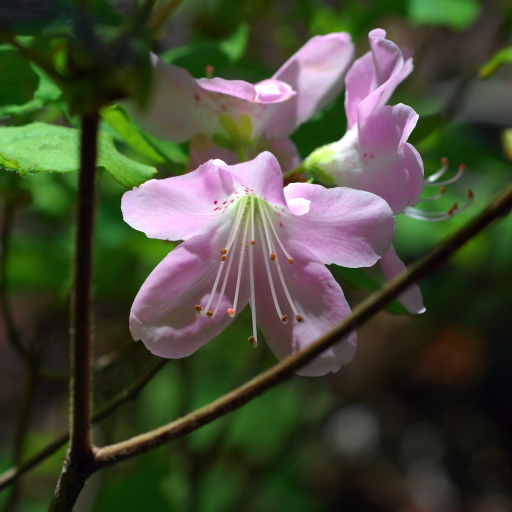
Known as the Royal Azalea, Rhododendron schlippenbachii is often considered the most beautiful of all deciduous azaleas. Native to the rocky hillsides of Korea and Japan, it earned its "royal" title because of its exceptionally large, elegant blossoms that look like delicate pink silk. Unlike many evergreens, this shrub is a seasonal storyteller, shifting from pale spring pastels to fiery autumn hues.
🔍 How to Identify
- 🌸 The Blooms: Large, funnel-shaped flowers ranging from white to a soft, "ballet-slipper" pink, often decorated with tiny reddish-brown freckles on the upper petals.
- 🍃 The Leaf Whorl: Leaves are distinctively "obovate" (teardrop-shaped) and grow in clusters of five at the very tips of the branches, looking like green floral patterns.
- 🍂 Fall Transformation: One of its best identifying features in late year is the foliage, which turns brilliant shades of orange, gold, and crimson before dropping for the winter.
🏡 In Your Garden
- 🌱 Soil Sensitivity: This plant is a "specialist." It demands highly acidic, well-draining soil. It has a sensitive root system that hates being moved, so choose its "forever home" carefully to avoid transplant shock.
- ☀️ Light Balance: While it loves the morning sun, it requires protection from harsh afternoon heat. In too much shade, it will grow "leggy" and produce fewer of those iconic royal blooms.
⚠️ Safety & Toxicity
- 🚫 Status: Toxic to humans and animals.
- 🐾 Details: Like all members of the Rhododendron family, the Royal Azalea contains grayanotoxins. If leaves or flowers are ingested by dogs, cats, or horses, it can cause digestive upset, weakness, and heart issues. Keep it toward the back of borders where pets and toddlers won't be tempted to "taste-test" the flowers.
✨ Fun Fact
The plant was named after Baron von Schlippenbach, a Russian naval officer and explorer who "discovered" the species for Western science in 1854, but it has been a celebrated symbol in Korean art and poetry for centuries.

Detailed Care Instructions
To grow Rhododendron schlippenbachii, also known as the royal azalea, you can follow these steps:
- Select a suitable location: Choose an area in your garden that receives partial shade to full sun. The soil should be well-draining but moist, rich in organic matter, and slightly acidic (pH 5.0-6.0).
- Prepare the soil: Before planting, loosen the soil and add a generous amount of organic matter like compost or well-rotted manure to improve drainage and nutrient content. This will help create the ideal growing conditions for the plant.
- Planting: Dig a hole that is wide and deep enough to accommodate the plant's roots. Place the rhododendron plant in the hole, ensuring that the top of the root ball is slightly above the soil surface. Backfill the hole with soil and gently tamp it down.
- Watering: After planting, water the plant thoroughly to settle the soil around the roots. Maintain consistent moisture levels by providing regular watering during dry periods. However, avoid overwatering or allowing the soil to become waterlogged, as this can lead to root rot.
- Mulching: Apply a layer of organic mulch, such as wood chips or pine needles, around the base of the plant. This helps retain moisture, suppresses weed growth, and regulates soil temperature. Maintain a mulch depth of around 2-4 inches, making sure to keep it away from the plant's stem to prevent rot.
- Fertilizing: Rhododendrons generally benefit from an annual feeding in early spring before new growth begins. Choose a slow-release, acid-loving fertilizer specifically formulated for rhododendrons or azaleas. Follow the package instructions for proper application rates.
- Pruning: Prune any dead, diseased, or damaged branches as soon as you notice them. Additionally, you can shape the plant after it finishes flowering to maintain a desirable form. Avoid heavy pruning, as it may reduce next year's blooms.
- Protecting from extreme weather: If you live in a region with harsh winters, consider providing protection to the plant by covering it with burlap or a breathable frost cloth during cold spells. This will shield it from drying winds and extreme cold temperatures.
By following these guidelines and tending to the specific needs of the Rhododendron schlippenbachii plant, you can ensure its healthy growth and beautiful blooming.

Place in a window with dappled sun or a spot in the middle of a room. Or directly in a window facing west or east.

To water this particular plant, it is important to avoid using tap water as it may contain high levels of minerals that can harm the plant. Instead, it is recommended to use rainwater or distilled water. The plant should be watered deeply and thoroughly, making sure that the water reaches the root system. The frequency of watering will depend on the climate and humidity of the area, but it is important to avoid overwatering as it can lead to root rot. It is also beneficial to add a layer of mulch around the base of the plant to help retain moisture and regulate the soil temperature.
For optimal growth and health, provide your plant with a balanced fertilizer that contains equal amounts of nitrogen, phosphorus, and potassium. Apply the fertilizer in early spring, just before the plant begins to grow new leaves. Use a slow-release fertilizer and follow the manufacturer's instructions for application rates.
Alternatively, you can use an organic fertilizer such as compost, aged manure, or fish emulsion. Apply the fertilizer around the base of the plant, being careful not to get any on the foliage. Water the soil thoroughly after fertilizing to help the nutrients reach the plant's roots.
Avoid over-fertilizing your plant, as this can damage the roots and leaves. Also, avoid fertilizing in late summer or fall, as this can promote new growth that is susceptible to winter damage.
Rhododendron Schlippenbachii plant requires acidic soil with a pH level of 4.5 to 6.0. It prefers well-drained soil that is rich in organic matter and high in moisture retention. The soil should be loamy, airy and free-draining, as the plant does not tolerate waterlogged soil. A mix of peat moss, coarse sand, and well-decomposed leaf litter can make for an ideal growing medium for Rhododendron Schlippenbachii plant. Avoid using heavy clay soils or alkaline soils, as they can cause nutrient deficiencies and damage to the plant's roots. Additionally, it is recommended to add fertilizers formulated especially for acid-loving plants to provide necessary nutrients to the plant.
Rhododendron Schlippenbachii can be propagated through various methods such as stem cuttings, layering, and seed propagation.
Stem cuttings:
- Select a healthy stem from the mother plant that is about 4-6 inches long and has a few leaves.
- Remove the leaves from the lower part of the stem and make a clean cut just below the bottom leaf node.
- Dip the cut end in rooting hormone powder and place it in a pot filled with a mixture of peat moss and perlite.
- Water the cutting and cover it with a plastic bag to create a humid environment. Place the pot in a warm, bright spot but away from direct sunlight.
- After a few weeks, check for root growth. Once the roots have established, the plant can be transplanted to a larger pot or outdoors.
Layering:
- Select a young stem from the mother plant that is low to the ground and flexible.
- Cut a shallow groove in the stem where it touches the ground.
- Bend the stem down and pin it to the ground with a stake or a rock.
- Cover the groove with soil or sand and keep it moist.
- After a few months, check for root growth. Once the roots have established, remove the stake and sever the new plant from the mother plant. Transplant the new plant to a new location or container.
Seed propagation:
- Collect seed pods from the mother plant after they have dried and turned brown.
- Remove the seeds from the pods and soak them in water overnight.
- Prepare a pot or tray with a mixture of peat moss and perlite.
- Sow the seeds on the surface of the soil and cover them with a thin layer of sand.
- Keep the soil moist and place the pot or tray in a warm, bright spot but away from direct sunlight.
- After a few weeks, check for seed germination. Once the seedlings have grown to about an inch tall, transplant them to individual pots or outdoors.








