Plant Overview
Often called the Silk Rose or Henry’s Rhodoleia, this stunning evergreen tree hails from the mountain forests of Southern China and Southeast Asia. It is a true showstopper in late winter, producing clusters of drooping, crimson blooms that look like a cross between a delicate rose and an exotic protea. It’s the perfect "statement piece" for those looking to add a touch of ancient forest mystery to their landscape.
🔍 How to Identify
- 🌸 The Blooms: Features hanging, bell-like flower heads composed of multiple bright pink to cherry-red petals. They dangle gracefully from the branches like silk tassels.
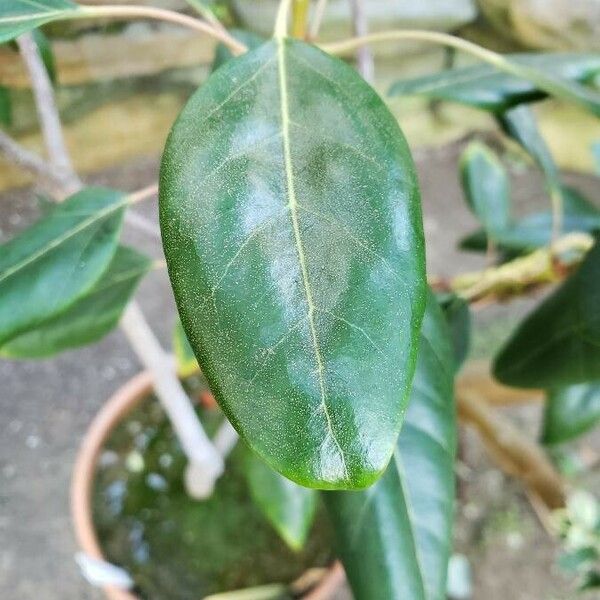
- 🍃 The Foliage: Thick, leathery, oval leaves that are deep glossy green on top and a distinctive silvery-glaucous color underneath.
- 🌳 Growth Habit: Usually grows as a large shrub or a small, multi-stemmed tree with smooth, grey-brown bark that becomes slightly textured with age.
🏡 In Your Garden
- 🌿 Soil Nuances: As a distant relative of Witch Hazel, the Silk Rose thrives in acidic, well-draining soil. It is quite sensitive to "wet feet," so ensuring your soil isn't heavy clay is key to preventing root rot.
- 🛡️ Wind Protection: While it is relatively hardy, those large, leathery leaves can act like sails in a storm. Planting it in a spot sheltered from harsh, drying winds will prevent leaf scorch and keep the delicate winter flowers from being blown off prematurely.
⚠️ Safety & Toxicity
- ✅ Status: Generally Non-Toxic.
- 🐾 Details: There are no widely reported cases of Rhodoleia henryi being poisonous to humans or common household pets. However, it is always best practice to discourage pets from chewing on ornamental shrubs to avoid mild digestive upset from the fibrous leaves.
✨ Fun Fact
Despite its common name "Silk Rose," this plant isn't related to roses at all! It belongs to the Hamamelidaceae family, which makes it a cousin to the Witch Hazel and the Sweetgum tree. Its flowers are specifically designed to be pollinated by birds, who sip nectar while hovering beneath the drooping blossoms.

Detailed Care Instructions

Place in a window with dappled sun or a spot in the middle of a room. Or directly in a window facing west or east.

The presence of a dry surface layer of soil does not indicate that the plant requires water. Instead, stick your finger 1-2" (3-5 cm) deep in the soil to feel dampness or moisture content. If the soil seems dry, it's time to water your greens. If the soil is still moist, however, it is better not to water your plant and instead wait a day or two. Overwatering or waterlogging raises the risk of root rot. So if the soil takes longer than a week to dry, check the light conditions because it's likely that the plant isn't getting enough light. It's fine if the upper layer of soil is dry between waterings, but the deeper soil layer should always have some moisture.








