Plant Overview
Often called the Dwarf Alpine Rose or Ground Cistus, this delicate mountain jewel is a rare find outside of the Eastern Alps. While it looks like a miniature rhododendron, it belongs to its own unique genus. In its native limestone crags, it forms breathtaking pink carpets that seem to glow against the grey rock, earning it a reputation as one of the most beautiful high-altitude wildflowers in Europe.
🔍 How to Identify
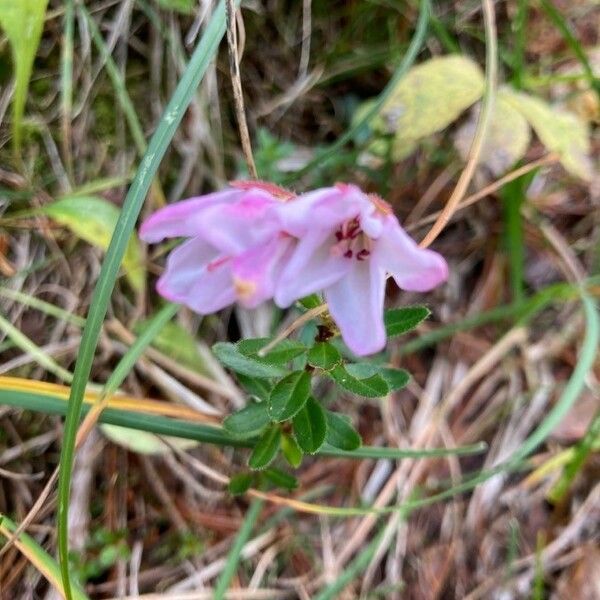
- 🌸 The Flowers: Large, saucer-shaped blossoms in shades of pale rose to deep pink. They feature five distinct petals and unusually long, elegant stamens that spray outward like tiny eyelashes.
- 🍃 The Foliage: Small, leathery, evergreen leaves that are oval in shape. If you look closely at the edges, you will see fine, bristly hairs that help the plant trap moisture in thin mountain air.
- 🪴 The Stature: A prostrate, woody shrublet that rarely grows taller than 20 centimeters. It spreads horizontally, hugging the ground to stay protected from harsh alpine winds.
🏡 In Your Garden
- ⛰️ The Limestone Paradox: Most members of the heath family (like Azaleas) demand acidic soil, but the Dwarf Alpine Rose is a "calciphile." It specifically craves limestone-rich, alkaline environments and will struggle or die in standard peat-heavy potting mixes.
- ❄️ Climate Needs: This plant is "fussy" because it requires a specific balance of cool, humid summers and very sharp drainage. It is best suited for specialized rock gardens or "trough" gardens where its roots can stay cool under stones while its foliage enjoys the sun.
⚠️ Safety & Toxicity
- 🚫 Status: Toxic if ingested.
- 🐾 Details: Like many of its relatives in the Ericaceae family, it contains grayanotoxins. If leaves or flowers are eaten by pets or curious children, it can cause digestive upset, drooping heart rate, or dizziness. Always wear gloves if you have sensitive skin, as the hairy leaves can sometimes cause mild irritation.
✨ Fun Fact
The name Rhodothamnus literally translates from Greek as "Rose Shrub," while chamaecistus means "ground rockrose." It is considered a "glacial relic," meaning it survived the last Ice Age by clinging to protected rocky outcrops that remained ice-free!

Detailed Care Instructions
To grow Rhodothamnus Chamaecistus, also known as the broomrape family plant or the false yellow rattle, follow these steps:
- Climate and Soil: Ensure that you are living in a region with a suitable climate for this plant. Rhodothamnus Chamaecistus prefers a Mediterranean climate with mild, moist winters and hot, dry summers. The soil should be well-draining, poor in nutrients, and preferably slightly acidic.
- Germination: Collect seeds from mature plants or purchase them from a reliable source. Scarify the seeds by gently scraping or sanding their outer coating to allow water absorption. Soak the seeds in water overnight.
- Planting: Fill small pots or seed trays with a well-draining, sandy soil mix. Sow the scarified seeds on top of the soil, pressing them gently into it. Cover the seeds lightly with a thin layer of soil or vermiculite.
- Moisture and temperature: Keep the soil moist but not saturated during germination, which usually takes 3-4 weeks. Maintain a temperature of around 15-20°C (59-68°F) to facilitate germination.
- Transplanting: Once the seedlings have developed a few mature leaves, transplant them into individual pots with well-draining soil. Keep them in a sheltered and partially shaded area until they establish their roots.
- Care: Water the plants regularly but avoid overwatering to prevent root rot. During its first year, protect the young plants from extreme heat or intense sunlight by providing shade or using shade cloth. Fertilizers are generally not necessary, as Rhodothamnus Chamaecistus prefers nutrient-poor soil.
- Pruning: After the first flowering season, you can trim back the plant, removing any dead or damaged branches. This will help maintain its shape and stimulate healthier growth for the following year.
- Overwintering: In colder regions, provide protection in winter by covering the base of the plant with mulch or straw to shield it from freezing temperatures.
Keep in mind that Rhodothamnus Chamaecistus can be a challenging plant to grow, especially in non-native regions. It is important to ensure the proper climate and growing conditions to increase the chances of success.

Place in a bright room that is sun drenched almost all day. Or directly in a south-facing window.

To ensure the proper watering of Rhodothamnus Chamaecistus plants, follow these guidelines:
1. Soil Moisture: Rhodothamnus Chamaecistus prefers consistently moist but well-draining soil. Before watering, check the soil moisture by inserting your finger about an inch deep into the soil. If it feels dry, it is time to water.
2. Watering frequency: Water the plant regularly during its active growing season, which usually lasts from spring to early fall. The frequency depends on various factors such as temperature, humidity, and soil type. Aim to keep the soil evenly moist but not soggy. Avoid letting the soil completely dry out between waterings.
3. Watering method: Instead of surface watering, consider using a soaker hose or drip irrigation to water at the root level. This ensures that the water reaches the plant's roots directly and minimizes the risk of fungal diseases.
4. Watering amount: When watering, provide enough water to saturate the soil to the root level but avoid overwatering, as it can lead to root rot. A general guideline is to provide around 1 inch of water per week, either through rainfall or manual watering.
5. Mulching: To maintain proper soil moisture, apply a layer of organic mulch around the base of the plant. Mulch helps to conserve moisture, regulate soil temperature, and suppress weed growth. However, make sure not to pile mulch against the stem, as it can cause stem rot.
6. Drought tolerance: It's important to note that Rhodothamnus Chamaecistus is a plant that can tolerate periods of drought. However, during extended dry periods, provide supplemental watering to ensure its optimal growth and overall health.
7. Seasonal adjustments: Adjust the watering schedule based on the changing seasons. During winter dormancy, reduce the watering frequency as the plant requires less moisture. Be cautious not to let the soil dry out completely, as some moisture is still necessary for the plant's survival.
Remember, these guidelines are general recommendations, and specific watering requirements may vary depending on your climate, soil conditions, and the maturity of your Rhodothamnus Chamaecistus plant. Observing the plant's response to watering and adjusting accordingly will help you provide the right amount of water to keep your plant thriving.
To fertilize the Rhodothamnus Chamaecistus plant, follow these instructions:
- Choose a balanced, water-soluble fertilizer with equal amounts of nitrogen (N), phosphorus (P), and potassium (K).
- Dilute the fertilizer according to the instructions on the packaging. Use a half-strength solution to avoid overfeeding the plant.
- Apply the fertilizer during the active growing season, typically in spring and summer.
- Water the plant thoroughly before applying the fertilizer to ensure the soil is moist.
- Pour the diluted fertilizer solution around the base of the plant, avoiding direct contact with the leaves. Do not apply the fertilizer on dry soil.
- Use a watering can or a gentle spray to distribute the fertilizer evenly and avoid causing damage to the plant's shallow roots.
- After applying the fertilizer, water the plant again to help the nutrients penetrate the soil and reach the roots.
- Avoid overfertilization, as it can lead to excessive foliage growth with reduced flower production.
- If the plant shows signs of nutrient deficiencies, such as yellowing leaves or stunted growth, consider adjusting the fertilizer dosage or switching to a specialized fertilizer formula.
- Regularly monitor the plant's growth and health, adjusting the fertilization routine as necessary based on its specific needs and indications of nutrient deficiencies or excesses.
Rhodothamnus Chamaecistus is a plant that belongs to the family Ericaceae. It is a small, low-growing shrub that is native to the alpine regions of Europe and North America.
When it comes to choosing the right soil for Rhodothamnus Chamaecistus, it is important to mimic its natural habitat as closely as possible. This plant thrives in acidic soil with a pH level between 4.5 and 6.0. Therefore, it is recommended to use a well-draining, acidic soil mix when cultivating this plant.
The soil mix should primarily consist of a combination of peat moss or sphagnum moss, pine bark, and sand. These components help to create a well-draining soil that retains some moisture while allowing excess water to drain away.
Peat moss or sphagnum moss provides acidity to the soil, which is beneficial for Rhodothamnus Chamaecistus as it prefers acidic conditions. Additionally, they help to retain moisture, which is especially important as this plant prefers consistently moist soil.
Pine bark acts as an organic component in the soil mix, helping to improve drainage and providing some nutrients to the plant. It also aids in maintaining the proper pH level for the plant's growth.
Adding sand to the soil mix further enhances drainage and prevents the soil from becoming overly compacted. This is crucial as excessive moisture or waterlogged soil can lead to root rot and other issues.
Overall, the recommended soil for Rhodothamnus Chamaecistus should be slightly acidic, well-draining, and able to retain some moisture. Creating a suitable soil environment for this plant will promote healthy growth and a thriving Rhodothamnus Chamaecistus specimen.
Rhodothamnus Chamaecistus, also known by its scientific name, is a beautiful flowering plant that can be propagated through various methods. Here's a detailed guide on how to propagate this plant:
- Seed Propagation: Collect ripe seeds from mature plants during the summer or fall. Ensure that the seeds are fully developed and appear healthy. Remove the seeds from the seed pods and clean them.
- Soak the seeds overnight in warm water to break their dormancy and improve germination.
- Fill a seed tray or pots with a well-draining propagation mix. Sow the seeds on the surface and cover them lightly with a thin layer of soil.
- Water the seeds gently, ensuring that the soil remains consistently moist but not waterlogged.
- Place the tray or pots in a warm and bright location, such as a greenhouse or a sunny windowsill.
- Germination may take several weeks to several months. Once the seedlings develop their second set of leaves, transplant them into individual pots filled with a suitable potting mix.
- Soak the seeds overnight in warm water to break their dormancy and improve germination.
- Semi-Hardwood Cutting Propagation: This method is typically done in late spring or early summer when the plant is actively growing and the stems are partially woody.
- Select healthy, mature stems that are still flexible and have not yet become fully woody. Cut a 4-6 inch cutting just below a leaf node.
- Strip off the lower leaves, leaving only a few on the top. Dip the cut end into a rooting hormone powder or liquid to promote root development.
- Fill a small pot or container with a well-draining rooting medium such as a mixture of perlite and peat moss.
- Create a hole in the rooting medium and insert the cutting, ensuring that at least one or two nodes are buried in the soil.
- Firmly press the soil around the cutting and water it thoroughly.
- Place the pot or container in a warm and humid environment, such as a propagating case or a plastic bag. Mist the cutting regularly to maintain humidity levels.
- After a few weeks, gently tug on the cutting. If you feel resistance, it means roots have developed. At this point, you can transfer the cutting to a larger pot with a suitable potting mix.
- Select healthy, mature stems that are still flexible and have not yet become fully woody. Cut a 4-6 inch cutting just below a leaf node.
- Division Propagation: This method is best done during early spring or fall when the plant is not actively growing or flowering.
- Carefully dig up the entire plant, trying to preserve as much of the root system as possible.
- Use a sharp and clean knife or garden spade to divide the plant into smaller sections. Each section should have its own set of roots and a portion of the stem.
- Trim off any damaged or unhealthy-looking root sections.
- Prepare individual pots or planting holes with well-draining soil. Plant each divided section into its respective pot or hole at the same depth it was previously growing.
- Gently firm the soil around the divided sections and water thoroughly.
- Keep the plants in a shaded area for a few days to reduce stress and help them establish.
Remember to monitor the propagated plants closely, providing them with appropriate care and environmental conditions until they become established.
- Carefully dig up the entire plant, trying to preserve as much of the root system as possible.








