Plant Overview
Known as the "Indestructible Hedge," Ribes alpinum, or the Alpine Currant, is a true workhorse of the northern garden. Originating from the cold mountain ranges of Europe and Siberia, this hardy deciduous shrub has earned a reputation for being nearly impossible to kill. Whether you are dealing with deep shade, heavy pruning, or urban pollution, this plant remains a lush, vibrant green from early spring until the frost hits.
🔍 How to Identify
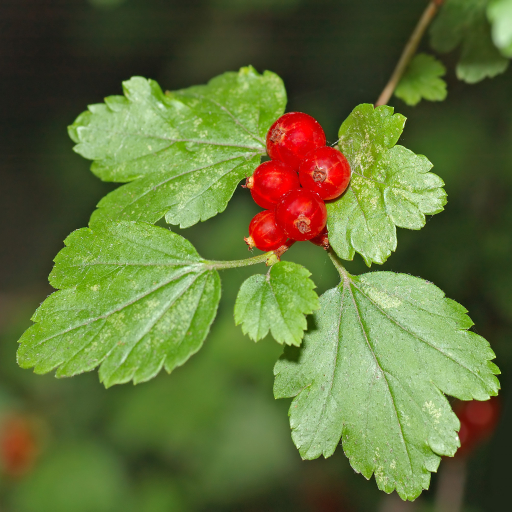
- 🍃 The Foliage: Look for small, three-lobed leaves with jagged (serrated) edges. They emerge early in the spring with a bright, "neon" green tint before maturing into a deep, glossy emerald.
- 🌼 The Flowers: In mid-spring, it produces upright clusters of tiny, greenish-yellow flowers. While not showy, they are a vital early-season nectar source for emerging pollinators.
- 🍒 The Berries: On female plants, small, translucent red berries appear in summer. Unlike the sweet garden currant, these are mostly tasteless, looking like shiny red beads tucked among the leaves.
🏡 In Your Garden
- 🌳 The Shade Specialist: While most shrubs get leggy and sparse in the dark, the Alpine Currant maintains a dense, compact form even under the heavy canopy of large trees.
- ✂️ Shape-Shifting Habit: Because it grows slowly and branches thickly, it is a favorite for "living walls" or formal hedges. You can shear it into crisp boxes or globes without worrying about damaging the plant’s health.
- 💪 Tough Roots: It is remarkably drought-tolerant once established and isn't picky about soil pH, making it ideal for difficult foundation plantings or rocky slopes.
⚠️ Safety & Toxicity
- ✅ Safe for All: Ribes alpinum is considered non-toxic to humans, dogs, and cats. It is a very "family-friendly" choice for high-traffic backyard areas.
- 😋 Edibility Note: While the berries are technically edible and safe to touch, they are generally described as "insipid" or bland. They lack the tart punch of a Red Currant, so most gardeners leave them for the birds to enjoy.
✨ Fun Fact
The Alpine Currant is often the very first shrub to "leaf out" in the spring. In many northern climates, it serves as the first sign that winter has officially broken, turning green weeks before the surrounding trees begin to bud!

Detailed Care Instructions
| Color | Green-Yellow |
| Soil Ph | 6.1-7.8 |
| Toxicity | Toxic |
| Soil Type | Moist, Well-Drained |
| Bloom Time | Spring |
| Plant Type | Shrub |
| Mature Size | 6 Feet Tall, 6 Feet Wide |
| Native Area | Central And Northern Europe |
| Sun Exposure | Full Sun |
| Hardiness Zones | 2-7 |
Here are some steps to help you grow Ribes Alpinum, commonly known as Alpine Currant:
- Planting location: Choose a location that receives full to partial sunlight. The soil should be well-draining and fertile. Prepare the planting area by removing any weeds, rocks, or debris.
- Planting time: Spring or fall is the best time to plant Ribes Alpinum. Avoid planting during extreme temperatures or frost.
- Dig a hole: Dig a hole slightly larger and deeper than the root ball of the Ribes Alpinum plant.
- Soil preparation: Mix organic matter, such as compost or well-rotted manure, into the soil to improve its fertility and drainage. This will provide the plant with essential nutrients.
- Planting the seedling: Gently remove the plant from its container and place it in the hole. Ensure that the top of the root ball is level with or slightly above the soil surface. Fill the hole with soil and firmly press it around the root ball to eliminate any air pockets.
- Watering: After planting, water the Ribes Alpinum thoroughly to settle the soil and provide moisture to the roots. Maintain regular watering to keep the soil evenly moist, especially during the first year of growth.
- Mulching: Apply a layer of organic mulch, such as wood chips or shredded leaves, around the base of the plant. This will help retain moisture, regulate soil temperature, and suppress weed growth.
- Pruning: Prune Ribes Alpinum in early spring or late winter to remove any dead, damaged, or overcrowded branches. This will promote healthy growth and maintain an attractive shape.
- Fertilizing: Apply a balanced fertilizer, such as a slow-release granular fertilizer, in early spring to provide additional nutrients to the plant. Follow the manufacturer's instructions for application rates.
- Regular maintenance: Monitor the Ribes Alpinum plant for any signs of pests or diseases, such as aphids or powdery mildew. Take appropriate measures, such as using organic pest control methods or fungicides, if necessary.
By following these steps, you should be able to successfully grow Ribes Alpinum and enjoy its attractive foliage and berries.

Place in a window with dappled sun or a spot in the middle of a room. Or directly in a window facing west or east.

To water this plant, make sure to regularly check the soil moisture by sticking your finger about an inch into the soil. Water the plant deeply and thoroughly, making sure the water reaches all parts of the root system. Avoid getting water on the leaves, as this can encourage the growth of fungal diseases. Water more frequently during hot and dry weather, and less frequently during cooler seasons. Provide good drainage and avoid over-watering, as this can lead to root rot.
To fertilize this plant, use a balanced fertilizer with an N-P-K ratio of 10-10-10 or 15-15-15. Apply the fertilizer in early spring before new growth appears and again in late summer after fruiting. Alternatively, you can use a slow-release fertilizer that will release nutrients continually over several months. Apply the slow-release fertilizer according to the instructions on the package. Always water the plant before and after fertilizing to avoid root burn. Avoid over-fertilizing, as this can lead to excessive foliage growth at the expense of fruit production.
It is recommended to use well-draining soil that is rich in organic matter for this plant species. The ideal soil pH range should be between 4.5 to 7.5. It is also important to avoid heavy or clay soils that may become waterlogged, as this can lead to root rot and other issues. Adding compost or other organic matter to the soil can help improve its drainage and nutrient content. Additionally, this plant prefers a partially shaded location that is protected from strong winds.
To propagate this plant, the first step is to take semi-ripe stem cuttings in late summer or early autumn. Select healthy shoots with several nodes and remove any leaves from the bottom half of the cutting.
Dip the cut end of the stem in a rooting hormone powder, tap off any excess, and place the cutting in a well-draining potting mix.
Water the cutting and place a clear plastic bag over the top to create a greenhouse effect. Keep the cutting in bright but indirect light and mist regularly to maintain moisture levels.
Once the cutting has rooted (usually within 4-6 weeks), remove the plastic bag and transplant into a larger pot or into the ground. Water regularly and provide some shade until the cutting is established.
Another method of propagation is by layering. This involves bending a low-growing branch down to the ground and covering it with soil. Leave the tip of the branch exposed and keep it well-watered. Roots will develop from the covered section of the branch and once established, it can be separated from the parent plant and transplanted.








