Plant Overview
Often called Catalina Perfume or the Evergreen Currant, Ribes viburnifolium is a coastal California native that bridges the gap between a shrub and a groundcover. It is famous for its "scent-on-contact" foliage, which releases a spicy, citrusy aroma reminiscent of pine and sage whenever a breeze passes through or a gardener brushes by. Originating from the Channel Islands, it has become a staple for water-wise landscapes looking for a touch of glossy, year-round green.
🔍 How to Identify
- 🌿 The Foliage: Small, oval, and leathery leaves that are a deep, lustrous green on top and paler underneath. They look almost as if they have been polished with wax.
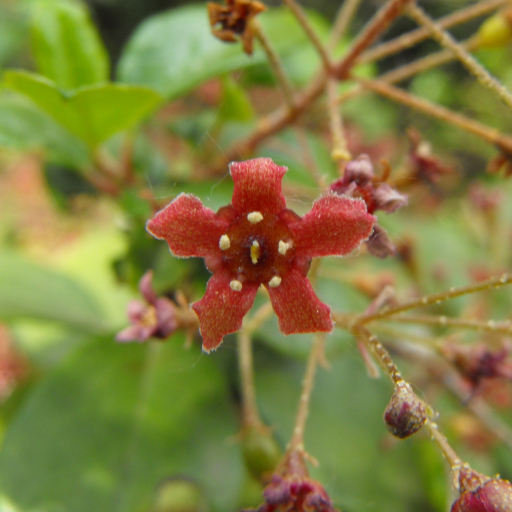
- 🍷 The Flowers: In late winter and early spring, it produces clusters of tiny, star-shaped flowers that are a rich wine-red or maroon color.
- 🍒 The Fruit: Following the blooms, the plant produces translucent, red-to-orange berries that are highly attractive to local bird populations.
- Stem habit: The stems are long, arching, and often a dark reddish-brown, trailing gracefully along the ground or spilling over walls.
🏡 In Your Garden
- 💧 The Dry Shade Specialist: This is one of the few plants that truly thrives in "dry shade"—the difficult areas under the canopy of large trees (like Oaks) where little else will grow.
- 🛑 Summer Dormancy: In its native habitat, it is used to dry summers. While it stays evergreen, it resents excessive "feet-wet" watering during the hottest months, which can lead to root rot.
- 🦋 Wildlife Hub: It is a high-value plant for pollinators; hummingbirds are drawn to the nectar in the burgundy flowers, and ground-foraging birds love the dense cover the arching branches provide.
⚠️ Safety & Toxicity
- ✅ General Safety: Ribes viburnifolium is considered non-toxic to humans and is generally safe to plant in gardens frequented by children.
- 🐾 Pet Friendly: There are no reported toxicity issues for cats or dogs, making it a safe alternative to more sensitive ornamental shrubs.
- 🍽️ Edibility Note: While the berries are technically edible and not poisonous, they are quite tart and seedy, generally tasting better to birds than to people.
✨ Fun Fact
In the wild on the Channel Islands, the branches of the Catalina Perfume often "self-layer." This means when a branch touches the moist soil, it grows its own roots, allowing a single plant to slowly and gracefully march across the forest floor over many years.

Detailed Care Instructions
To effectively grow Ribes Viburnifolium, also known as evergreen currant, follow these guidelines:
- Choose the right location: Ribes Viburnifolium thrives in well-draining soil and prefers full sun to partial shade. Select a site that receives at least a few hours of direct sunlight each day.
- Soil preparation: Before planting, improve the soil by amending it with organic matter such as compost or aged manure. This will provide necessary nutrients and enhance drainage.
- Plant propagation: Ribes Viburnifolium can be propagated from both seeds and cuttings. For seeds, collect them from ripe fruits and sow them in well-prepared soil. For cuttings, take 4-6 inch (10-15 cm) stem cuttings from the current season's growth, remove the lower leaves, and place them in rooting hormone. Plant the cuttings in well-draining potting soil.
- Watering: Ribes Viburnifolium is drought-tolerant, but it will benefit from regular watering during the establishment phase. Water deeply, allowing the soil to dry partially between waterings. Once established, it can survive on rainfall alone but will benefit from occasional watering during extended dry spells.
- Mulching: Apply a layer of organic mulch, such as wood chips or straw, around the base of the plant to conserve moisture, suppress weeds, and regulate soil temperature.
- Pruning: Prune Ribes Viburnifolium during the dormant season to remove dead or damaged branches, promote airflow, and maintain its desired shape. Cutting it back by about one-third of its total growth each year can help encourage dense growth.
- Fertilization: Ribes Viburnifolium generally does not require frequent fertilization, especially if grown in rich soil. However, applying a balanced, slow-release fertilizer in spring can provide an extra boost.
- Pest and disease management: Ribes Viburnifolium is relatively resistant to pests and diseases. However, occasional issues such as aphids or powdery mildew may arise. Monitor the plant regularly and address any problems promptly using appropriate horticultural remedies.
- Propagation: If you wish to grow additional Ribes Viburnifolium plants, you can propagate them through division. Dig up an established plant, divide it into smaller sections, and replant them in well-prepared soil. Ensure each division has a good amount of roots to enhance successful establishment.
By following these guidelines and providing proper care, you can successfully grow Ribes Viburnifolium and enjoy its evergreen foliage and attractive orange-red berries.

Place in a bright room that is sun drenched almost all day. Or directly in a south-facing window.

To properly water this plant, you should first check the soil moisture level by sticking your finger about one inch into the soil. If it feels dry, then it's time to water. Carefully pour water onto the soil around the base of the plant, being careful not to splash onto the leaves. Allow the water to soak into the soil deeply, ensuring it reaches the roots. It's important not to overwater, as this can lead to root rot. Finally, make sure to drain any excess water from the saucer or pot to prevent the roots from sitting in standing water.
To fertilize this plant, use a balanced fertilizer with an NPK ratio of approximately 10-10-10. Apply the fertilizer in the early spring before new growth appears and again in the summer after the first flush of growth has finished. Use caution not to over-fertilize, as this can lead to burn or damage to the plant. Follow the manufacturer's instructions for dosage and application method. Water the plant immediately after fertilizing to help distribute the nutrients throughout the soil.
The ideal soil for this plant is one that is well-draining, meaning that it doesn’t hold onto too much water. It should also be rich in organic matter, which helps to provide the plant with the nutrients it needs to grow. Additionally, the soil should be slightly acidic, with a pH between 5.5 and 6.5. This will help the plant to absorb the nutrients it needs more easily. It is also important to avoid soil that is too heavy or compacted, as this can make it difficult for the plant’s roots to grow and access the nutrients they need. A good option is to use a mix of sand, loam, and organic matter to create a well-draining, nutrient-rich soil for this plant.
To propagate this plant, take semi-hardwood cuttings from the parent plant in late spring or early summer. The cuttings should be around 4-6 inches long and have at least 2-3 leaves. Remove the leaves from the bottom inch of the cutting and dip the cut end in rooting hormone.
Prepare a pot or container with well-draining soil, and make a hole in the soil with a pencil or stick. Insert the cutting into the hole, making sure the leaves are above the soil. Firmly press the soil around the cutting.
Water the cutting thoroughly and cover the pot with a plastic bag. Place the pot in a bright, indirect light, but not in direct sunlight. Keep the soil moist but not waterlogged.
After 4-6 weeks, check the cutting for root development by gently tugging on it. If there is resistance, roots have developed, and the plant can be transferred to a larger pot or planted in the ground. If there is no resistance, continue to monitor the cutting for root development and adjust watering as needed.








