Plant Overview
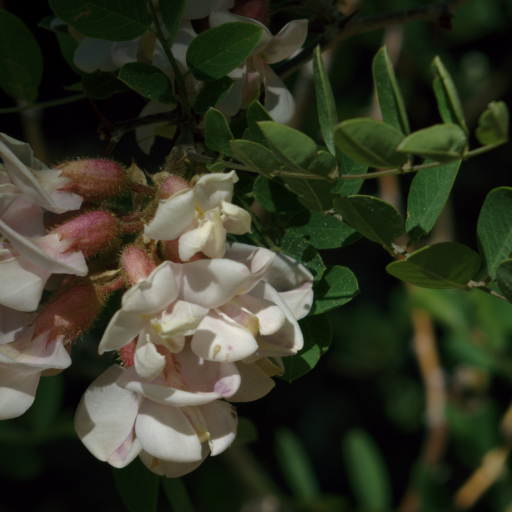
Often called the New Mexico Locust or Rose Locust, this hardy survivor turns the rugged canyons of the American Southwest into a fragrant paradise every spring. Known for its cascading clusters of pink blossoms that resemble wisteria, it acts as a pioneer species, bravely colonizing scorched or rocky soils where other plants fear to tread.
🔍 How to Identify
- 🌸 Showy Blooms: It produces drooping, 2- to 4-inch long clusters of pea-like flowers ranging from pale rose to deep magenta.
- 🍃 Feathery Foliage: The leaves are "pinnately compound," meaning they consist of 9 to 15 small, oval leaflets that give the tree an airy, delicate silhouette.
- 🌵 Armed Branches: Watch your fingers! The branches are guarded by sharp, paired spines (stipular thorns) located at the base of each leaf stalk.
🏡 In Your Garden
- 🏜️ Soil Architect: This plant is a "nitrogen-fixer," meaning it works with soil bacteria to pull nitrogen from the air and enrich the earth around it. It is perfect for restoring "dead" or nutrient-poor soil.
- 🏃 The Runner Habit: It spreads aggressively through underground suckers. While this makes it excellent for preventing erosion on slopes, it can become a maintenance challenge in a small backyard if not contained.
⚠️ Safety & Toxicity
- 🐕 Toxic to Livestock & Pets: Like many members of the Robinia genus, the bark, leaves, and seeds contain toxalbumins (like robin). It is especially dangerous to horses, causing weakness and digestive distress if grazed upon.
- 🧤 Physical Hazards: The thorns are stiff and sharp enough to puncture leather. Always wear thick gardening gloves and eye protection when pruning or clearing brush.
✨ Fun Fact
🏹 A Warrior's Wood: The wood of the New Mexico Locust is incredibly dense and rot-resistant. Because of its strength and flexibility, it was historically the preferred material for many Indigenous tribes in the Southwest to craft powerful hunting bows.

Detailed Care Instructions
To grow Robinia neomexicana (New Mexican locust), follow these steps:
- Climate and soil conditions: Robinia neomexicana is native to dry and arid regions, so it prefers full sun exposure and well-drained soil. It can tolerate various soil types, including sandy or gravelly soil.
- Planting: Prepare the planting area by removing any weeds or grass. Dig a hole twice as wide and deep as the root ball of the plant. Place the root ball in the hole, ensuring that the top of the root ball is level with the ground. Backfill the hole with soil, gently pressing it down around the roots. Water thoroughly after planting to settle the soil.
- Watering: While Robinia neomexicana is drought tolerant, it should be watered regularly during the first year to establish a strong root system. After the first year, it will require less frequent watering, as it is well adapted to low-water conditions.
- Mulching: Apply a layer of organic mulch, such as wood chips or bark mulch, around the base of the plant to help conserve moisture, suppress weed growth, and insulate the roots from extreme temperatures. Maintain a 2 to 3-inch layer of mulch around the plant, keeping it a few inches away from the trunk to prevent rot.
- Pruning: Prune Robinia neomexicana in late winter or early spring before new growth begins. Remove any dead, damaged, or crossing branches to improve airflow and maintain a healthy plant structure. Avoid excessive pruning, as it can lead to rapid regrowth and bushier growth.
- Fertilization: Robinia neomexicana is generally low maintenance and does not require heavy fertilization. If desired, you can apply a balanced slow-release fertilizer in the spring to provide some nutrients. Follow the fertilizer packaging instructions for appropriate dosage.
- Pest control: While not generally prone to severe pest or disease issues, Robinia neomexicana may occasionally face challenges like aphids or leafhoppers. Monitor your plant regularly and address any pest problems promptly using organic insecticidal soaps or other appropriate treatments.
Remember that growing conditions can vary, and it's important to observe and adjust your care routine based on the specific needs of your Robinia neomexicana plant.

Place in a bright room that is sun drenched almost all day. Or directly in a south-facing window.

To water this plant, ensure that the soil is dry to the touch about 1-2 inches below the surface. When watering, do so deeply and slowly, ensuring that the water penetrates the root zone of the plant. Avoid overwatering, as this can lead to root rot and other issues. Watering frequency will vary depending on factors such as temperature, humidity, and rainfall. It is recommended to water this plant more frequently during hot, dry weather and less frequently during cooler, wet weather.
To fertilize this plant, use a balanced slow-release fertilizer in the spring. Apply the fertilizer around the base of the plant, avoiding contact with the trunk or stem. Water the plant well after fertilizing to help the nutrients reach the roots. Do not over-fertilize, as this can damage the plant.
Robinia Neomexicana plant thrives best in well-drained soil. It requires soil with moderate moisture, good aeration, and adequate nutrients. Sandy and loamy soils are ideal for it, which are rich in organic matter and have a neutral pH. Additionally, the soil should have good drainage and be free from compaction, which will help with the plant's root development. It is essential to avoid using heavy soils, as the plant cannot withstand waterlogged or poorly-drained soils. A pH range of 6.0-7.5 is ideal for this plant. Adding compost or organic matter to the soil before planting can help to improve the soil's texture and provide nutrients for the plant's growth. Regularly amending the soil with organic matter and fertilizers can help to maintain the soil fertility, and ensure that the plant receives the required nutrients for optimal growth.
To propagate this plant, the first step is to collect mature seeds from a healthy parent plant. After collecting the seeds, they should be soaked overnight in water to soften their hard outer coating.
Next, fill a pot with well-draining soil and plant the seeds about 1 inch deep in the soil. Cover the pot with plastic wrap to create a mini greenhouse effect and keep the soil moist but not soaking wet.
The pot should be placed in a warm, bright area out of direct sunlight until the seeds germinate. Once the seedlings have sprouted, remove the plastic wrap and gradually acclimate them to brighter light and cooler temperatures.
Alternatively, the plant can also be propagated through stem cuttings. To do this, take a cutting from a healthy parent plant, making sure to include at least three leaf nodes. Remove the bottom leaves and dip the cut end in rooting hormone before planting it in well-draining soil.
The cutting should be kept moist and out of direct sunlight until it roots, which usually takes about 4-6 weeks. Once roots have formed, the new plant can be transplanted into a larger container or into a garden bed.








