Plant Overview
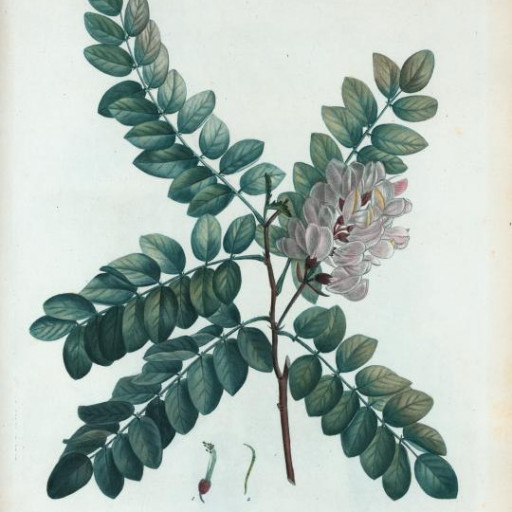
Commonly known as the Clammy Locust, Robinia viscosa is like the glamorous, albeit "sticky," cousin of the common Black Locust. Native to the Appalachian Mountains, this deciduous tree is beloved for its cascading clusters of pink, pea-like flowers that look remarkably like wisteria. It earned its unusual name from the glandular, sticky hairs that cover its young branches and seed pods, giving them a distinctively tacky feel to the touch.
🔍 How to Identify
- 🌸 The Blooms: Features beautiful, scentless rose-pink to pale purple flowers that hang in dense, pendulous racemes during late spring and early summer.
- 🌿 The Foliage: Leaves are pinnately compound, consisting of 11 to 27 small, oval leaflets that give the tree a soft, feathery appearance.
- 🍯 The "Clammy" Texture: New twigs, leaf stalks, and seed pods are covered in dark, sticky glandular hairs that feel like cooling sap or glue.
🏡 In Your Garden
- 🌱 Soil Improver: Like other legumes, the Clammy Locust is a nitrogen-fixer. It actually "manufactures" its own fertilizer by pulling nitrogen from the air and storing it in its roots, making it an excellent choice for reclaiming poor or sandy soils.
- 💨 Structural Nuance: While it grows quickly and provides lovely dappled shade, its wood is notoriously brittle. It is best planted in a spot sheltered from high winds to prevent branches from snapping.
- 🌳 Growth Habit: Be aware that it loves to "sucker." It can spread via underground runners to form dense thickets, so it requires regular pruning if you want to keep it as a standalone specimen tree.
⚠️ Safety & Toxicity
- 🚫 Status: Toxic to humans and animals.
- 🐾 Pet & Livestock Warning: The bark, leaves, and particularly the seeds contain toxic proteins called robin and phasine. If ingested by horses, dogs, or curious children, it can cause severe gastrointestinal distress, weakness, and depression of the central nervous system.
- 🧤 Skin Sensitivity: While not as irritating as Poison Ivy, the sticky sap can be a nuisance to wash off, and some sensitive individuals may experience mild skin irritation after heavy pruning.
✨ Fun Fact
The "clammy" resin on the stems isn't just for show—it serves as a sophisticated defense mechanism! Scientists believe the sticky coating acts like a natural "flypaper," trapping or discouraging small crawling insects from climbing the branches to eat the delicate flowers and developing seeds.

Detailed Care Instructions
To grow Robinia Viscosa (also known as the clammy locust or false acacia), follow these steps:
- Location: Choose a sunny spot in your garden that receives full sunlight for at least 6-8 hours a day. The soil should be well-draining.
- Soil preparation: Prepare the soil by loosening it and removing any weeds or rocks. Amend the soil with organic matter like compost or well-rotted manure to improve fertility and drainage.
- Planting: Dig a hole that is slightly larger than the plant's root ball. Place the plant in the hole and backfill with soil. Make sure the top of the root ball is level with the surrounding soil. Gently firm the soil around the plant to eliminate air pockets.
- Watering: Water the plant thoroughly after planting to settle the soil. Maintain moist soil during the establishment period, but be careful not to overwater as it can lead to root rot. Once established, water deeply but infrequently, allowing the top few inches of soil to dry out between waterings.
- Mulching: Apply a layer of organic mulch around the base of the plant to conserve moisture, regulate soil temperature, and suppress weed growth. Keep the mulch a few inches away from the plant stem to prevent rotting.
- Pruning: Prune Robinia Viscosa in late winter or early spring to remove any dead, damaged, or crossing branches. This will promote healthy growth and a desired shape. Additionally, you can remove suckers that may appear around the base of the plant to maintain a neat appearance.
- Fertilizing: Robinia Viscosa generally thrives in average soil conditions and may not require regular fertilization. However, if growth seems slow or leaves appear yellowish, you can apply a balanced, slow-release fertilizer in early spring.
- Pests and diseases: The clammy locust is generally a hardy plant but can occasionally be susceptible to pests like aphids or leafhoppers. Monitor the plant for any signs of infestation and treat accordingly with organic pest control methods if necessary. Additionally, provide good air circulation around the plant to prevent diseases like powdery mildew.
Remember to research the specific needs and growing requirements of Robinia Viscosa to ensure optimal care for your plant.

Place in a bright room that is sun drenched almost all day. Or directly in a south-facing window.

To water this particular plant, you should consider the surrounding environment and soil type. It's important to make sure that the soil is moist, but not waterlogged. You can also check the top layer of soil with your finger to ensure that it's not dry. A good rule of thumb is to water the plant deeply once a week rather than shallowly every day. Additionally, you should try to provide the plant with water in the early morning or late afternoon to avoid evaporation. If the leaves start to yellow or droop, it may be an indication that the plant is not getting enough water.
- Choose a balanced fertilizer with equal amounts of nitrogen, phosphorus, and potassium.
- Apply the fertilizer in early spring before new growth appears.
- Use a slow-release fertilizer to provide nutrients over a longer period of time.
- Spread the fertilizer evenly around the base of the plant, avoiding contact with the stem or leaves.
- Water the plant deeply after fertilizing to help distribute the nutrients.
- Do not fertilize during hot, dry periods or in the fall, as the plant is preparing for winter dormancy.
- Monitor the plant for signs of over-fertilization, such as yellowing leaves or stunted growth.
- Adjust the amount and frequency of fertilization as needed based on the plant's growth and health.
Robinia Viscosa is a plant that thrives in rich, well-drained soil. It requires soil that is moist but not waterlogged. To ensure optimal growth, it is recommended to use a soil mix consisting of 2 parts loam, 1 part sand, and 1 part peat moss. The pH level of the soil should range between 5.5 and 7.5. It is important to avoid using heavy or clay soils, as they may lead to waterlogged roots and cause the plant to suffocate. Additionally, organic matter can be added to the soil to provide nutrients to the plant.
To propagate this plant, you will need to take a cutting from its stem. Choose a stem that is at least 6 inches long and has several leaves. Use a sharp, clean pair of scissors or pruning shears to make a clean cut at a 45-degree angle just below a node (where a leaf attaches to the stem).
Strip off the leaves from the bottom half of the stem. Dip the cut end in rooting hormone powder, which can be found at most garden centers or online.
Fill a small container with a well-draining potting mix. Make a hole in the soil with your finger and insert the cutting, gently pressing soil around it to hold it upright. Water the soil until it is moist but not waterlogged.
Cover the container with a plastic bag or plastic wrap to create a mini greenhouse. Place it in a bright, warm spot, away from direct sunlight and drafts.
Check the soil regularly and water as needed to keep it moist but not waterlogged. After a few weeks, gently tug on the cutting to see if it has rooted. If you feel resistance, it has successfully rooted. Remove the plastic covering and continue to care for the plant as usual.








