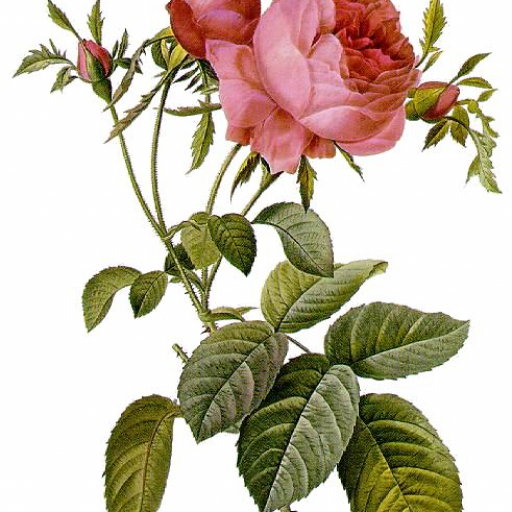
Plant Overview
Known as the "Cabbage Rose" or "Provence Rose," Rosa centifolia is the quintessential "old garden rose." Its name literally translates to "hundred-leaved," a nod to the dense, multi-layered blooms that resemble a head of cabbage. This rose is world-famous for its intoxicating, honey-like fragrance and has been the heart of the French perfume industry in Grasse for centuries.
🔍 How to Identify
- 🌸 The Bloom: Large, heavy, globose flowers packed with up to 100 thin, overlapping petals that curve inward. They are most commonly seen in shades of clear pink.
- 🍃 Foliage: The leaves are typically a soft, matte grey-green with serrated edges, usually appearing in groups of five to seven leaflets.
- 🥀 Growth Habit: A lanky, arching shrub that can reach up to 6 feet tall. Because the flower heads are so heavy, the branches often droop gracefully toward the ground.
🏡 In Your Garden
- 🌬️ Air Circulation: Because the petals are so tightly packed, they can trap moisture easily. Plant them in a spot with excellent air movement to prevent "balling" (where buds rot before opening) and powdery mildew.
- ✂️ Pruning Timing: Unlike modern hybrid roses, the Cabbage Rose usually only blooms once a year in early summer. Avoid heavy winter pruning; instead, prune it immediately after its summer flowering to ensure you don't cut off next year's buds.
⚠️ Safety & Toxicity
- ✅ Non-Toxic: This rose is considered safe and non-toxic for cats, dogs, and horses.
- 🌵 Physical Hazard: While chemically safe, the stems are heavily armed with a mix of large curved thorns and smaller prickles. Always wear thick gauntlet-style gloves when pruning or harvesting for bouquets.
✨ Fun Fact
- 🎨 The Painter's Rose: Rosa centifolia is frequently called the "Rose of the Painters." It was a favorite subject for 17th-century Dutch masters, appearing in countless classic still-life oil paintings due to its complex, voluminous shape.

Detailed Care Instructions
| Lighting | Full Sun |
To grow a Rosa Centifolia plant, also known as a hundred-petaled rose or cabbage rose, follow these steps:
- Choose a suitable location: Select a sunny spot in your garden with well-drained soil for planting the Rosa Centifolia plant. This rose variety prefers full sun exposure to thrive.
- Prepare the soil: Before planting, amend the soil by adding organic matter like compost to improve drainage and fertility. Break up any clumps of soil and remove rocks or weeds.
- Planting: Dig a hole that is wide and deep enough to accommodate the plant's roots. Gently place the Rosa Centifolia plant in the hole and backfill with soil, ensuring that the bud union (the area where the rose is grafted onto the rootstock) is at or slightly above ground level.
- Watering: After planting, water the rose thoroughly to settle the soil around the roots. Ensure that the plant receives adequate water during its initial establishment period. Subsequently, water regularly to keep the soil moist but not waterlogged.
- Mulching: Apply a layer of organic mulch, like wood chips or compost, around the base of the plant to help retain moisture and suppress weed growth. Leave some space around the stem to prevent rot.
- Fertilizer: Feed the Rosa Centifolia plant with a balanced rose fertilizer according to the package instructions. Apply fertilizer in early spring when new growth begins and repeat every 6-8 weeks during the growing season.
- Pruning: Prune the plant annually to remove dead, diseased, or damaged wood. Additionally, perform light pruning to shape the plant and encourage healthy growth. Heavy pruning can be done in early spring to rejuvenate the plant.
- Disease and pest control: Monitor the rose plant for any signs of diseases, such as black spot or powdery mildew, and treat accordingly. Regularly inspect the plant for pests like aphids or spider mites, and use organic or chemical controls as needed.
- Winter care: Rosa Centifolia plants generally tolerate cold temperatures, but if you experience severe winters, provide protection by mounding soil or mulch around the base of the plant. This will help insulate the roots and protect them from freezing.
- Enjoy and appreciate: Finally, sit back, relax, and enjoy the beautiful blooms and fragrance of your Rosa Centifolia plant. Regularly deadhead spent flowers to encourage further blooming.
Remember to have patience and care for your Rosa Centifolia plant as it establishes and grows. With proper maintenance and attention, you can enjoy the beauty and fragrance of these magnificent roses.

Place in a bright room that is sun drenched almost all day. Or directly in a south-facing window.

To water this plant, one should first check the soil's moisture level by inserting a finger approximately two inches deep into the soil. If the soil feels dry, it's time for watering. The plant requires a sufficient amount of water to soak into the soil, and it's important not to overwater it as this can cause the roots to rot. One should water the plant at the base, being careful not to wet the leaves as this can lead to fungal diseases. Watering should be done in the morning or evening when temperatures are cooler, which will allow the plant to absorb the water better. It's also essential to ensure adequate drainage in the pot or planting area to avoid waterlogging.
To fertilize this plant, begin by choosing a balanced fertilizer with a ratio of 10-10-10 or 20-20-20. Apply the fertilizer to the soil around the base of the plant in early spring before new growth appears and again in the middle of summer. Water the plant thoroughly after fertilizing to help the nutrients penetrate the soil. Avoid fertilizing in the fall as this can stimulate new growth that may not have enough time to properly harden off before winter.
The best soil for Rosa Centifolia plant is rich and loamy, with good drainage and a pH of 6.0-7.0. It should be composed of a mixture of organic matter such as compost, leaf mold, and well-rotted manure. The soil should be moist but not waterlogged, with good aeration to allow oxygen to reach the plant's roots. It should also be free of any herbicides or pesticides that may harm the plant. Regular fertilization with a balanced fertilizer will help promote healthy growth and beautiful blooms.
The propagation process for this plant involves taking a cutting or a stem from the parent plant. The stem should be approximately 6 inches long and have 2-3 buds on it.
Once the stem is collected, remove all the leaves from the bottom of the stem, leaving only a few leaves at the top. Dip the end of the stem in rooting hormone powder before planting it in a pot filled with potting soil.
Water the plant, and cover it with a plastic bag to create a greenhouse effect. Keep the plant in a warm area that receives indirect sunlight. Check the soil moisture level regularly and water the plant when necessary.
After a few weeks, new growth should appear. At this point, remove the plastic bag and gradually expose the plant to more sunlight. Once the plant has grown enough to transplant, it can be moved to a larger pot or planted in the ground.








