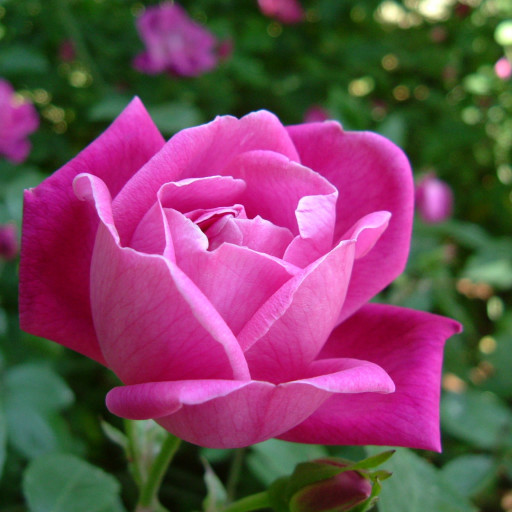
Plant Overview
The China Rose, often called the "Monthly Rose," is a botanical legend that changed the face of gardening forever. Native to Southwest China, this species introduced the world to "repeat blooming," allowing gardens to stay colorful from spring until the first frost. Unlike many European roses that bloom once and quit, the Rosa chinensis is a tireless performer with a poetic tendency for its petals to darken as they age.
🔍 How to Identify
- 🌿 The Foliage: Look for glossy, dark green leaves divided into three to five oval-shaped leaflets with finely toothed edges.
- 🌸 The Blooms: Flowers can be single (five petals) or semi-double, often appearing in small clusters. They are famous for their "color-changing" ability, deepening from pale pink to crimson as they mature.
- 🥀 The Stems: Its branches are relatively slender and graceful, armed with hooked, reddish prickles (thorns) that help it scramble or stand tall.
🏡 In Your Garden
- ☀️ Sun Seekers: This plant is a powerhouse of energy; it requires at least six hours of direct sunlight to maintain its signature "forever blooming" habit.
- 🌬️ Breathe Deep: Because it has a compact, bushy growth habit, it needs plenty of air circulation. Crowding it against walls or other plants can lead to "Black Spot," a common fungal drama for roses.
- ✂️ Deadheading Rewards: To keep the show going, snip off faded flowers. This tells the plant to stop making seeds (rose hips) and start making more beautiful buds instead.
⚠️ Safety & Toxicity
- 🟢 Non-Toxic Status: The China Rose is generally considered safe and non-toxic for cats, dogs, and humans.
- 🌵 Thorn Warning: While not poisonous, the sharp prickles can cause significant skin irritation or punctures. Always wear thick gardening gloves when pruning or relocating this beauty.
- 🍴 Chemical Caution: If you plan to use the petals for tea or garnish, ensure the plant hasn't been treated with systemic pesticides or "Rose 3-in-1" sprays, which are toxic if ingested.
✨ Fun Fact
Most modern roses in your local flower shop owe their existence to the China Rose! Before it was introduced to Europe in the late 1700s, roses only bloomed once a year. The Rosa chinensis passed on its "re-blooming gene" to almost every Hybrid Tea and Floribunda rose grown today.

Detailed Care Instructions
| Color | Variable |
| Lighting | Full Sun |
| Soil Type | Rich, Well-Drained Soil |
| Bloom Time | From June To September |
| Plant Type | Deciduous Shrub |
| Mature Size | Up To 600 Cm |
| Native Area | China |
| Sun Exposure | Full Sun |
| Hardiness Zones | 5 To 9 (Usda) |
To grow Rosa chinensis plants, also known as China roses or Rosa semperflorens, follow these steps:
- Choose a suitable location: China roses prefer a sunny spot with well-draining soil. Ensure the location has at least 6-8 hours of direct sunlight.
- Prepare the soil: The soil should be fertile and well-draining. Amend the soil with organic matter like compost or well-rotted manure to improve its structure and nutrients.
- Planting: Dig a hole slightly larger than the root ball of the plant. Place the plant in the hole, ensuring that the bud union (a swollen area where the rose is grafted onto the rootstock) sits just above the soil level. Fill the hole with soil, gently firming it around the plant.
- Watering: After planting, water the rose well to settle the soil and provide moisture to the roots. Water regularly, allowing the soil to dry out slightly between waterings. Avoid overwatering, as roses don't like sitting in wet soil.
- Mulching: Apply a layer of mulch around the base of the plant to help retain moisture, suppress weeds, and regulate soil temperature. Organic mulches like wood chips or straw work well.
- Fertilizing: Feed the rose bush with a balanced rose fertilizer in early spring when new growth appears, and again after the first flush of blooms. Follow the package instructions for application rates. Avoid over-fertilizing, as it can lead to excessive foliage growth and fewer blooms.
- Pruning: Prune China roses in late winter or early spring before new growth begins. Remove any dead, damaged, or crossing branches. Prune back one-third of the plant's height to encourage new growth and create a more compact shape.
- Pests and diseases: Monitor the plant regularly for common rose pests like aphids, thrips, or spider mites. Treat any infestations promptly using organic or chemical controls. Watch out for diseases such as black spot or powdery mildew and take preventive measures like providing good air circulation and avoiding overhead watering.
- Support: Depending on the variety and growth habit of the China rose, you may need to provide support in the form of stakes or trellises to prevent the plant from sagging or sprawling.
- Enjoy the blooms: With proper care, China roses will reward you with vibrant flowers throughout the growing season. Regularly deadhead spent blooms to encourage more blooms and remove any faded or diseased foliage to maintain plant health.
Remember to research the specific needs and recommendations for the particular variety of Rosa chinensis you are growing, as care can vary slightly between cultivars.

Place in a window with dappled sun or a spot in the middle of a room. Or directly in a window facing west or east.

To water this plant, it is important to check the soil moisture before watering. Stick your finger about two inches deep into the soil to check if it feels dry. If it does, water the plant thoroughly but make sure not to overwater it. Make sure there is proper drainage in the pot or container. It is also beneficial to water the plant in the morning to avoid any water sitting on the leaves overnight. Use room temperature water and avoid getting water on the leaves as this can encourage fungal growth.
To fertilize the plant, use a balanced fertilizer with equal proportions of nitrogen, phosphorus, and potassium. Apply the fertilizer in early spring, before the plant starts blooming. It is also a good idea to fertilize after the first flush of flowers have faded. Spread the fertilizer evenly around the root zone of the plant and lightly work it into the soil. Water the plant immediately after fertilization to help the fertilizer soak into the soil. Avoid fertilizing in hot weather or drought conditions, as this can stress the plant and lead to fertilizer burn.
The ideal soil for the Rosa Chinensis plant should be well-draining, moist, and rich in nutrients. It should have a pH level of 6.5 to 7.5, slightly acidic to neutral. The soil should be loamy, meaning it should be a combination of sand, silt, and clay particles. It should also have good aeration and should not become compacted easily. Organic matter such as compost, well-aged manure, or leaf mold should be added to the soil to improve its fertility and structure. Avoid using heavy clay soils, as they tend to stay wet and can cause root rot. Similarly, sandy soils may not retain enough moisture and nutrients for this plant. It is recommended to amend the soil before planting by mixing in compost and other organic materials.
To propagate this plant, first select a healthy stem from the parent plant that is free from disease or damage. Using a sharp, sterilized knife or scissors, make a clean cut at a 45-degree angle just below a node or leaf. Remove any leaves or flowers from the bottom two-thirds of the stem, and dip the cut end in rooting hormone powder to encourage root growth. Fill a small container with moist, well-draining potting soil and make a hole in the center. Insert the prepared stem into the hole and gently pack the soil around the base of the stem to hold it upright. Cover the container with a plastic bag or clear plastic dome to create a greenhouse-like environment that will help the stem retain moisture and encourage root growth. Keep the container in a warm, bright location out of direct sunlight and mist the stem and soil lightly with water every few days to keep it moist. Within a few weeks, the stem should begin to develop roots. Once roots have formed, remove the plastic covering and gradually acclimate the new plant to more sunlight and less humidity.








