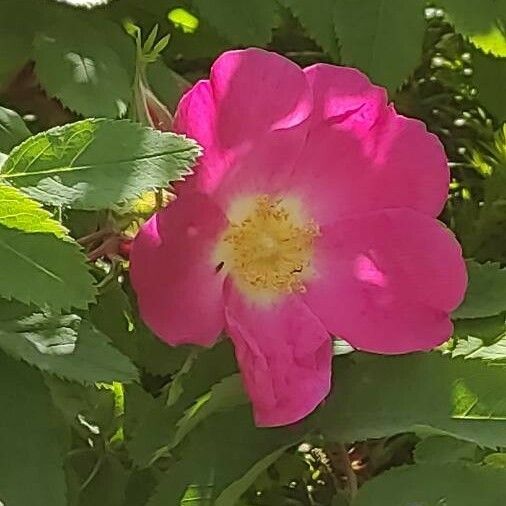
Plant Overview
Affectionately known as the Many-bracted Rose, this wild beauty is a gift from the high mountain valleys of Western China. Unlike the heavy-headed hybrid roses in your local florist, this species retains a delicate, airy elegance that feels like a whisper from the Sichuan wilderness. It is prized by collectors for its unique botanical architecture and its ability to withstand colder climates that would wither more sensitive garden roses.
🔍 How to Identify
- 🌸 Flower Clusters: It produces charming, small blossoms in shades of lilac-pink to soft mauve. These usually appear in small groups rather than as solitary flowers.
- 🌿 Fern-like Foliage: The leaves are exceptionally small and delicate, often consisting of 7 to 9 tiny leaflets, giving the entire shrub a feathery, fern-like texture.
- 🍂 The Bracts: Its most defining feature is the abundance of "bracts" (specialized small leaves) that crowd around the base of the flower stalks, creating a dense, leafy look beneath the blooms.
- 🔴 Bristly Hips: After the flowers fade, it produces small, rounded red fruits (hips) that are often covered in tiny, sticky hairs or bristles.
🏡 In Your Garden
- ⛰️ Mountain Resilience: Because it hails from high altitudes, it is remarkably hardy. It prefers well-drained soil and can tolerate windier, more exposed sites better than most ornamental roses.
- 🕊️ Wild Habit: This rose has a graceful, arching growth habit. It doesn't like to be pinned down or pruned into rigid shapes; it is best left to scramble over a fence or used as a "living security screen" due to its dense branching.
- 🦋 Wildlife Magnet: Its open-faced flowers are a goldmine for pollinators who struggle with the multi-petaled "cabbage" style roses. Bees can easily reach the pollen here.
⚠️ Safety & Toxicity
- 🩹 Physical Hazard: While the plant is not chemically toxic, it is heavily armed. It features straight, sharp prickles that can easily pierce standard gardening gloves.
- 🐾 Pet & Child Safety: The petals and hips are generally considered non-toxic if accidentally nibbled. However, the thorns pose a significant risk of scratches or eye injuries for curious pets and children playing nearby.
- 🧤 Handling Tip: Always wear gauntlet-style leather gloves when pruning this species to protect your forearms.
✨ Fun Fact
This species was first introduced to the Western world by the legendary plant hunter Ernest "Chinese" Wilson in 1910. He braved treacherous mountain passes to bring these seeds back, forever changing the landscape of English and American "wild" gardens.

Detailed Care Instructions
To grow Rosa Multibracteata plant, also known as Seven-sisters Rose, you can follow these steps:
- Choose the right planting location: Rosa Multibracteata prefers full sun to partial shade, so select a spot in your garden or yard that gets at least 6 hours of direct sunlight per day. Ensure that the soil is well-draining and rich in organic matter.
- Propagation: There are two primary methods to propagate Rosa Multibracteata – through seeds or cuttings.
- Seeds: Collect the seeds from the rosehips (fruit) of the plant in autumn when they are ripe. Soak the seeds in water for 24 hours before planting. Sow the seeds in a seed tray or a small pot filled with moist seed-starting mix. Keep the soil consistently moist, and the seeds will germinate within 2-3 weeks.
- Cuttings: Take semi-ripe cuttings during late summer or early autumn when the plant is actively growing. Choose a healthy stem with no flowers or buds. Cut a 6-inch long cutting just below a node (the point where the leaf is attached to the stem). Remove the bottom leaves, leaving only two to four leaves on the upper part. Dip the cut end in rooting hormone powder and plant it in a well-draining potting mix. Keep the soil slightly moist and warm, and new roots will form within a few weeks.
- Transplanting: Once the plants have developed a good root system or the seedlings have grown to a suitable size, transplant them into their permanent location. Dig a hole twice as wide and deep as the root ball or pot. Place the plant in the hole and backfill with soil, gently firming it around the roots. Water thoroughly after planting.
- Watering: Rosa Multibracteata enjoys moist soil, so keep it consistently watered, especially during the summer months. Ensure the plant receives around 1 inch of water per week. However, avoid overwatering, as it may cause root rot.
- Fertilizing: Feed your Rosa Multibracteata plant with a balanced rose fertilizer in spring, after the last frost. Follow the package instructions for application rates. Repeat the fertilization every 4-6 weeks during the growing season.
- Pruning: Prune Rosa Multibracteata in late winter or early spring when it is dormant. Remove any dead, diseased, or weak branches. Shape the plant if desired, but avoid extensive pruning, as this rose is best left to grow naturally.
- Support: As Rosa Multibracteata grows, it may require support due to its sprawling nature. Provide a trellis, arbor, or other structures for the plant to climb and spread on.
- Pest and disease control: Regularly inspect your rose plant for common pests like aphids, spider mites, and Japanese beetles. Treat them with appropriate insecticides or use organic remedies like neem oil or insecticidal soap. Additionally, monitor for diseases like powdery mildew or blackspot and promptly treat them with fungicides or organic alternatives.
By following these steps, you can grow and enjoy the beautiful Rosa Multibracteata plant in your garden.

Place in a bright room that is sun drenched almost all day. Or directly in a south-facing window.

To water this particular plant, it is important to water it deeply and thoroughly so that the roots can absorb the moisture. It is essential to make sure that the soil is always moist, but not waterlogged or soggy. The amount of water required may depend on the humidity level in the environment, the size of the pot or planting area, and the stage of growth. To check if the plant is receiving enough water, you can do a soil moisture test by inserting your finger 1-2 inches into the soil. If the soil feels dry, it may be time to water the plant. It is also important to note that this plant may be sensitive to over-watering, so it is crucial to avoid allowing water to sit in the saucer or tray under the pot. It is best to water this plant in the early morning or late evening when temperatures are cooler to reduce water evaporation.
To fertilize this plant, first choose a nutrient-rich, balanced fertilizer with an equal proportion of nitrogen, phosphorus, and potassium. Apply it once every three weeks from spring until early fall, making sure to water the soil thoroughly before and after fertilization. Be sure to follow the package instructions carefully, and avoid over-fertilization, as excess nutrients can damage the plant.
The best soil for Rosa Multibracteata should be well-draining and fertile. It should be rich in organic matter such as compost or well-rotted manure, and have a slightly acidic pH level between 6.0 and 6.5. The plant prefers a sandy loam soil that is not too heavy and can retain moisture but not be waterlogged. It also requires good drainage to prevent root rot. The soil should be prepared by mixing in some compost or other organic matter and should be dug to a depth of at least 12 inches to aerate the soil and improve drainage. The plant can also benefit from regular fertilization during the growing season.
Propagation of this plant can be done through various methods such as cuttings, layering, and seeds. Cuttings should be taken from healthy and disease-free stems, with each cutting consisting of at least four nodes and a few leaves. Make a clean cut at a 45-degree angle, remove the lower leaves, and dip the base of the cutting into rooting hormone before planting it into a well-draining potting mix. Water the cutting regularly and keep it in a warm, bright location until roots have formed.
Another method of propagation is layering, where a stem of the plant is bent towards the ground and partially buried in soil, with the tip remaining above ground. This will encourage the stem to form roots at the point of contact with the soil. Once the roots have formed, the new plant can be separated from the parent plant.
Seeds can also be collected from the plant and sown in a potting mix. The seeds should be planted shallowly and kept moist until they germinate, which can take anywhere from one to several months. Once the seedlings have developed enough, they can be transplanted into individual pots and grown until they are ready to be planted in the garden.








