Plant Overview
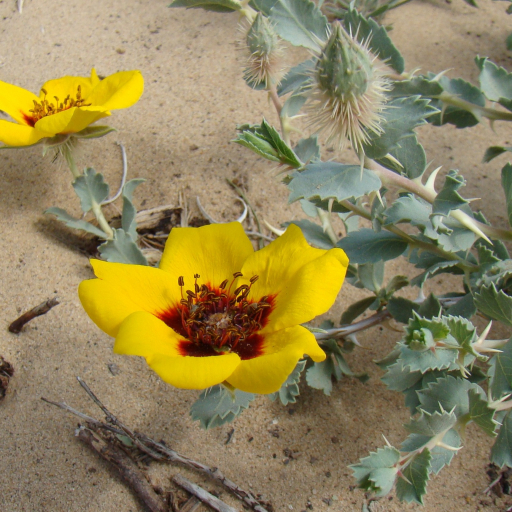
Known as the "Fried Egg Rose" or the "Persian Rose," Rosa persica is a botanical rebel that looks more like a poppy than a traditional garden rose. Native to the harsh, arid deserts of Central Asia and Iran, this plant has fascinated gardeners for centuries with its distinctive "eye." While most roses evolved in more temperate climates, this species thrives where others wither, offering a wild, sun-drenched aesthetic to any collection.
🔍 How to Identify
- 👁️ The Central Blot: The most striking feature is the dark maroon or chocolate-colored "eye" at the base of each petal, creating a sharp contrast with the flower's primary color.
- 🍳 Single Blooms: Unlike the dense, ruffled layers of tea roses, these flowers usually have only five simple petals, giving them a flat, open, "fried egg" appearance.
- 🍃 Simple Leaves: Most roses have compound leaves (multiple leaflets on one stem), but Rosa persica often sports simple, individual leaves with jagged edges, a rare trait in the rose world.
🏡 In Your Garden
- ☀️ Sun Seeker: This plant is a true desert dweller. It craves intense, direct sunlight and will become leggy and prone to disease if kept in the shade.
- 🏜️ Drought Specialist: It is exceptionally drought-tolerant once established. It prefers "lean" soil and hates having "wet feet," so ensure your potting mix or garden bed drains rapidly.
- 🏗️ The Deep Taproot: It grows a long, stubborn taproot to find water deep underground. This makes it very difficult to transplant, so you should pick its permanent home with care to avoid killing the plant during a move.
⚠️ Safety & Toxicity
- 🩹 Physical Hazard: While the plant is not chemically toxic, it is heavily armed. It features sharp, hooked prickles along its stems that can easily snag skin or clothing.
- 🐾 Pet Safety: It is generally considered non-toxic to dogs, cats, and horses. However, the thorns pose a physical risk to curious pets who might try to sniff or chew on the branches.
✨ Fun Fact
For many years, botanists were so confused by this plant's unique leaves and "eye" that they didn't believe it was a rose at all! They placed it in its own separate genus called Hulthemia. It took modern DNA testing to prove it was a true rose and bring it back into the Rosa family.

Detailed Care Instructions

Place in a bright room that is sun drenched almost all day. Or directly in a south-facing window.

Water-loving plants flourish in wet or sloppy soil and near ponds. The extensive root system enables these plants to absorb plenty of water. The surface of the soil should be kept moist at all times. Place your pot in a container filled with water to guarantee that plants get enough water. If the ground becomes dry, it is recommended that you water it well. Plants in smaller pots will need to be watered more frequently. Water the soil in which the plant is standing thoroughly using a watering can.








