Plant Overview
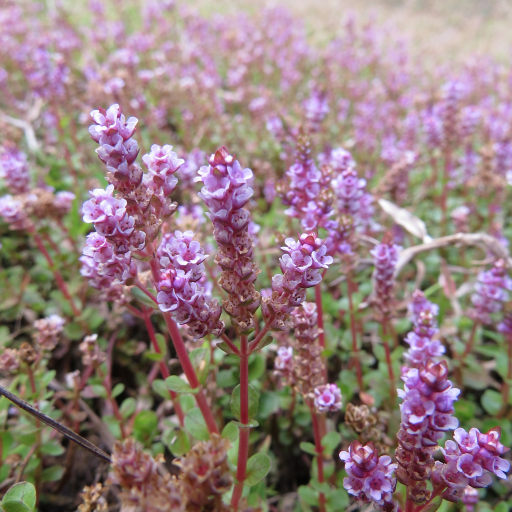
Known to aquascaping enthusiasts as the "Dwarf Rotala," this Southeast Asian native is the ultimate chameleon of the underwater world. While its name translates to "round-leaf," you might find that it rarely lives up to that title once submerged in your aquarium. It is a staple in the hobby, beloved for its ability to transform a plain green tank into a vibrant sunset of pinks and oranges.
🔍 How to Identify
- 🌿 Leaf Transformation: When grown above water (emersed), the leaves are small and perfectly round. Once submerged (submersed), they transition into long, narrow, lance-like shapes.
- 🎨 Color Gradient: Depending on the intensity of your light, the foliage ranges from a soft lime green to a deep, blushing pink or even a fiery magenta at the tips.
- 📏 Growth Habit: It is a classic "stem plant" that grows vertically toward the light, often branching out to form thick, lush thickets that provide excellent hiding spots for small fish.
🏡 In Your Garden (Aquarium)
- ✂️ The Pruning Paradox: To get that dense, bushy look, you must be brave with your scissors. Trimming the tops encourages the plant to send out side shoots, creating a much fuller appearance in the background of your tank.
- 💡 The "Sunlight" Secret: While it can survive in low light, it will stay strictly green and grow "leggy" (stretched out). To unlock those famous red hues, it requires high-intensity lighting and a steady supply of micronutrients, particularly iron.
- 🧪 Water Stability: It is remarkably hardy for a "colored" plant, making it a perfect choice for beginners venturing into high-tech tanks. It isn't picky about water hardness, though it appreciates a bit of CO2 to truly thrive.
⚠️ Safety & Toxicity
- ✅ Pet & Fish Safe: This plant is completely non-toxic to fish, shrimp, and snails. In fact, many aquatic creatures enjoy grazing on the microfilm that grows on its delicate leaves.
- 🚫 Environmental Caution: Never discard Rotala clippings into local ponds or waterways. As a fast grower, it has the potential to become invasive in non-native tropical environments, outcompeting local flora.
✨ Fun Fact
Despite its delicate appearance, Rotala rotundifolia is so hardy that in its native habitat, it is often found growing as a common weed in rice paddies!

Detailed Care Instructions
To grow Rotala Rotundifolia successfully, follow these steps:
- Lighting: Provide the plant with bright lighting, ideally 2-3 watts per gallon or 10-12 hours of fluorescent light per day. This will encourage healthy growth and prevent leggy or sparse growth.
- Water parameters: The optimal water parameters for Rotala Rotundifolia are a pH between 6-7.5, temperature between 72-82°F, and moderate to high water hardness (KH and GH between 3-10).
- Substrate: Use a nutrient-rich substrate such as aquarium soil or fine gravel enriched with root tabs. This will ensure that the plant has access to essential nutrients for its growth.
- CO2 supplementation: Adding a CO2 system can significantly enhance the growth of Rotala Rotundifolia. However, it can still grow without CO2 supplementation, albeit at a slower pace.
- Fertilization: Regularly provide the plant with liquid fertilizers containing essential nutrients like nitrogen, phosphorus, and potassium. This will enable robust growth and vibrant colors.
- Pruning: Regularly trim the plant to prevent it from becoming too dense or overshadowing other plants in the aquarium. Pruning also encourages branching and more compact growth.
- Water circulation: Ensure good water circulation in the aquarium to prevent algae growth and stagnant conditions around the plant. This can be achieved using a powerhead or by placing the plant near a filter output.
- Algae control: Monitor and control algae growth, as excessive algae can inhibit the growth of Rotala Rotundifolia. Regular water changes and maintaining a balanced ecosystem will help prevent algae outbreaks.
- Propagation: Rotala Rotundifolia can be propagated by taking cuttings from healthy stems and replanting them into the substrate. This will encourage new growth, making your plant bushier and denser over time.
By providing the right conditions and care, Rotala Rotundifolia can thrive and create a beautiful aquascape in your aquarium.

Place in a bright room that is sun drenched almost all day. Or directly in a south-facing window.
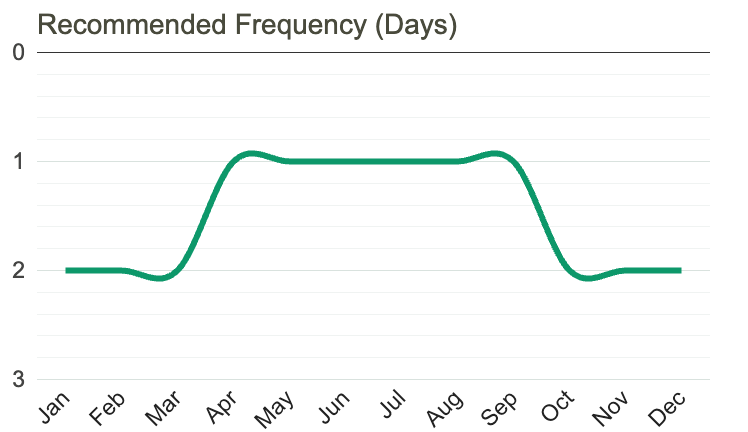
To water this plant, it is important to ensure that the soil is moist but not waterlogged. You can achieve this by using a watering can or a hose with a gentle flow to water the soil at the base of the plant. You should avoid getting water on the leaves as this can encourage fungal growth. It is also important to avoid letting the soil dry out completely between watering, as this can cause stress to the plant. Depending on the humidity and temperature of your environment, watering may need to be done once or twice a week.
To fertilize this plant, it is recommended to use a balanced liquid fertilizer that contains all essential nutrients. It is important to follow the dosage instructions provided by the fertilizer manufacturer carefully and avoid overfeeding the plant. Fertilize once a week or as needed, and make sure to provide plenty of light and good water circulation. Monitor the plant closely for signs of nutrient deficiencies or excesses and adjust your fertilization routine accordingly.
For Rotala rotundifolia, it is recommended to use a nutrient-rich substrate that contains a mixture of different types of soil, such as clay, sand, and loam. It is also important to ensure that the soil is well-draining and does not become waterlogged. Additionally, adding fertilizers or root tabs can help provide essential nutrients for the plant's growth. It is best to avoid using soil that is too compact or dense, as it can inhibit root growth and cause the plant to wither. Overall, the ideal soil for Rotala rotundifolia should be loose, nutrient-rich, and well-draining.
There are several methods to propagate this plant. One way is to take cuttings from the stem. To do this, select a healthy stem and cut a section of it with sharp and sterilized scissors. Remove any leaves from the bottom of the cutting, leaving only the top ones. Place the cutting in a container of water or moist substrate and wait for it to develop roots. Once the roots are a few centimeters long, the cutting can be planted in its own container or added to an existing aquarium. Another method is to divide the plant. This involves separating the stems and planting them separately in their own containers or in different parts of an aquarium. It is important to ensure that each stem has its own roots and leaves to survive. Both of these methods can be done multiple times to increase the number of plants.








