Plant Overview
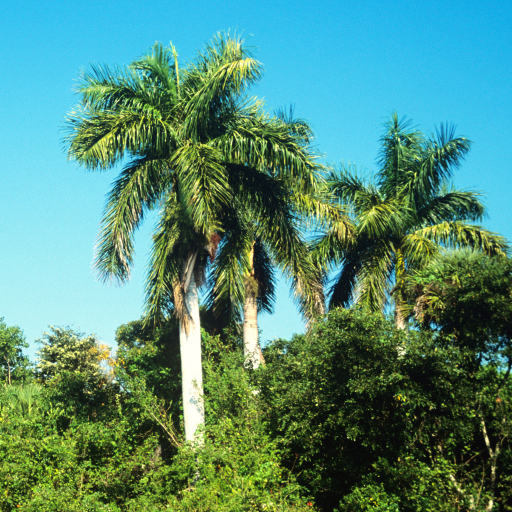
Often hailed as the "Aristocrat of Palms," the Cuban Royal Palm is the gold standard for tropical elegance. With its towering, concrete-smooth trunk and vibrant green crown, it looks more like a grand architectural pillar than a simple tree. It holds deep cultural significance as the national tree of Cuba and is the definitive symbol of high-end Caribbean and Floridian landscapes.
🔍 How to Identify
- 🏰 The Trunk: Remarkably smooth and light grey to off-white. It often features a characteristic "bulge" either at the base or in the middle, giving it the appearance of a sculpted stone column.
- 💚 The Crownshaft: Just below the leaves sits a long, sleek, grass-green section of the trunk. This "crownshaft" looks polished and serves as the launch point for the massive fronds.
- 🌿 The Fronds: Large, feathery (pinnate) leaves that can reach up to 15 feet in length. The leaflets grow in different planes, giving the fronds a lush, three-dimensional "bottle brush" look.
🏡 In Your Garden
- 🏗️ Think Big: This is a massive palm that can reach heights of 60 to 80 feet. It is best suited for large estates, wide driveways, or parks; it will quickly overwhelm a small suburban backyard or a spot too close to a roofline.
- 🧹 The "Self-Cleaning" Habit: One of the best features for hobbyists is that it is self-cleaning. It naturally drops its old, dead fronds without needing a pole saw. However, because a single frond can weigh 50 pounds, you should never place garden benches or delicate statues directly beneath its canopy.
- 💧 Hungry for Nutrients: To maintain that deep, "expensive" green color, the Royal Palm requires regular applications of a high-quality palm fertilizer containing manganese and magnesium, as they are prone to yellowing in poor soils.
⚠️ Safety & Toxicity
- 🐾 Pet Safety: The foliage and trunk of the Royal Palm are generally considered non-toxic to cats, dogs, and horses.
- 🍇 Fruit Irritation: The tree produces small, dark purple fruits. While they aren't considered deadly, they contain calcium oxalate crystals which can cause skin irritation or a burning sensation if chewed by curious children or pets.
- 🛡️ Physical Hazard: The primary safety concern is the weight of falling debris. A falling frond or a heavy bunch of seeds can cause injury or damage property if it drops from a great height.
✨ Fun Fact
Because of their extreme height and high water content, Royal Palms act as natural lightning rods during tropical storms. They are surprisingly resilient; even if the top is scorched by a strike, the palm can often grow a completely new crown within a year!

Detailed Care Instructions
| Lighting | Full Sun |
| Hardiness Zones | 10A - 11 |
To grow Roystonea Regia plant, also known as Cuban royal palm, you can follow these steps:
- Climate: Ensure you live in a warm climate with adequate sunlight. Roystonea Regia requires full sun exposure for at least 6-8 hours a day.
- Soil: Use well-drained soil that is rich in organic matter. The pH level should range from slightly acidic to neutral. Avoid heavy clay soils.
- Planting: Dig a hole twice as wide and deep as the plant's root ball. Place the plant in the hole, ensuring that the top of the root ball is level with or slightly above the ground. Backfill the hole with soil and gently tamp it down.
- Watering: Water the palm deeply after planting, and then water regularly to keep the soil moist but not waterlogged. Decrease watering in the winter months, allowing the top few inches of soil to dry out between waterings.
- Fertilizer: Apply a slow-release palm fertilizer during the growing season, following the package instructions. This will provide necessary nutrients for healthy growth.
- Pruning: Remove dead or damaged fronds to maintain the plant's appearance. Avoid excessive pruning, as Roystonea Regia tends to shed its lower fronds naturally.
- Mulching: Apply a layer of organic mulch, such as wood chips or shredded leaves, around the base of the palm to conserve moisture, suppress weeds, and provide additional nutrients as it decomposes.
- Protection: Protect the plant from extreme cold, as Roystonea Regia is sensitive to frost. Consider covering it with a blanket or using frost cloth during winter months if frost is expected.
- Propagation: Roystonea Regia is typically propagated using seeds. Place the seeds in a well-draining potting mix and keep them warm and moist until germination, which can take several weeks.
- Maintenance: Regularly monitor for pests and diseases such as spider mites, mealybugs, and fungal infections. Treat any problems promptly to keep the plant healthy.
By following these steps, you can successfully grow Roystonea Regia and enjoy the beauty of this magnificent palm tree.

Place in a bright room that is sun drenched almost all day. Or directly in a south-facing window.

To properly water this plant, pay attention to the soil. Make sure the soil is moist but not waterlogged. Water deeply and evenly around the base of the plant to ensure that the roots receive enough moisture, but avoid watering the plant's foliage to prevent water from remaining on the leaves for too long. Check the soil moisture level regularly and adjust your watering schedule as needed based on the soil's moisture level and the plant's individual needs. Lastly, avoid overwatering or underwatering the plant as both can lead to health problems.
To fertilize this palm plant, apply a slow-release fertilizer with a balanced ratio of nitrogen, phosphorus, and potassium. Apply the fertilizer evenly over the soil surface and ensure that it does not touch the leaves or stem of the plant. Water the plant lightly after fertilizing to help the fertilizer absorb into the soil. Repeat this process every three to four months during the growing season. Avoid over-fertilizing as it can lead to root burn and other plant health issues.
When planting Roystonea Regia, it is important to use well-draining soil that is rich in organic matter. The soil should also be slightly acidic, with a pH range of 5.5 to 6.5. Sandy loam soil is ideal for this plant, as it allows for proper drainage while also retaining enough moisture for the roots to absorb. It is recommended to mix the soil with compost or other organic materials before planting to provide the plant with ample nutrients. Avoid using heavy, clay soils or soils that are high in salinity as they can lead to root rot and other issues.
Roystonea Regia plant can be propagated through a process called seed germination. First, obtain the seeds from a mature plant, which can be found in the fruit clusters. Remove the fruit and soak the seeds in water for 24-48 hours to loosen their outer covering. Then, plant the seeds in a potting mix of equal parts sand, peat moss, and perlite, about 1-2 inches deep. Place the pot in a warm location with high humidity, such as a greenhouse or covered area. Keep the soil moist but not soaked, and the seeds should germinate in 4-6 weeks. As the seedlings grow, you can transplant them into larger pots or outdoors in a sunny location with well-draining soil. With proper care, these seedlings will grow into mature Roystonea Regia plants.








