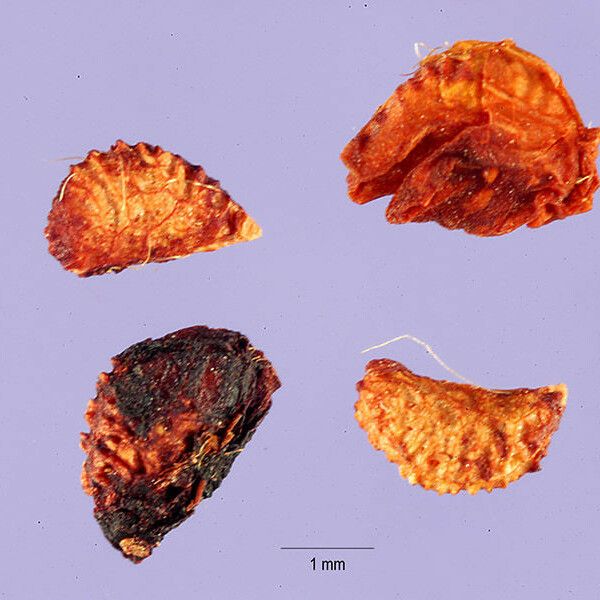
Plant Overview
Often referred to as a "Mixed Bramble," Rubus permixtus is a wild and resilient member of the blackberry family. Native to European woodland edges and hedgerows, this plant is part of a complex group of "microspecies" that botanists have studied for centuries. In folklore, bramble thickets like these were often seen as protective barriers, rumored to guard enchanted castles or hide forest secrets beneath their thorny embrace.
🔍 How to Identify
- 🌿 The Canes: Look for arching, biennial stems that often take on a reddish-purple hue when exposed to the sun, armed with sharp, downward-curving prickles.
- 🍃 The Foliage: Its leaves are typically divided into three to five oval-shaped leaflets with sharply "toothed" or serrated edges and a slightly paler underside.
- 🌸 The Bloom & Berry: In late spring, it produces clusters of delicate white to pale pink flowers, which eventually transform into deep purple-black, aggregate fruits.
🏡 In Your Garden
- 🌱 Wild & Untamed: Unlike cultivated blackberries, this species prefers a bit of chaos; it thrives in "edge" habitats where the lawn meets the woods and helps stabilize soil with its deep, creeping root system.
- 🦋 A Pollinator Hub: It is a high-value plant for biodiversity, providing a critical nectar source for honeybees and nesting sites for small birds who seek protection within its thorny branches.
⚠️ Safety & Toxicity
- ✅ Edible Berries: The fruit is non-toxic and edible for humans, though the flavor of this specific wild variety can range from tart to sweet depending on the soil.
- 🧤 Physical Hazard: The primary "danger" is its aggressive prickles; always wear thick gardening gloves when handling, as the thorns can easily pierce skin or snag pet fur.
✨ Fun Fact
- 🧬 The Great Mystery: Rubus permixtus belongs to one of the most difficult groups of plants to classify in the world; there are over 300 "microspecies" of brambles in the UK alone that look so similar only expert "Batologists" (blackberry specialists) can tell them apart!

Detailed Care Instructions








