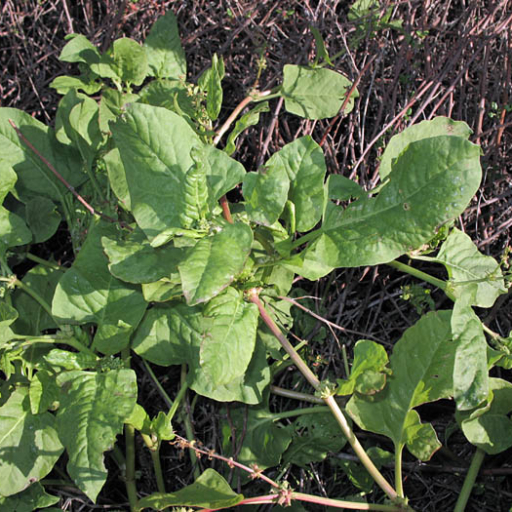
Plant Overview
Known notoriously as the "Devil’s Thorn" or "Three-cornered Jack," Rumex spinosus (often referred to by its synonym Emex spinosa) is a hardy annual that has traveled from its Mediterranean roots to become a global traveler. While it may look like a harmless leafy green at first glance, it hides a sharp, defensive secret that has made it a dreaded sight for hikers and farmers alike. In many regions, it is considered a formidable weed due to its aggressive growth and "hitchhiking" seeds.
🔍 How to Identify
- 🌿 The Foliage: Look for fleshy, heart-shaped or triangular leaves with slightly wavy margins. They are a vibrant green and emerge from a central rosette before the plant spreads outward.
- 🌱 Growth Habit: It typically grows prostrate (low to the ground), forming dense mats that can reach up to 30 centimeters in height if competing for light.
- ⚔️ The Fruit: The most defining feature is the hard, woody seed capsule equipped with three incredibly sharp, rigid spines. These spines are arranged so that one is always pointing upward, ready to pierce.
🏡 In Your Garden
- 🚜 Disturbed Soil Enthusiast: This plant thrives in "tired" or disturbed soil, often popping up in overgrazed pastures, roadside edges, or neglected garden corners where competition is low.
- ⛏️ The Taproot Trap: It develops a thick, fleshy taproot very quickly. If you try to pull it out once it has matured, the root often snaps, allowing the plant to regenerate. It is best to remove it manually while the soil is moist and the plant is a young seedling.
- 📦 Seed Longevity: Be wary of its "seed bank." The spiny fruits can remain dormant in the soil for several years, waiting for the perfect moisture levels to germinate.
⚠️ Safety & Toxicity
- 🌵 Physical Hazard: The primary danger is the mechanical injury from the spines. They are sharp enough to puncture bicycle tires, thin-soled shoes, and the paws of pets, often leading to secondary infections if not cleaned.
- 🐕 Pet & Livestock Warning: Like many members of the Polygonaceae family, the leaves contain oxalates. If consumed in large quantities, it can cause kidney issues or calcium deficiencies in livestock and pets.
- 👶 Kid Safety: Keep toddlers away from areas where this plant is seeding, as the burs are painful and difficult for small hands to remove safely.
✨ Fun Fact
The "Devil's Thorn" is a master of dispersal called epizoochory. Its three-way spine system is biologically engineered to act like a caltrop (a medieval anti-cavalry weapon); no matter how the seed lands, one spike always points up to snag the tire of a car or the hoof of an animal to be carried to a new home.

Detailed Care Instructions
To grow Rumex Spinosus, or Spinach Dock, follow these steps:
- Choose a suitable location: Look for a sunny spot in your garden or a container where the plant will receive at least 6 hours of direct sunlight daily. Ensure the soil is well-draining.
- Prepare the soil: Spinach dock thrives in fertile soil that is rich in organic matter. Add compost or well-rotted manure to improve the soil's nutrient content and structure.
- Sow the seeds: Plant the seeds in either spring or early summer. Create small furrows in the soil, about ¼ inch deep, and sow the seeds thinly. Space the rows around 12 inches apart. Cover the seeds lightly with soil and water gently.
- Watering: Keep the soil consistently moist but avoid overwatering, as excessive moisture can lead to root rot. Use a watering can or a gentle spray from a hose to avoid disturbing the seeds.
- Thinning and transplanting: Once the seedlings emerge, thin them out to allow proper spacing between plants. Keep the healthiest specimens and remove the weaker ones. Transplant them gently to new pots or garden beds, ensuring they have enough space to grow.
- Fertilization: Apply a balanced, slow-release fertilizer to provide the plants with adequate nutrients. Follow the instructions on the fertilizer packaging for the recommended dosage.
- Weed control: Regularly remove any weeds that may compete with the plants for nutrients and space. Be careful not to damage the seedlings while weeding.
- Pests and diseases: Monitor the plants for any signs of pests or diseases, such as aphids or fungal infections. Use organic pest control methods or consult a local gardening expert for appropriate treatment options.
- Harvesting: You can start harvesting the leaves when they reach a desirable size, usually around 50-60 days after sowing. Cut the outer leaves close to the base, allowing the inner leaves to continue growing.
- Continuous care: Continue watering, fertilizing, and controlling weeds throughout the plant's growth cycle to ensure healthy and continuous growth.
By following these steps, you should be able to successfully grow Rumex Spinosus and enjoy its nutritious and tasty leaves.

Place in a bright room that is sun drenched almost all day. Or directly in a south-facing window.

Water this plant regularly, ensuring the soil remains moist but not waterlogged. Avoid allowing the soil to dry out completely between waterings, and be sure to water deeply enough to saturate the root zone. Additionally, provide adequate drainage to prevent water from accumulating around the roots. During periods of high heat or low humidity, the plant may require more frequent watering to prevent wilting.
To fertilize this plant, apply a balanced fertilizer with equal amounts of nitrogen, phosphorus, and potassium. Make sure to space out fertilizer application every two to three months during the growing season to avoid over-fertilization. Apply the fertilizer around the base of the plant and water it in well after application. Avoid fertilizing during periods of drought or extreme heat as this can harm the plant's roots.
The Rumex Spinosus plant prefers well-draining soil with a slightly acidic to neutral pH level. A sandy loam or loamy soil is ideal for this plant as it allows for proper drainage while retaining some moisture for the plant's roots. Adding organic matter such as compost or peat moss to the soil can help improve its texture and fertility. It is important to avoid heavy clay soils that can become waterlogged and lead to root rot. Additionally, adding a balanced fertilizer to the soil periodically can help ensure the plant receives the necessary nutrients for healthy growth.
To propagate this plant, you will first need to identify a mature plant with healthy stems. Take a sharp, sterilized knife or pair of scissors and cut a stem from the parent plant. Make sure that the stem is at least 4 inches long and has several healthy leaves.
Next, prepare a well-draining soil mix that is rich in organic matter. You can use a mix of compost, sandy soil, and perlite or vermiculite.
Remove the bottom leaves from the stem, leaving only the top leaves intact. Dip the cut end of the stem into rooting hormone powder to enhance the chances of successful rooting. Insert the stem into the soil, ensuring that at least a third of the stem is buried.
Water the soil thoroughly, but be careful not to over-water it. Place the potted stem in a warm, bright spot with indirect sunlight. Cover the pot with a plastic bag or wrap to maintain humidity and warmth.
Keep the soil moist but not waterlogged, and ensure that the plant receives good air circulation. After a few weeks, you should see signs of new growth, indicating that the stem has rooted. Remove the plastic cover and continue to care for the plant as it grows.
Once the plant has grown sufficiently, you can transplant it to its permanent location. Be sure to harden it off gradually to avoid shock. With proper care, your propagated Rumex Spinosus plant will thrive and produce new growth for many years.








