Plant Overview
Known as the "Cedro Caracolito" or simply "Caracolito," this majestic tree is a true hidden gem of the Central and South American rainforests. It earned its nickname, which translates to "Little Snail," from the curious, coiled shape of its seeds that resemble tiny gastropods. Despite its massive size in the wild, it remained a secret to the scientific world until as recently as 1993, making it a "new" ancient wonder of the botanical world.
🔍 How to Identify
- 🐚 The "Snail" Fruit: The most distinctive feature is the woody fruit capsule that splits open to reveal seeds with a bright orange or red fleshy covering (aril), curved into a snail-like spiral.
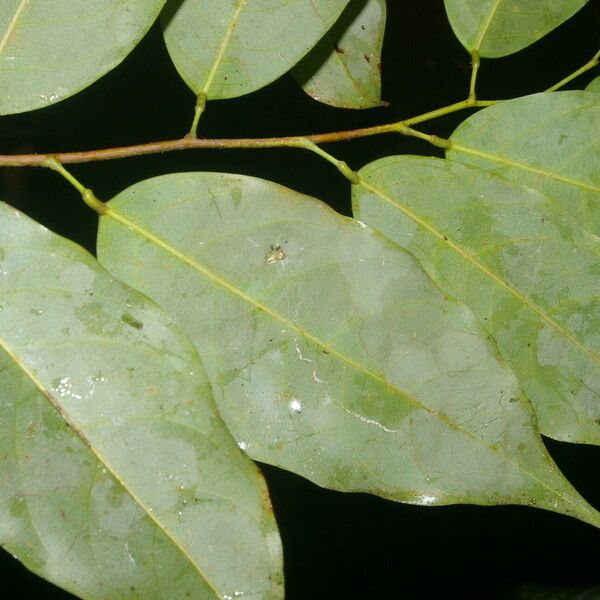
- 🍃 Deceptive Leaves: At first glance, the leaves look simple and oval, but they are actually "unifoliolate"—a complex way of saying they are compound leaves that have evolved to have only one leaflet.
- 🌳 Stately Stature: In its native habitat, it grows into a towering canopy tree with a straight, cylindrical trunk and smooth, grayish bark that stands out in a crowded forest.
🏡 In Your Garden & Habitat
- 🌎 Tropical Soul: This isn't your average backyard sapling; it thrives in the humid, low-elevation rainforests of Costa Rica, Panama, and Colombia. It requires deep, well-draining soil and a consistent tropical "sauna" environment to flourish.
- ⏳ Slow and Steady: Much like the snail it is named after, the Caracolito is a slow grower. It invests its energy into creating incredibly dense, high-quality timber, which has unfortunately made it a target for logging in the wild.
⚠️ Safety & Toxicity
- ✅ Generally Safe: There are no recorded reports of Ruptiliocarpon caracolito being toxic to humans or common household pets.
- 🌰 Choking Hazard: While not chemically toxic, the hard, woody seeds are a physical choking hazard for small dogs or curious children if found on the forest floor.
- 🛡️ Conservation Status: Because it is rare and slow-growing, the primary "safety" concern is for the tree itself—it is a protected species in many regions to prevent over-harvesting for its prized wood.
✨ Fun Fact
The Caracolito is a "taxonomic loner." It is the only species in its entire genus (Ruptiliocarpon), making it a unique evolutionary branch that has survived through the ages in the shadows of the Mesoamerican jungles.

Detailed Care Instructions








