Plant Overview
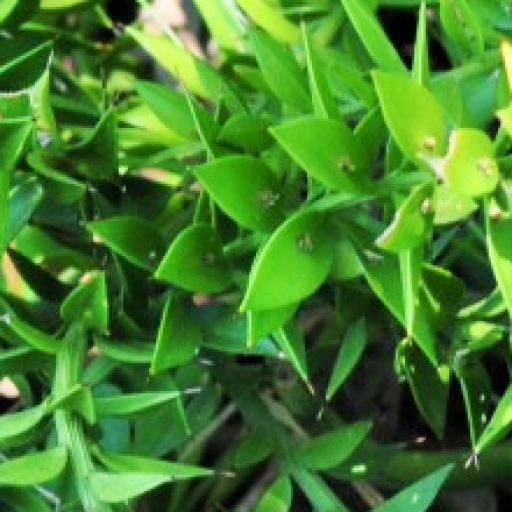
The Hyrcanian Butcher’s Broom is a living relic of the ancient Hyrcanian forests that fringe the Caspian Sea. Known as a "living fossil," this resilient evergreen has survived since the Tertiary period, outlasting countless other species through ice ages and climate shifts. Its most bizarre trait is its "leaves," which aren't leaves at all, but flattened stems that carry flowers and bright red berries right in their centers.
🔍 How to Identify
- 🍃 Pseudo-Leaves: The "leaves" are actually modified stems called cladodes. They are thick, leathery, and lance-shaped, ending in a sharp, prickly point.
- 🌸 Central Blooms: Small, star-shaped greenish-white flowers appear to sprout miraculously from the very center of the leaf-like stems.
- 🔴 Jewel-Like Berries: In winter, female plants produce striking, spherical red berries that sit atop the green cladodes, looking like holiday decorations.
🏡 In Your Garden
- 🌑 Shade Specialist: Because it originated on the dense forest floors of Iran and Azerbaijan, this plant thrives in deep shade where most other plants would wither. It is the ultimate "dark corner" solution.
- 🪴 Slow and Steady: This plant grows remarkably slowly. It focuses its energy on building tough, drought-resistant tissues rather than rapid height, making it a low-maintenance choice that won't outgrow its space quickly.
- 🧱 Tough as Nails: Once established, it is incredibly hardy. It can tolerate root competition from large trees and poor soil quality, though it prefers well-draining, slightly acidic earth that mimics the forest floor.
⚠️ Safety & Toxicity
- 🚫 Toxic Berries: The bright red berries are enticing but contain saponins which are toxic if ingested.
- 🐾 Pet & Child Safety: Keep this plant away from curious pets and toddlers. Ingestion can cause stomach upset, vomiting, or diarrhea.
- 🌵 Mechanical Injury: The sharp, spine-tipped "leaves" can easily puncture skin or cause eye injuries if planted too close to narrow walkways.
✨ Fun Fact
The Ruscus genus earned the name "Butcher’s Broom" because its stiff, antibacterial branches were historically tied together and used by butchers to scrub their wooden cutting blocks clean!

Detailed Care Instructions
To grow Ruscus Hyrcanus, also known as Butcher's Broom, follow these steps:
- Select a suitable location: Ruscus Hyrcanus prefers a partially shaded location with well-draining soil. Choose a spot that receives morning sun and afternoon shade.
- Soil preparation: Prepare the soil by removing any weeds, rocks, or debris. Ruscus Hyrcanus prefers slightly acidic to neutral soil with a pH range of 6.0 to 7.5. Improve the soil drainage by adding organic compost or well-rotted manure.
- Planting: Dig a hole slightly larger than the root ball of the plant. Place the root ball into the hole, making sure the top of the root ball is level with the surrounding soil. Backfill the hole and gently firm the soil around the plant.
- Watering: Water the plant thoroughly after planting to settle the soil. Keep the soil consistently moist, but not waterlogged. Water deeply when the top inch of soil feels dry.
- Mulching: Apply a layer of organic mulch around the base of the plant to help retain moisture, suppress weeds, and maintain a more stable soil temperature. Avoid covering the crown of the plant with mulch.
- Fertilization: Apply a slow-release, balanced fertilizer according to the package instructions during the growing season, typically in spring or early summer. Avoid over-fertilizing, as it can lead to weak growth.
- Pruning: Prune back any dead or damaged stems in early spring. This will promote healthy growth and maintain the plant's shape. Ruscus Hyrcanus can tolerate severe pruning if needed.
- Winter care: In colder climates, provide winter protection by mulching around the plant base to insulate the roots. Consider covering the plant with burlap if frost or freezing temperatures are expected.
Ruscus Hyrcanus is a slow-growing plant, so be patient and ensure proper care to allow it to thrive.
To properly provide water to the Ruscus Hyrcanus plant, follow these guidelines:
- Assess the moisture level: Before watering, it is crucial to check the moisture level of the plant's soil. Insert your finger about an inch deep into the soil to determine if it feels dry or moist. This step helps you avoid overwatering or underwatering the plant.
- Watering frequency: Ruscus Hyrcanus requires a moderate amount of watering. It is generally recommended to water the plant only when the top inch of the soil feels dry. Overwatering can lead to root rot, so it is essential to allow the soil to dry out slightly between waterings.
- Watering method: Use a watering can or a gentle hose attachment to water the plant. Pour water slowly and evenly onto the soil surface, directly at the base of the plant. Avoid splashing water on the foliage, as this can cause fungal diseases.
- Watering technique: Ensure that the water penetrates the soil's root zone. Water deeply to encourage the roots to grow downwards, strengthening the plant's overall stability and health. Allow the water to seep into the soil slowly, rather than applying it rapidly, as it could lead to runoff and ineffective watering.
- Drainage: Adequate drainage is crucial for the Ruscus Hyrcanus plant. Ensure that the pot or planting area has drainage holes to allow excess water to escape. This prevents water from accumulating around the roots, which can lead to root rot and other related problems.
- Seasonal variations: Adjust the watering frequency according to the seasons. During the plant's active growing season, typically spring and summer, it may require more water due to increased evaporation and higher growth rates. In contrast, reduce the watering during winter or dormant periods to prevent waterlogged soil and subsequent root issues.
- Monitor the plant's response: Observe the plant's foliage for signs of under or overwatering. If the leaves start turning yellow, it can indicate overwatering, while drooping or wilting leaves may indicate underwatering. Adjust the watering routine accordingly and monitor the plant's response to ensure optimal watering practices.
Remember, these guidelines are general recommendations. Factors such as climate, humidity levels, and the specific growing conditions of the plant should also be taken into account while providing water to the Ruscus Hyrcanus plant.
To fertilize Ruscus Hyrcanus, begin by selecting a balanced, water-soluble fertilizer specifically formulated for green foliage plants. Read and follow the manufacturer's instructions for the recommended dosage and frequency of application. Typically, diluted fertilizer should be applied every 2-4 weeks during the active growing season, which is usually spring and summer. Before applying the fertilizer, thoroughly water the plant to ensure the soil is evenly moist. Then, mix the fertilizer with water according to the package instructions. Carefully pour the diluted fertilizer solution around the base of the plant, being careful not to splash it on the foliage. After application, allow excess water to drain freely. Remember to adjust the fertilization frequency during the dormant period, reducing it to once every 2-3 months. Regularly monitor the plant's condition and adjust the fertilizer application accordingly to maintain healthy growth.
When cultivating Ruscus Hyrcanus, it is crucial to select an appropriate soil mix that promotes healthy growth and supports the plant's specific requirements. The ideal soil for Ruscus Hyrcanus should possess several essential characteristics.
Firstly, the soil should be well-draining to prevent waterlogging and potential root rot. This ensures that the roots have adequate access to oxygen, allowing them to remain healthy and prevent any damage caused by excess moisture.
Secondly, Ruscus Hyrcanus prefers a slightly acidic to neutral pH range. Strive for a pH level between 5.5 and 7.0 for optimum growth. Acidic soil conditions can enable the plant to efficiently absorb essential nutrients from the soil.
Next, the soil should also be rich in organic matter. Adding compost or well-rotted manure to the soil enhances its fertility and improves its ability to retain moisture while allowing excess water to drain away. This organic matter also contributes vital nutrients and improves overall soil structure, which promotes healthy root development.
Moreover, the soil should provide good aeration, which can be achieved by incorporating perlite or coarse sand into the soil mix. This ensures that the roots receive adequate oxygen and prevents soil compaction.
Lastly, Ruscus Hyrcanus benefits from a soil mix that retains some moisture while allowing excess water to drain away. This balance can be attained by including a mixture of peat moss or coconut coir, vermiculite, and sand in the soil mix. These components help regulate moisture levels and prevent waterlogged conditions.
Remember to regularly monitor the moisture levels of the soil and adjust watering accordingly to avoid over-watering or allowing the soil to become excessively dry.
Ruscus Hyrcanus is a perennial evergreen plant native to the Mediterranean region. It grows in a clumping habit and has long, slender stems with small, scale-like leaves. The plant is commonly propagated through a few different methods, including division, stem cuttings, and seed propagation.
- Division: Propagating Ruscus Hyrcanus through division involves separating an existing plant into smaller sections. To do this, start by carefully digging up the mature plant, being mindful of the root system. Once the plant is removed from the ground, gently divide the root clump into smaller sections, ensuring that each section has its own roots and stems. Replant the divided sections into prepared soil or potting mix, making sure to provide adequate spacing between plants.
- Stem Cuttings: Another propagation method involves using stem cuttings. Start by selecting a healthy stem from the Ruscus Hyrcanus plant. Using clean and sharp pruning shears, make a clean cut below a node, which is a swollen area on the stem where leaves emerge. Remove any lower leaves, leaving a few at the top intact. Dip the cut end of the stem in rooting hormone, then insert it into a pot filled with a well-draining soil mix. Place the pot in a warm and bright location, ensuring that it receives indirect sunlight. Mist the cuttings regularly to maintain humidity and keep the soil moist but not waterlogged. Over time, the cuttings will develop roots and grow into new plants.
- Seed Propagation: Ruscus Hyrcanus can also be propagated from seeds, although this method requires patience as it takes longer for the plant to reach maturity. Begin by collecting mature berries from an existing plant. Carefully extract the seeds from the berries, making sure not to damage them. Fill small pots or seed trays with a seed-starting mix, which should be moistened beforehand. Place the seeds on the surface of the soil and lightly press them in, ensuring they have good contact with the soil. Cover the container with a plastic bag or use a propagator lid to create a humid environment. Place the container in a warm location that receives indirect light. Keep the soil consistently moist but avoid waterlogging. Germination usually takes several weeks to a couple of months. Once the seedlings have developed a few true leaves, they can be transplanted into individual pots or directly into the garden.
Remember to provide proper care, including regular watering, well-draining soil, and suitable light conditions, to ensure the success of the propagated Ruscus Hyrcanus plants.








