Plant Overview
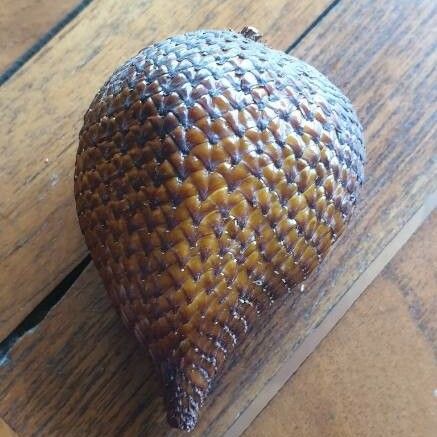
Known as the "Snake Fruit" for its remarkably reptilian skin, Salacca zalacca is a species of palm tree native to the tropical lowlands of Indonesia. This plant doesn't grow tall like a coconut tree; instead, it forms dense, prickly thickets that look like something straight out of a prehistoric jungle. It is beloved across Southeast Asia for its crunchy, sweet-and-sour fruit that tastes like a sophisticated blend of pineapple, banana, and nut.
🔍 How to Identify
- 🐍 The Fruit: The most iconic feature is the fruit, which grows in clusters at the base of the trunk. It is covered in reddish-brown, overlapping scales that feel exactly like the skin of a snake.
- ⚔️ Spiny Fronds: The leaf stalks (petioles) are heavily armed with long, needle-sharp black spines that can reach several inches in length, acting as a natural barbed-wire fence.
- 🌿 Feathery Leaves: It produces massive, pinnate leaves that can reach up to 20 feet long. These fronds arch upward and outward from a very short, almost invisible stem.
🏡 In Your Garden
- ☁️ The Shade Dweller: Unlike many palms that crave the spotlight, the Salak palm is an understory plant. It prefers "dappled light" and will actually suffer from leaf burn if placed in direct, harsh afternoon sun.
- 💧 Tropical Humidity: This plant is a true child of the rainforest. It requires high humidity and soil that stays consistently moist. If you are growing it outside of the tropics, it needs a dedicated humidifier or a very sheltered, wet spot to survive.
⚠️ Safety & Toxicity
- ✅ Safe to Eat: The fruit pulp is non-toxic and highly nutritious for humans. It has a unique dry, crunchy texture rather than being juicy.
- 🌵 Physical Hazard: While not chemically poisonous, the plant is physically aggressive. The spines are incredibly sharp and can easily puncture skin or paws. It should be planted away from walkways where children or pets might accidentally brush against it.
✨ Fun Fact
In its native Indonesia, Salak is often called the "Memory Fruit." This nickname comes from its high levels of potassium and pectin, which are nutrients traditionally associated with brain health and cognitive function!

Detailed Care Instructions
| Humidity | Normal |
| Lighting | Full Sun |
| Toxicity | Poisonous |
| Difficulty | Medium |
| Temperature | 22°C - 36°C |
| Hardiness Zones | 10 - 12 |
To grow a Salacca Zalacca plant, also known as the snake fruit plant, follow these steps:
- Plant selection: Obtain a healthy plant from a reputable nursery or collect seeds from ripe fruits. Ensure the seeds are fresh and viable.
- Soil: Choose a well-draining soil mixture that is rich in organic matter. The soil pH should be slightly acidic, ranging between 5.5 and 6.5.
- Container: If growing the plant in a pot, choose a container with adequate drainage holes to prevent waterlogging.
- Germination: Soak the seeds in warm water for about 24 hours before planting to soften the hard seed coat. This step will aid in germination. Sow the seeds about 2 cm deep in the prepared soil.
- Light and temperature: Salacca Zalacca plants prefer full sun to partial shade. Ensure they receive at least 6 hours of sunlight daily. The optimum temperature range for growth is between 25 to 35 degrees Celsius (77 to 95 degrees Fahrenheit).
- Watering: Keep the soil consistently moist but not waterlogged. Water the plant regularly, especially during dry spells. Avoid letting the soil dry out completely between waterings.
- Fertilization: Apply a balanced, slow-release fertilizer during the growing season. Follow the manufacturer's instructions for application rates and frequency.
- Pruning: Trim any dead or damaged leaves to maintain the health and appearance of the plant. Additionally, remove any suckers or offshoots to promote strong growth.
- Pollination: Salacca Zalacca plants require cross-pollination to produce fruit. If you have multiple plants, bees and other pollinators will likely handle this naturally. However, if you only have one plant, you may need to hand-pollinate the flowers using a small brush to transfer pollen between flowers.
- Harvesting: It takes approximately four to six years for a Salacca Zalacca plant to produce fruit. Harvest the snake fruits when they are fully ripe, indicated by their reddish-brown skin and sweet aroma. Gently twist or cut the fruits from the plant to avoid damage.
Remember, the Salacca Zalacca plant requires a warm climate to thrive. If you live in a region with cooler temperatures, consider growing the plant indoors or in a greenhouse. Patience is key, as it can take several years to see the fruits on this plant.

Place in a window with dappled sun or a spot in the middle of a room. Or directly in a window facing west or east.

Salacca Zalacca plant needs regular watering to thrive. The best way to water this plant is to avoid overwatering it. It is recommended to water the plant once or twice a week, depending on the climate and soil moisture levels. Before watering, check the soil’s moisture level by sticking a finger into the soil. If the top layer of soil is dry to the touch, then it’s time to water the plant.
When watering Salacca Zalacca plant, it’s important to water the soil around the roots instead of the foliage. The roots are responsible for absorbing water and nutrients, which then nourishes the plant. Watering directly onto the foliage can cause damage to the plant and increases the risk of fungal infections.
Ensure that the pot or container has proper drainage to avoid waterlogging the soil. Waterlogging slows down the plant’s growth and can increase the risk of root rot. Water the plant slowly and deeply, allowing the water to be absorbed by the soil gradually. After watering, wait until the soil is dry before watering again.
During hot and dry seasons, Salacca Zalacca plant can require more frequent watering. During drought or excessively dry periods, daily watering may be necessary. Mulching around the base of the plant can help retain soil moisture and keep the roots cool. Additionally, avoid watering the plant during the hottest part of the day, as evaporation rates are higher and the water may not be absorbed properly.
To fertilize the Salacca Zalacca plant, apply a balanced fertilizer with equal proportions of nitrogen, phosphorus, and potassium, as well as micronutrients such as magnesium, iron, and zinc. Fertilization should occur every three months during the growing season and should be applied to the soil around the plant, avoiding contact with the foliage. Be sure to follow the manufacturer's instructions for proper application rate and frequency. Overfertilization can lead to burning of the roots and excessive leaf growth, so it's essential to avoid applying too much fertilizer.
Salacca Zalacca plant requires a well-draining soil mix that is rich in organic matter. It should be slightly acidic with a pH of 5.0 to 6.5. The soil should be loamy and have good water retention capacity, but excess water should drain out quickly. A mix of peat moss, perlite, and coarse sand in equal proportions is an excellent soil mix for Salacca Zalacca plants. It is also essential to add some slow-release fertilizer or compost to the soil before planting to provide essential nutrients to the plant. Regular watering and appropriate soil conditions are crucial for healthy growth and abundant fruit production.
To propagate this plant, first select a healthy parent plant with mature fruits. Then, carefully harvest the fruits and extract the seeds from inside. Soak the seeds in water for a few hours to soften the outer shell, then carefully remove the shell. Next, sow the seeds in a pot or planting bed with well-draining soil and keep the soil consistently moist. It is also recommended to provide a warm and humid environment, such as a greenhouse or covered growing area. Germination can take several weeks to a few months, so patience is important. Once the seedlings have emerged and have produced a few leaves, they can be transplanted into individual pots or directly into the garden. It is important to continue to keep the soil moist and provide protection from strong winds and direct sunlight during the early growth stages.
Common pests of the salak include Scale insect, mealybugs, spider mites. Make a habit of checking your salak frequently for pests so that any infestations can be caught and managed early.








