Plant Overview
Commonly known as the Jerusalem Sage, this Mediterranean beauty is a resilient perennial that brings the rugged charm of the Judean hills into the home garden. Often found blooming among ancient ruins and rocky slopes, it is celebrated for its architectural flower spikes and its ability to thrive where other plants might wither. In folklore, its presence is often associated with endurance and the historical landscape of the Levant.
🔍 How to Identify
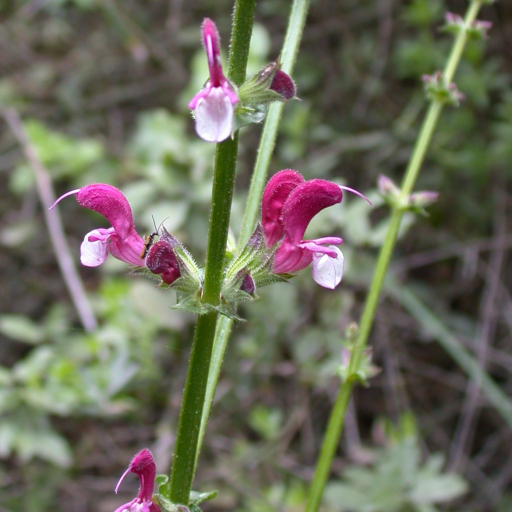
- 🌸 The Blooms: Features striking, hooded flowers that are typically bicolored—often a blend of soft pink, deep burgundy, and white—arranged in tiered circular clusters (whorls) along a tall stem.
- 🍃 The Foliage: The leaves are large, heart-shaped, and deeply "rugose" (wrinkly), forming a lush green rosette at the base of the plant that stays close to the ground.
- 📏 The Structure: It sends up square, hairy flowering stalks that can reach up to 2–3 feet tall, creating a dramatic vertical accent in a landscape.
🏡 In Your Garden
- 🪨 Rocky Origins: Because it originates from limestone-heavy regions, this Salvia demands excellent drainage. It hates "wet feet," so avoid heavy clay soils that hold water over winter.
- ☀️ Sun Seeker: This plant is a sun-worshiper. It uses its textured leaves to trap moisture, allowing it to withstand intense heat and periods of drought once its deep root system is established.
- 🐝 Pollinator Magnet: It is a high-value plant for bees and butterflies. The unique shape of the "hooded" flower is perfectly designed for larger bees to land on and pollinate.
⚠️ Safety & Toxicity
- ✅ Safe for Gardens: Salvia hierosolymitana is generally considered non-toxic to humans and is not known to be a major threat to curious pets.
- 🌿 Skin Sensitivity: While not poisonous, the fine hairs on the stems and leaves can sometimes cause mild skin irritation for people with very sensitive skin; wearing gloves while pruning is a good precaution.
✨ Fun Fact
The specific epithet hierosolymitana literally translates from Latin to "of Jerusalem." It was officially documented by botanists who observed it growing abundantly in the valleys surrounding the Holy City!

Detailed Care Instructions
To grow Salvia Hierosolymitana, also known as Jerusalem sage, you can follow these steps:
- Location: Choose a sunny spot in your garden that receives at least six to eight hours of direct sunlight each day. Make sure the area has well-draining soil.
- Soil preparation: Jerusalem sage prefers sandy or loamy soil that is rich in organic matter. Amend the soil with compost or well-rotted manure to improve its fertility and drainage.
- Planting: Start by obtaining seeds or seedlings of Salvia Hierosolymitana. If using seeds, begin them indoors about 6-8 weeks before the last frost date in your area. Sow the seeds in small pots filled with seed-starting mix and lightly cover them with a thin layer of soil. Keep the soil consistently moist until the seeds germinate, which usually takes around 2-3 weeks. Transplant the seedlings outdoors once all danger of frost has passed.
- Transplantation: Dig holes in the prepared garden bed that are slightly larger and deeper than the root ball of the seedling. Gently remove the seedling from its pot and place it into the hole, making sure the top of the root ball is level with the soil surface. Fill the hole with soil and lightly tamp it down to remove any air pockets. Space multiple plants about 12-18 inches apart.
- Watering: Water the newly planted Jerusalem sage plants thoroughly to help establish their roots. Afterward, water them deeply but infrequently. Allow the top few inches of soil to dry out between waterings to avoid overwatering.
- Mulching: Apply a layer of organic mulch around the base of the plants to help conserve moisture, suppress weed growth, and provide some insulation during extreme temperature fluctuations.
- Fertilization: Salvia Hierosolymitana generally doesn't require much fertilization. However, you can apply a balanced slow-release fertilizer during the growing season to promote healthy growth. Follow the manufacturer's instructions for dosage and frequency.
- Pruning: To maintain a compact and tidy plant, regularly trim back any dead or leggy growth. Additionally, after the flowering season, you can cut back the entire plant by about one-third to promote fresh growth.
- Protection: If you live in an area with cold winters, consider protecting your Jerusalem sage plants with a layer of mulch or a frost blanket during extremely low temperatures.
- Propagation: Salvia Hierosolymitana can be propagated by division in spring or fall. Dig up the plant and separate the root clump into smaller sections, each with a few healthy shoots. Replant the divisions in well-prepared soil and care for them as you would for the seedlings.
Remember to consult local experts or nurseries for specific advice tailored to your region's climate and growing conditions.
To properly water this plant, you should first consider the climate and soil type in which it is planted. Salvia Hierosolymitana prefers well-drained soil, so make sure the soil is not waterlogged or too heavy.
When watering, it is recommended to deeply water the soil to encourage strong root growth. Be cautious not to allow the soil to become too dry or too wet, as either extreme can lead to damage or stress for the plant.
It is also beneficial to water the plant in the morning, as this allows the moisture to be absorbed before the heat of the day begins. Additionally, avoid watering the foliage directly, as this can lead to disease or pest problems. Instead, water near the base of the plant to saturate the soil.
Overall, consistent and appropriate watering will promote healthy growth and beautiful blooms for your Salvia Hierosolymitana plant.
To fertilize this plant, use a balanced fertilizer with equal amounts of nitrogen, phosphorus, and potassium. Use the fertilizer sparingly, applying it only once a month during the growing season. Before applying it, water the plant well. Then, sprinkle the fertilizer around the base of the plant and gently work it into the soil. Avoid getting it on the leaves or stems of the plant, as this can burn them. Water the plant again after fertilizing to help distribute the nutrients throughout the soil.
Salvia Hierosolymitana plant requires well-draining soil that is rich in organic matter and nutrients. The soil should be slightly acidic with a pH range of 6.0 to 7.0. It is important to avoid using heavy clay soils or those that retain too much moisture, as they can lead to root rot. Sandy loam or loamy soil is recommended for this plant. Adding compost or aged manure to the soil will help improve its fertility and structure. The plant prefers full sun to partial shade and needs regular watering during the growing season. However, it is important to avoid overwatering, as this can lead to root rot.
Salvia Hierosolymitana is a plant that can be propagated easily through stem cuttings. Here are the steps to propagate this plant:
- Choose a healthy stem from the mother plant. The stem should be from the current season's growth and have several nodes.
- Cut the stem at a 45-degree angle using a sharp, sterilized knife or scissors.
- Remove the leaves from the bottom 1-2 inches of the stem.
- Dip the cut end of the stem in rooting hormone. This will encourage root growth.
- Fill a pot with well-draining soil. Make a hole in the soil using a pencil or a similar object.
- Insert the stem cutting into the hole, making sure that at least one node is buried under the soil.
- Water the soil around the cutting until it is evenly moist.
- Cover the pot with a plastic bag or a clear plastic dome to provide a humid environment that will encourage rooting.
- Place the pot in a warm location that receives bright, indirect light.
- Check the cutting regularly for signs of growth. Once new growth appears, remove the plastic cover and begin treating the cutting as a mature plant.








