Plant Overview
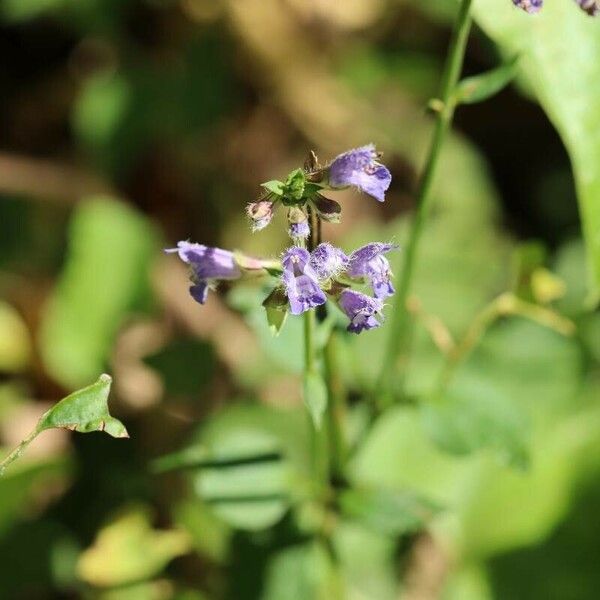
Known as the "Japanese Sage," Salvia japonica is a graceful perennial that brings a touch of woodland elegance to East Asian landscapes. Unlike its sun-scorched Mediterranean cousins, this variety feels like a forest sprite, preferring the dappled light and cool dampness of hillsides in Japan, Korea, and China. It is a favorite for gardeners who want the classic "Salvia look" but have a shadier, moister spot to fill.
🔍 How to Identify
- 🍃 Lacy Foliage: Most sages have solid, oval leaves, but the Japanese Sage features "pinnately divided" leaves. This means they are deeply lobed and fern-like, giving the plant a delicate, airy texture.
- 💜 Slender Spires: The flowers are small, hooded, and arranged in airy whorls along thin, upright stems. They typically appear in shades of lavender, violet-blue, or occasionally white.
- 📐 Mounded Habit: It grows in a tidy, herbaceous mound, usually reaching about 1 to 2 feet in height, making it an excellent choice for the middle of a garden border.
🏡 In Your Garden
- 💧 Moisture Seekers: Unlike desert-dwelling sages, Salvia japonica hates to dry out completely. It thrives in humus-rich soil that stays consistently moist but drains well enough to prevent root rot.
- ⛅ Dappled Sunlight: This plant is a "woodland edge" species. In hot climates, it should be protected from the harsh afternoon sun, which can scorch its thin leaves; it performs best in partial shade or filtered light.
⚠️ Safety & Toxicity
- 🐾 Non-Toxic Status: This plant is generally considered safe and non-toxic for cats, dogs, and horses. It is a "friendly" addition to a household with curious pets.
- 🖐️ Skin Sensitivity: While not poisonous, the stems and leaves are covered in very fine hairs. People with highly sensitive skin might experience mild mechanical irritation if handling the plant extensively without gloves.
✨ Fun Fact
🏮 In parts of East Asia, Salvia japonica has a long history in traditional folk medicine. It was historically used in poultices to treat minor skin inflammations and was even brewed into tonics believed to help with circulation.

Detailed Care Instructions
Salvia Japonica, also known as Japanese sage, is a hardy and easy-to-grow plant. Here are some tips to help you grow Salvia Japonica successfully:
- Planting: Salvia Japonica thrives in well-draining soil with a neutral to slightly acidic pH. Plant it in a sunny or partially shaded location in your garden.
- Watering: Water your Salvia Japonica regularly, keeping the soil consistently moist but not waterlogged. During hot and dry periods, make sure to water more frequently.
- Fertilizing: Fertilize your Salvia Japonica plant with a balanced fertilizer once a month during the growing season to promote healthy growth and flowering.
- Pruning: Prune your Salvia Japonica plant regularly to remove dead or damaged foliage and encourage new growth. This will also help maintain a compact and attractive shape.
- Mulching: Apply a layer of organic mulch around the base of your Salvia Japonica plant to help retain moisture, suppress weeds, and improve soil fertility.
- Propagation: Salvia Japonica can be propagated from seeds or cuttings. Sow seeds in a seed tray filled with well-draining potting mix, and keep them moist until they germinate. For cuttings, take a stem cutting from a healthy plant, dip it in rooting hormone, and plant it in a pot with moist potting mix.
- Pests and diseases: Keep an eye out for common pests such as aphids and mites, and treat them promptly with insecticidal soap or neem oil. Monitor your plant for signs of diseases such as powdery mildew and rust, and apply fungicides if needed.
With proper care and maintenance, your Salvia Japonica plant should thrive and reward you with beautiful flowers and foliage. Enjoy growing your Japanese sage!

Place in a window with dappled sun or a spot in the middle of a room. Or directly in a window facing west or east.

Salvia Japonica plants should be watered consistently and evenly throughout the growing season. It is important to water the plant at the base, avoiding wetting the foliage to prevent disease. Watering in the morning is ideal, as it allows the plant to dry off before nightfall.
To ensure proper hydration, check the soil moisture regularly by sticking your finger into the soil up to your second knuckle. If the soil feels dry, it is time to water. Be sure not to let the soil dry out completely, as Salvia Japonica plants prefer consistently moist soil.
During periods of intense heat or drought, you may need to water more frequently to prevent the plant from wilting. However, be cautious not to overwater, as this can lead to root rot and other issues.
In colder months or during periods of reduced growth, you can decrease the frequency of watering, allowing the soil to partially dry out between waterings. It is important to adjust your watering regimen based on the plant's specific needs and environmental conditions.
Salvia Japonica plants should be fertilized in the spring with a balanced, slow-release fertilizer. Apply the fertilizer around the base of the plant, following the instructions on the product packaging for the correct amount to use. Water the plant well after applying the fertilizer to help it absorb the nutrients. Repeat this fertilization process every 4-6 weeks during the growing season to promote healthy growth and flowering. Avoid over-fertilizing as this can harm the plant.
Salvia Japonica plants thrive in well-draining soil that is rich in organic matter. A good soil mix for these plants consists of a combination of peat moss, perlite, and sand. This mixture helps to ensure proper drainage while also providing adequate nutrients for healthy growth. It is important to avoid heavy or clay soils, as they can lead to waterlogging and root rot. Additionally, adding a layer of mulch around the base of the plant can help retain moisture and suppress weeds. Overall, a loose, light, and nutrient-rich soil mix is ideal for cultivating healthy Salvia Japonica plants.
Salvia Japonica can be propagated through several methods, including division, stem cutting, and seed sowing.
To propagate through division, carefully dig up the plant and separate the root ball into smaller sections, each containing leaves and roots. Replant these sections in well-draining soil and water thoroughly.
For stem cutting propagation, take a cutting from a healthy, established plant that is at least 4-6 inches long. Remove any lower leaves, dip the cut end in rooting hormone, and plant in a pot with moistened soil. Keep the cutting in a warm, humid environment until roots develop.
Seeds can be collected from matured seed heads and sown in a seed tray filled with seed starting mix. Cover lightly with soil, keep moist, and place in a warm location with indirect sunlight. Once seedlings have grown large enough, they can be transplanted into individual pots.
Regardless of the method chosen, it is essential to provide a consistent watering schedule, protection from extreme temperatures, and adequate sunlight to ensure successful propagation of Salvia Japonica.







