Plant Overview
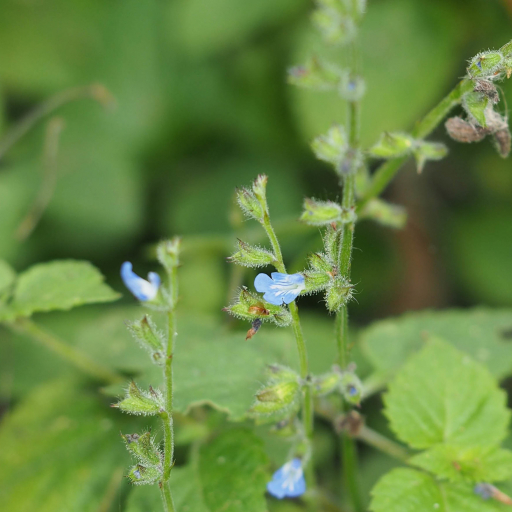
Often referred to as the Southern River Sage or Tropical Creeping Sage, Salvia misella is a subtle wanderer of the plant world. Unlike its showy garden cousins with giant flower spikes, this species is a humble ground-hugger that prefers to weave through other plants. Its species name, misella, actually translates from Latin to "wretched" or "small," likely a nod to its unassuming, tiny flowers—though fans of wild, naturalistic gardens find its delicate blue blooms quite charming.
🔍 How to Identify
- 🌿 The Foliage: The leaves are relatively small, ovate (egg-shaped) or triangular, and have softly serrated edges. They often feel slightly textured or hairy to the touch.
- 🟦 The Flowers: Look for very tiny, two-lipped flowers that are usually a pale sky-blue or soft violet. They peek out from the foliage rather than standing tall on long stalks.
- 📐 Square Stems: As a member of the mint family (Lamiaceae), it features distinct four-angled square stems that creep along the ground, often rooting where the joints touch the soil.
🏡 In Your Garden
- 🌱 The Sprawl Factor: This plant is a "prostrate" grower, meaning it spreads horizontally. It is excellent for filling gaps between taller perennials or acting as a living mulch to keep the soil cool and moist.
- 💧 Adaptable Nature: While it loves the humidity of its native tropical American origins, it is surprisingly tough. It can handle periods of dry weather but will look its "miserable" namesake self if left in scorched, bone-dry earth for too long.
- 🦋 Pollinator Magnet: Don't let the small size of the flowers fool you; bees and small butterflies are highly attracted to the nectar tucked inside those tiny blue tubes.
⚠️ Safety & Toxicity
- ✅ General Safety: Salvia misella is generally considered non-toxic to humans and is not known to be a major skin irritant.
- 🐾 Pet Watch: While most sages are safe, it is always best to prevent cats or dogs from munching on garden plants in large quantities, as ingestion of any non-dietary plant matter can cause mild stomach upset in sensitive pets.
✨ Fun Fact
Despite its "wretched" name, Salvia misella is a master of survival. In some parts of the world, it is considered a persistent weed because its creeping stems are so efficient at cloning the plant as they move across the soil!

Detailed Care Instructions
Growing Salvia Misella, also known as Tropical Sage or Blue Sage, can be a rewarding experience due to its attractive appearance and benefits to pollinators like bees, butterflies, and hummingbirds. Here are some detailed steps to help you grow Salvia Misella:
1. Choosing the Right Location
- Sunlight: Plant Salvia Misella in a location that receives full sunlight for at least six hours a day. It can tolerate partial shade but thrives best in full sun.
- Soil: Ensure the soil is well-draining. While Salvia Misella is adaptable to different soil types, it prefers slightly acidic to neutral pH levels.
2. Soil Preparation
- Preparation: Remove any weeds and debris from the planting area.
- Amendment: Enrich the soil with compost or organic matter to improve fertility and drainage.
3. Planting
- Seed Planting: If starting from seeds, plant them in seed trays or directly in the ground after the danger of frost has passed. Sow seeds about 1/4 inch deep and lightly cover them with soil.
- Transplanting: If using young plants, dig a hole twice the size of the root ball. Place the plant in the hole, ensuring the top of the root ball is level with the ground. Backfill with soil and press down gently to eliminate air pockets.
4. Watering
- Initial Watering: Water the plants immediately after planting to help them establish.
- Ongoing Watering: Keep the soil consistently moist but not waterlogged, especially during the first few weeks. Once established, Salvia Misella is fairly drought-tolerant and requires less frequent watering.
5. Mulching
- Mulch Application: Apply a 2-3 inch layer of organic mulch around the base of the plants to conserve moisture, suppress weeds, and regulate soil temperature.
6. Fertilizing
- Initial Fertilizing: Use a balanced, slow-release fertilizer at planting time.
- Ongoing Fertilizing: Fertilize once or twice during the growing season with a balanced liquid fertilizer to promote healthy growth and blooming.
7. Pruning and Maintenance
- Deadheading: Regularly remove spent flowers to encourage continuous blooming.
- Pruning: Cut back the plants in early spring to remove dead or damaged stems and to shape them as needed.
- Weeding: Keep the area around the plants weed-free to reduce competition for nutrients and water.
8. Pest and Disease Management
- Pests: Salvia Misella is relatively pest-resistant, but keep an eye out for common garden pests such as aphids or spider mites. Use insecticidal soap or neem oil if necessary.
- Diseases: Ensure good air circulation around the plants to prevent fungal diseases. Water at the base of the plants to keep foliage dry.
9. Overwintering
- Hardiness Zones: Salvia Misella is hardy in USDA zones 8-11. In colder climates, treat it as an annual or bring it indoors to a sunny location.
Following these steps will help you successfully grow and maintain a healthy Salvia Misella plant, providing beauty to your garden and support for pollinators.

Place in a bright room that is sun drenched almost all day. Or directly in a south-facing window.

To successfully water a Salvia misella plant, follow these detailed guidelines:
1. Soil Moisture Monitoring: Regularly check the soil moisture. The plant prefers moist conditions but does not thrive in waterlogged soil. Insert your finger about an inch deep into the soil to assess its moisture level. If it feels dry at this depth, it's time to water.
2. Watering Technique: Water the plant at the base rather than overhead to minimize wetting the foliage. This helps prevent fungal diseases. Use a watering can with a narrow spout or a drip irrigation system to direct water precisely to the root zone.
3. Water Amount: Provide enough water to moisten the soil thoroughly to a depth of several inches. This encourages deeper root growth. The exact amount will depend on the soil type and container size, but generally, continue watering until you see water starting to drain from the bottom holes of the container.
4. Frequency: Watering frequency depends on the environmental conditions, soil type, and the plant's growth stage. During hot, dry periods, you may need to water more frequently, possibly once every two to three days. In cooler, more humid conditions, watering once a week may suffice.
5. Container vs. Ground: If the plant is in a container, it may require more frequent watering compared to those planted in the ground, as containers dry out faster. Ensure containers have adequate drainage holes to prevent waterlogging.
6. Morning vs. Evening: Water in the morning if possible. This gives the plant time to absorb moisture before the heat of the day and reduces the risk of fungal diseases that can be exacerbated by cooler, damp nighttime conditions.
7. Mulching: Applying a layer of mulch around the base of the plant can help retain soil moisture, reduce the frequency of watering, and keep the roots cooler in hot weather.
8. Adjust for Growth Stages: Newly planted specimens may need more frequent watering to establish root systems, while mature plants may have more extensive root systems capable of accessing deeper soil moisture.
Following these guidelines will help ensure that your Salvia misella remains healthy and well-watered.
Here are the fertilizing instructions for Salvia misella:
- Choose the Right Fertilizer: A balanced, all-purpose fertilizer with equal parts nitrogen (N), phosphorus (P), and potassium (K), such as a 10-10-10 formulation, is ideal for this plant.
- Frequency: Fertilize your Salvia misella once a month during the growing season, which typically runs from spring through early fall.
- Application Method:
- Granular Fertilizer: If using a granular fertilizer, scatter it evenly around the base of the plant, avoiding direct contact with the stem. Water thoroughly after application to help the nutrients seep into the soil.
- Liquid Fertilizer: If using a liquid fertilizer, dilute it according to the manufacturer's instructions and apply it directly to the soil around the base of the plant. This method provides quicker nutrient absorption.
- Granular Fertilizer: If using a granular fertilizer, scatter it evenly around the base of the plant, avoiding direct contact with the stem. Water thoroughly after application to help the nutrients seep into the soil.
- Amount: Follow the recommended application rates on the fertilizer package. As a general rule, for a granular fertilizer, you can use about 1 teaspoon per square foot of soil around the plant. For liquid fertilizer, the dilution ratio and quantity will be specified by the manufacturer.
- Soil Preparation: Ensure the soil is well-drained and rich in organic matter. Adding compost or well-rotted manure to the soil before planting can provide a slow-release source of nutrients.
- Monitoring: Observe the plant for any signs of nutrient deficiency or over-fertilization. Yellowing leaves may indicate a lack of nutrients, while burnt leaf edges can be a sign of too much fertilizer. Adjust the fertilization schedule as needed based on the plant's response.
- Additional Tips:
- Avoid fertilizing during the dormant period in winter.
- Water the plant regularly to prevent the soil from drying out completely, as stressed plants are less able to absorb nutrients effectively.
By following these instructions, you should be able to provide your Salvia misella with the nutrients it needs to thrive.
- Avoid fertilizing during the dormant period in winter.
Salvia Misella, a species in the Salvia genus, thrives best in well-draining soil conditions. For optimal growth, consider the following soil attributes and preparation tips:
- Soil Composition: The plant prefers sandy or loamy soil types, which ensure proper drainage and aeration. These soil types prevent waterlogging, reducing the risk of root rot.
- pH Level: Aim for a slightly acidic to neutral pH range, ideally between 6.0 and 7.0. This range supports nutrient availability and healthy root development.
- Organic Matter: Incorporate organic matter such as compost or well-rotted manure into the soil. This improves soil fertility, structure, and moisture retention, providing essential nutrients for the plant.
- Drainage: Good drainage is crucial. If the natural soil in your area tends to retain water, consider amending it with coarse sand, perlite, or a fine gravel mix to enhance drainage.
- Nutrient Balance: Ensure the soil has balanced macronutrients—nitrogen (N), phosphorus (P), and potassium (K). While not overly demanding, Salvia Misella will benefit from a baseline of these nutrients, supporting robust growth and flowering.
- Mulching: Apply mulch around the base of the plant to preserve soil moisture and suppress weeds. Organic mulch such as bark chips or straw also decomposes over time, adding to the soil's organic content.
By meeting these soil requirements, you'll create an environment conducive to the healthy growth and flourishing of Salvia Misella.
Propagating Salvia Misella can be quite rewarding. Here are the steps to propagate this plant:
Propagation by Cuttings
- Timing:
- The best time to take cuttings is during the growing season, typically late spring to early summer.
- The best time to take cuttings is during the growing season, typically late spring to early summer.
- Selecting Cuttings:
- Choose healthy, non-flowering stems. The cuttings should be about 3-6 inches long.
- Ensure the cutting has at least two sets of leaves.
- Choose healthy, non-flowering stems. The cuttings should be about 3-6 inches long.
- Preparing Cuttings:
- Remove the leaves from the lower half of the stem.
- Optionally, dip the cut end in rooting hormone to encourage root development.
- Remove the leaves from the lower half of the stem.
- Planting the Cuttings:
- Fill a small pot or container with a well-draining potting mix, such as a mixture of peat and perlite or sand.
- Insert the cut end of the stem into the soil, ensuring at least one node is buried.
- Firm the soil around the cutting to hold it in place.
- Fill a small pot or container with a well-draining potting mix, such as a mixture of peat and perlite or sand.
- Care:
- Water the cutting thoroughly and keep the soil consistently moist but not waterlogged.
- Cover the pot with a clear plastic bag or dome to maintain high humidity.
- Place the pot in a warm location with indirect sunlight.
- Water the cutting thoroughly and keep the soil consistently moist but not waterlogged.
- Root Development:
- Check for root development after a few weeks by gently tugging on the cutting. Resistance indicates root growth.
- Once the roots are well-established, typically after 4-6 weeks, the new plant can be transplanted into a larger pot or directly into the garden.
Propagation by Division
- Check for root development after a few weeks by gently tugging on the cutting. Resistance indicates root growth.
- Timing:
- Division is best done in early spring or late fall when the plant is not in active bloom.
- Division is best done in early spring or late fall when the plant is not in active bloom.
- Preparing the Plant:
- Water the plant thoroughly a day before you plan to divide it to reduce stress on the plant.
- Water the plant thoroughly a day before you plan to divide it to reduce stress on the plant.
- Dividing the Plant:
- Dig up the entire plant carefully, retaining as much of the root system as possible.
- Divide the plant into smaller sections with a sharp knife or spade. Ensure each section has a good amount of roots and some shoots.
- Dig up the entire plant carefully, retaining as much of the root system as possible.
- Replanting:
- Plant each division at the same depth it was growing originally.
- Water the divisions well after planting to help them settle in.
- Plant each division at the same depth it was growing originally.
- Care:
- Keep the soil evenly moist until the new divisions are well-established.
- Provide the necessary care based on your local climate conditions.
By following these steps, you should have success in propagating Salvia Misella. Happy gardening!
- Keep the soil evenly moist until the new divisions are well-established.








