Plant Overview
Often called "Przewalski's Sage," this hardy perennial is a traveler from the high-altitude meadows of China and Tibet. Named after the famed Russian explorer Nikolai Przhevalsky, it brings a touch of wild, mountainous elegance to temperate gardens. Its deep, hooded maroon blooms act as magnetic beacons for pollinators, rising gracefully above a base of lush, textured foliage.
🔍 How to Identify
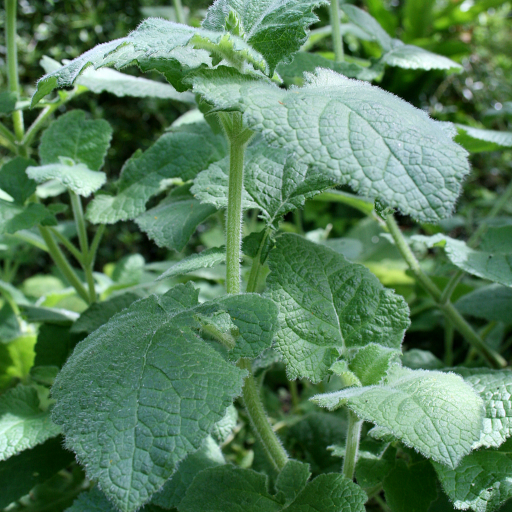
- 🍃 Textured Foliage: The leaves are large, heart-shaped, and covered in fine, soft hairs that give them a velvety, sage-green appearance.
- 🔮 Hooded Flowers: It produces striking, bicolored flowers—typically a rich reddish-purple or maroon—with the classic "gaping mouth" or hooded shape common to the Salvia family.
- 📏 Robust Stems: The plant features strong, square-shaped stems that can feel slightly sticky to the touch due to glandular hairs.
🏡 In Your Garden
- 🏔️ Mountain Heritage: Because it originates from alpine regions, this sage prefers well-drained soil and is much happier in "cool" summer climates than in sweltering, humid heat.
- 🐝 The Bee’s Knees: It is a high-performance pollinator plant; the specialized shape of the flower is perfectly designed for bumblebees to crawl inside, ensuring your garden stays buzzing and healthy.
- 💧 Winter Drainage: While it is cold-hardy, its biggest enemy is "wet feet" during the winter. Ensure it is planted in a spot where water doesn't pool, or its roots may rot during dormancy.
⚠️ Safety & Toxicity
- ✅ Non-Toxic: Salvia przewalskii is generally considered safe and non-toxic for humans, cats, and dogs.
- 🧤 Skin Sensitivity: The sticky resin and fine hairs on the stems may cause very mild irritation or a "clinging" sensation for those with highly sensitive skin; wearing gloves during heavy pruning is a good practice.
✨ Fun Fact
In its native regions of Yunnan and Tibet, the thick, reddish roots of this plant are sometimes used in traditional herbalism as a substitute for "Dan Shen" (Salvia miltiorrhiza), a famous root used to support heart health and circulation.

Detailed Care Instructions
To grow Salvia Przewalskii, also known as Przewalski's sage, follow these steps:
- Climate: Salvia Przewalskii thrives in temperate regions with cool summers and cold winters. Ensure that your climate is suitable for this plant.
- Soil: Choose well-draining soil with a pH ranging from neutral to slightly alkaline. Sandy or loamy soil is ideal. Avoid heavy clay soils.
- Sunlight: Provide the plant with full sun to partial shade. Partial shade in hot climates can help protect the plant from excessive heat.
- Planting: Start by obtaining seeds or young plants from a reputable nursery. If you are starting from seeds, sow them in well-prepared soil. The ideal time for sowing is in spring or early summer.
- Watering: Initially, keep the soil consistently moist until the plant establishes. Once established, Salvia Przewalskii is relatively drought-tolerant. Water deeply but infrequently, allowing the soil to dry out slightly between waterings.
- Mulching: Apply a layer of organic mulch around the plant to help retain moisture and suppress weed growth.
- Fertilization: Salvia Przewalskii generally doesn't require excessive fertilization. However, you can feed it with a balanced slow-release fertilizer once or twice during the growing season.
- Pruning: Prune the plant in early spring to remove any dead or damaged branches. This will help maintain a compact and healthy shape.
- Pests and diseases: Salvia Przewalskii is generally resistant to pests and diseases. However, keep an eye out for common garden pests like aphids or spider mites, and take appropriate measures if needed.
- Propagation: Salvia Przewalskii can be propagated through stem cuttings in late spring or early summer. Take 4-6 inch (10-15 cm) cuttings from healthy plants, remove the lower leaves, and root them in well-draining soil.
Remember, it is important to research the specific requirements of Salvia Przewalskii and adapt these general guidelines to your particular growing conditions.

Place in a bright room that is sun drenched almost all day. Or directly in a south-facing window.

Salvia Przewalskii plants, also known by their scientific name, belong to a specific species within the Salvia genus. They have unique watering requirements that are beneficial for their growth and overall health. Here are some guidelines to help you water Salvia Przewalskii plants effectively:
1. Watering frequency: These plants generally thrive when they receive regular watering rather than being constantly moist or completely dry. Allow the top layer of soil to dry out slightly before watering again. However, avoid letting the soil become bone dry for extended periods as it can negatively affect the plant's health.
2. Soil type: Salvia Przewalskii plants prefer well-draining soil that allows excess water to flow away easily. Use a potting mix that promotes good drainage, as waterlogged soil can lead to root rot and other issues.
3. Watering method: When watering Salvia Przewalskii, it is important to provide deep watering sessions. This means watering until the water starts to trickle out from the drainage holes at the bottom of the pot. This ensures that the water reaches the root system thoroughly, ensuring the plant's hydration.
4. Consider the climate: Salvia Przewalskii plants are hardy perennials that originate from specific regions. It's essential to understand the climate they are adapted to, as it influences their watering needs. For instance, plants grown in hot and dry climates may require more frequent watering compared to those in cooler and more humid regions.
5. Checking moisture levels: Before watering, you can use the finger test to check the soil's moisture level. Insert your finger about an inch deep into the soil. If it feels slightly dry at this depth, it is an indication that the plant needs watering. However, if the soil is still moist, you can delay watering for a while longer.
6. Watering schedule: While it is difficult to define an exact watering schedule, it is generally suggested to water Salvia Przewalskii plants about once every week during the growing season. However, this can vary based on factors such as climate, humidity, pot size, and specific watering needs of the plant.
Remember, understanding your Salvia Przewalskii plant's watering requirements will take time and observation. By paying attention to the plant's foliage, soil moisture levels, and environmental factors, you can fine-tune your watering routine to provide optimal care for this unique species.
To fertilize the Salvia Przewalskii plant, you can follow these instructions:
- Prioritize organic fertilizers: Opt for natural compost or well-decomposed organic matter to enrich the soil and provide essential nutrients to the plant.
- Timing: Apply fertilizer during the growing season, ideally in early spring when the plant starts actively growing, and then again in late summer to promote healthy growth.
- Dilution: Dilute the fertilizer according to the instructions provided on the packaging. This helps prevent over-fertilization, which can damage the plant.
- Application: Pour the diluted fertilizer mixture around the base of the plant, avoiding direct contact with the leaves and stems. Gently work the fertilizer into the top layer of soil using a small gardening tool or your fingers.
- Watering: After fertilizing, water the plant thoroughly to help distribute the nutrients evenly and prevent any potential burn caused by concentrated fertilizers.
- Mulching: Apply a layer of organic mulch around the plant, such as compost, straw, or wood chips. This helps conserve moisture, suppress weed growth, and gradually releases additional nutrients as it decomposes.
- Avoid over-fertilization: While it's beneficial to fertilize your Salvia Przewalskii, avoid excessive amounts or frequent applications, as it can lead to nutrient imbalances or damage the plant.
Remember to always refer to the specific instructions provided by the manufacturer of the fertilizer you choose to ensure the best results for your Salvia Przewalskii plant.
Salvia Przewalskii plants thrive in well-draining soil that is rich in organic matter. It is important to choose a soil type that replicates the plant's natural habitat to ensure optimal growth conditions.
The ideal soil for Salvia Przewalskii should have a slightly acidic to neutral pH level, ranging between 6.0 and 7.0, which ensures proper nutrient uptake for the plant. The soil should also be loose and friable, allowing for good aeration and root development.
To enhance drainage, a mixture of sandy and loamy soil is recommended, as it prevents waterlogging and reduces the risk of root rot. Sandy soil particles offer better drainage, while loamy soil retains sufficient moisture without becoming overly saturated.
Furthermore, incorporating organic matter, such as well-rotted compost or aged manure, into the soil before planting can greatly improve its fertility and structure. Organic matter enhances the soil's ability to retain moisture, provides essential nutrients, and promotes beneficial microbial activity.
When potting Salvia Przewalskii, a combination of potting soil and perlite can be used to create the desired soil composition. Perlite aids in drainage, prevents compaction, and adds air pockets to the mix, mimicking the properties of natural soil.
Overall, the soil used for Salvia Przewalskii should be well-draining, slightly acidic to neutral, rich in organic matter, and allow for proper root growth and nutrient absorption. Following these guidelines will help ensure healthy growth and vibrant flowering for your Salvia Przewalskii plant.
Salvia Przewalskii can be propagated through several methods including seed propagation, stem cuttings, and division. Here are the steps to propagate Salvia Przewalskii without mentioning its common names:
- Seed propagation: Collect mature seeds from the Salvia Przewalskii plant when they are fully ripe. Make sure to use gloves and handle the seeds carefully as they can be small and delicate.
- Prepare a well-draining seed starting mix or a combination of peat moss and perlite. Moisten the mix slightly.
- Sow the Salvia Przewalskii seeds on the surface of the starting mix, gently pressing them into the soil without covering them completely. Place the tray or pot in a warm location with indirect sunlight.
- Maintain a consistently moist environment by misting the seeds and covering the tray with a clear plastic dome or a plastic bag. This will help create a mini-greenhouse effect.
- Check the seeds regularly for germination, which typically occurs within 2-3 weeks. Once the seedlings reach a suitable size, carefully transplant them into individual pots filled with a well-draining soil mix.
- Stem cuttings: Take stem cuttings from a healthy Salvia Przewalskii plant during the active growing season, usually in the spring or early summer. Choose non-flowering shoots that are about 3-6 inches long.
- Prepare a rooting medium by mixing equal parts perlite and peat moss. Dampen the mixture slightly.
- Remove the lower leaves from the stem cutting, leaving only a few leaves at the top. Dip the cut end into a rooting hormone powder (optional) to expedite root formation.
- Make a hole in the rooting medium and insert the stem cutting, ensuring that at least two nodes are buried in the mix. Gently firm the medium around the cutting.
- Place the pot or tray in a warm location with indirect sunlight. Mist the cutting regularly to maintain moisture levels, and cover the container with a clear plastic bag or create a mini-greenhouse effect using a plastic dome.
- In about 4-6 weeks, roots should begin to form. Once the roots are well-established, carefully transplant the cutting into a larger pot or directly into the garden.
- Division: In early spring, when new growth is just starting, dig up the Salvia Przewalskii plant. Carefully separate the root ball into sections, ensuring that each division has a healthy portion of roots and shoots.
- Replant the divisions in well-prepared soil, ensuring that the crown of the plant (where the roots meet the stem) is level with the soil surface. Water the new divisions thoroughly immediately after planting.
- Provide adequate water and care for the newly propagated Salvia Przewalskii plants, ensuring they receive the appropriate sunlight and regular watering until they become established.
Remember to label or note down the specific species name for future reference.








