Plant Overview
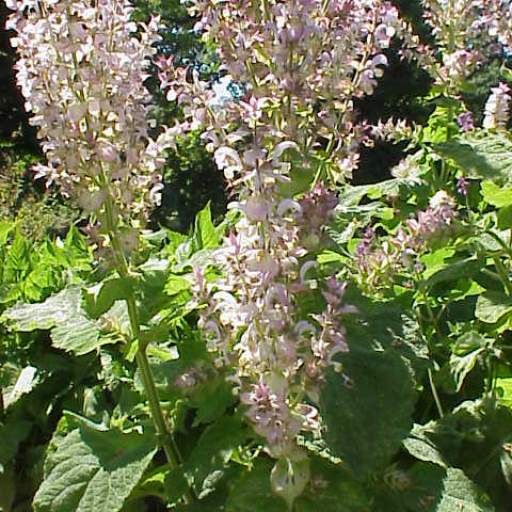
Known as "Clary Sage" or the "Clear Eye" plant, Salvia sclarea is a striking biennial that has been a staple in apothecary gardens for centuries. It is famous for its large, velvety leaves and its intoxicating, musky-sweet aroma that often lingers in the air on warm summer evenings. In the Middle Ages, it was widely used to flavor ales and wines, earning it the nickname "Muscatel Sage."
🔍 How to Identify
- 🍃 Large Velvety Leaves: The base of the plant forms a lush rosette of heart-shaped, grey-green leaves that feel remarkably soft and "pebbly" or wrinkled to the touch.
- 🌸 Towering Flower Spikes: In its second year, it sends up dramatic, square-shaped stems that can reach up to 4 feet tall, covered in tiny lilac, pink, or white flowers tucked inside papery, colorful bracts.
- 👃 Pungent Aroma: If you brush against the foliage, it releases a heavy, complex scent that is often described as a mix of lavender, tea, and warm amber.
🏡 In Your Garden
- 🌱 The Biennial Cycle: Keep in mind that Clary Sage is a biennial; it spends its first year growing a leafy base and its second year blooming. Don't be discouraged if you don't see flowers right away—the dramatic display in year two is worth the wait!
- ☀️ Sun and Drainage: Coming from the Mediterranean, this plant thrives in full sun and "lean" soil. It is extremely drought-tolerant but will quickly rot if its "feet" stay wet during the winter, so ensure your soil drains quickly.
- 🦋 Pollinator Magnet: It is an absolute favorite for bumblebees and butterflies, making it a perfect choice for a wildlife-friendly or "cottage style" garden.
⚠️ Safety & Toxicity
- ✅ Generally Safe: Clary Sage is considered non-toxic to humans and is widely used in aromatherapy and as a culinary herb.
- 🐾 Pet Friendly: It is not listed as toxic to cats or dogs by major veterinary organizations, making it a safe addition to a pet-friendly landscape. However, as with any plant, ingestion of large amounts may cause mild stomach upset.
✨ Fun Fact
Clary Sage earned its common name "Clear Eye" because its seeds produce a thick mucilage when soaked in water. In ancient times, people would place a soaked seed in their eye; the sticky coating would catch dust or debris and help "clear" it out as the seed moved!

Detailed Care Instructions
| Lighting | Full Sun |
| Toxicity | Poisonous |
| Hardiness Zones | 4A - 9B |
To grow Salvia Sclarea (Clary Sage) plants, you can follow these steps:
- Soil: Choose well-draining soil with a pH level of 6.0 to 8.5. Enrich the soil with organic matter like compost or aged manure.
- Location: Select a spot that receives full sunlight or partial shade. Salvia Sclarea prefers warm weather but can tolerate some cold.
- Planting: Sow the seeds directly into the garden soil after the last frost has passed, or start them indoors 8-10 weeks before the last frost date and transplant them later. Plant the seeds 1/8 inch deep in the soil.
- Watering: Keep the soil moist, but do not overwater as excessive moisture can lead to root rot. Water when the top inch of soil has dried out.
- Mulching: Apply a layer of organic mulch, like straw or wood chips, around the plants to help retain moisture and prevent weed growth.
- Fertilizing: Fertilize the plants once a month with a balanced liquid fertilizer to promote healthy growth. Avoid over-fertilizing, as it can result in excessive leaf production at the expense of flowering.
- Pruning: Pinch off the growing tips when the plants reach about 10 inches in height to encourage bushier growth. Remove any dead or damaged leaves regularly.
- Pests and Diseases: Salvia Sclarea is generally resistant to pests and diseases. However, keep an eye out for common garden pests like aphids or spider mites and treat them promptly if detected.
- Harvesting: Harvest the plant when the flowers are in full bloom. Cut the stems just above the foliage and dry them in a well-ventilated area away from direct sunlight. Store the dried leaves in an airtight container.
By following these guidelines, you can successfully grow Salvia Sclarea plants and enjoy their beautiful flowers and aromatic leaves.

Place in a bright room that is sun drenched almost all day. Or directly in a south-facing window.

To water this plant, ensure that you provide enough water to the root system and avoid getting water on the leaves to prevent fungal growth. Allow the soil to dry out partially between each watering to avoid overwatering and root rot. Additionally, the plant can benefit from mulching, which helps to retain moisture in the soil and inhibit weed growth. Water early in the day to prevent fungal diseases. If the plant starts to wilt, increase the water supply, but be careful not to overwater.
To fertilize this plant, apply a balanced fertilizer at a rate of 1 tablespoon per square foot of soil once a month during the growing season, which is typically during the spring and summer months. Water the plant well before and after fertilizing to ensure proper absorption and prevent damage to the plant's roots. Avoid over-fertilizing as it can cause the plant to become leggy and unstable.
Salvia Sclarea thrives in well-draining soil that is nutrient-rich and has a slightly alkaline pH. Ideally, the soil should have a pH of 7.0 to 8.0.
It is best to use a soil that contains a good mixture of organic matter, such as compost or well-rotted manure, to provide the plant with the nutrients it needs to grow strong and healthy. The soil should also have good aeration and drainage properties, which will help to prevent waterlogging and ensure that the roots of the plant have access to oxygen.
To achieve this, you can mix together equal parts of garden soil, compost, and perlite or coarse sand to create a well-draining, nutrient-rich soil mix. This will help to ensure that your Salvia Sclarea plant has the best possible growing conditions and can thrive throughout the growing season.
To propagate this plant, you will need to take a stem cutting from a mature plant. Choose healthy stems that are not woody or dry, and cut a section that is at least 4 inches long. Remove any leaves from the bottom half of the stem.
Dip the cut end of the stem into rooting hormone powder to encourage root growth. Plant the stem cutting in a pot filled with moist soil or a soilless mix. Cover the pot with a clear plastic bag to create a humid environment.
Place the pot in a warm, bright location, but out of direct sunlight. Keep the soil moist but not waterlogged, and mist the cutting daily to maintain humidity.
In about two to four weeks, you should notice roots starting to grow from the base of the stem. Once the cutting has established roots, you can remove the plastic bag and start gradually acclimating the new plant to normal conditions.
Common pests of the clary include Spider mites, fungus gnats, whiteflies, larvae, snails. Make a habit of checking your clary frequently for pests so that any infestations can be caught and managed early.








