Plant Overview
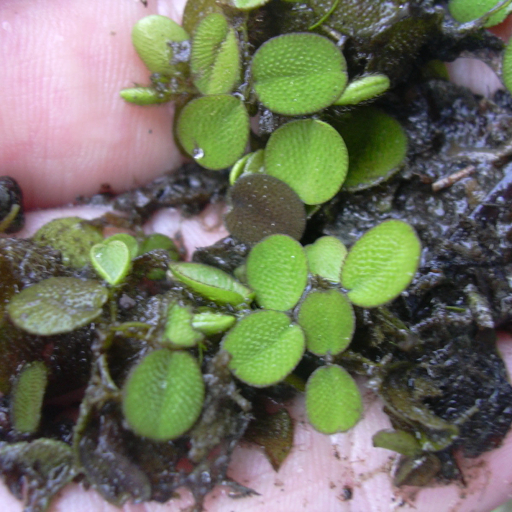
Commonly known as the Common Water Spangle, this tiny floating fern is a favorite among aquarium enthusiasts and pond keepers. Resembling a cluster of miniature green wings resting on the water's surface, it has traveled from its native South American waters to decorate water features worldwide. It is a "rootless" wonder that uses a clever biological trick to stay dry and afloat even in heavy rain.
🔍 How to Identify
- 🌿 The "Egg-Beater" Hairs: If you look closely at the leaf surface, you’ll see tiny, stiff white hairs. In Salvinia minima, these hairs are shaped like microscopic egg-beaters or "cat whiskers" that repel water.
- 🍃 Paired Fronds: The plant grows in small clusters. Each node has two floating green leaves (fronds) and one submerged, brown, feathery leaf that functions like a root to absorb nutrients.
- 🎨 Color and Texture: The leaves are usually a vibrant lime green, turning a slightly brownish-copper hue when exposed to very high light or as the plant matures.
🏡 In Your Garden & Aquarium
- ✨ The Nutrient Sponge: This plant is a powerhouse at cleaning water. It aggressively absorbs excess nitrates and phosphates, helping to prevent algae blooms in ponds and fish tanks.
- 🐟 Natural Nursery: Because of its dense, dangling "root" structures, it provides the perfect hiding spot for baby fish (fry) and shrimp, protecting them from larger predators.
- 💧 Surface Stillness: In an aquarium setting, this plant dislikes high surface agitation. If a filter splash keeps the top of the leaves constantly wet, the plant may begin to rot or "melt."
⚠️ Safety & Toxicity
- ✅ Pet & Human Safe: Salvinia minima is non-toxic to cats, dogs, and humans. It is generally safe for herbivorous fish to nibble on, though most find the texture unappealing.
- 🚫 Environmental Hazard: While safe in a tank, it is considered a highly invasive species in many parts of the United States and elsewhere. Never dispose of this plant in local lakes or storm drains, as it can quickly choke out native ecosystems.
✨ Fun Fact
The "Salvinia Effect" is a marvel of engineering! The unique structure of the hairs on its leaves traps a permanent layer of air underneath them. This allows the plant to stay completely dry even if it is pushed underwater, a feature that scientists are currently studying to create more efficient, friction-reducing coatings for ship hulls.

Detailed Care Instructions
To grow Salvinia Minima, follow these steps:
- Choose the right conditions: Salvinia Minima grows in freshwater environments such as ponds, lakes, and aquariums. It thrives in warm temperatures between 70-85°F (21-29°C) and prefers bright light but not direct sunlight.
- Obtain plant material: You can often find Salvinia Minima available for sale at local nurseries, pet stores, or online. Look for healthy plants without signs of pests or diseases.
- Prepare the planting area: If growing Salvinia Minima in an aquarium, fill the tank with freshwater and install a filter to maintain water quality. In ponds or natural bodies of water, make sure the water is clean and free of pollutants.
- Planting method 1: In an aquarium, gently place the Salvinia Minima plants on the water surface. The leaves of this floating plant will float on top of the water, forming a dense mat.
- Planting method 2: In a pond or larger body of water, anchor the Salvinia Minima to a weighted substrate such as a gravel bed at the bottom. This will prevent the plant from being carried away by the water flow and help it establish roots.
- Maintain suitable conditions: Salvinia Minima requires minimal care but benefits from regular maintenance. Keep the water temperature and lighting consistent, ensuring the plants receive adequate light for photosynthesis.
- Control growth if necessary: Salvinia Minima can grow rapidly and cover the entire water surface, restricting oxygen exchange and sunlight penetration. Regularly remove excess plants to maintain a balance and prevent overcrowding.
- Monitor water quality: Regularly check the water quality parameters such as pH, ammonia, nitrite, and nitrate levels. Salvinia Minima prefers clean water with low pollution levels.
- Propagation: Salvinia Minima reproduces vegetatively, meaning it produces runners with new plants. These runners or branches can easily be separated and planted in other areas to propagate the plant.
- Control pests and diseases: Although not highly susceptible to diseases, Salvinia Minima can be affected by various pests and parasites. Inspect the plants regularly and take appropriate measures to control any infestations.
By following these steps, you should be able to successfully grow Salvinia Minima and enjoy its attractive floating foliage in your aquarium, pond, or other freshwater environment.

Place in a window with dappled sun or a spot in the middle of a room. Or directly in a window facing west or east.

The plant requires to be hydrated regularly to avoid dehydration, wilt, and damage to the leaves and overall health of the plant. To water the plant, you can fill up a watering can, or you can use a hose or a spray bottle to mist the plant. Care should be taken while watering to avoid overwatering, as this can lead to root rot, standing water, and pests. The plant responds well to frequent, light watering - usually every two days or whenever the topsoil begins to feel dry. It is recommended to water the plant early in the morning or in the evening to avoid the heat of the sun during the day. Careful attention should also be paid to the type of water used, as this plant can be sensitive to high levels of copper, chlorine, or other chemicals found in tap water. It is generally recommended to use either distilled water or rainwater for best results.
To fertilize this aquatic fern, use a balanced water-soluble fertilizer with equal amounts of nitrogen, phosphorus, and potassium. Apply the fertilizer once a month during the growing season, which typically occurs from spring to fall. Before adding the fertilizer, make sure to remove any dead or decaying plant material from the water to prevent excess nutrient buildup.
Salvinia Minima requires a soil that is rich in nutrients and maintains moisture well. The soil should be well-draining to prevent waterlogging. It is recommended to use a potting mix that is specifically designed for aquatic plants as it will have the appropriate balance of nutrients and moisture retention. The soil should also be slightly acidic with a pH range between 6.0 to 7.5. Avoid using heavy clay soils or soils that have a high percentage of sand as they may not provide adequate support and moisture retention.
To propagate this aquatic plant, a healthy parent plant must be carefully divided into smaller sections. These sections can then be placed into a suitable aquatic environment, such as a fish tank or pond, where they can grow and develop into new plants. It is important to ensure that the new plants have access to plenty of light and nutrients, as well as regular water changes and maintenance to prevent the buildup of harmful chemicals and algae. Proper care and attention will help ensure that the new plants thrive and continue to propagate naturally.








