Plant Overview
Known as "Sauco" throughout the Andes, the Peruvian Elderberry is a high-altitude treasure that once graced the gardens of the Incan Empire. Unlike its deciduous European cousins, this species is a sturdy, evergreen-leaning shrub that produces cascades of ivory blossoms and deep purple berries. It is celebrated not just for its fruit, but for its historical role as a "living fence" and a medicinal staple in traditional South American agriculture.
🔍 How to Identify
- 🌿 Leaf Structure: Features pinnate, compound leaves usually composed of 7 to 9 leaflets. Each leaflet is elongated and oval-shaped with fine, saw-toothed (serrated) edges.
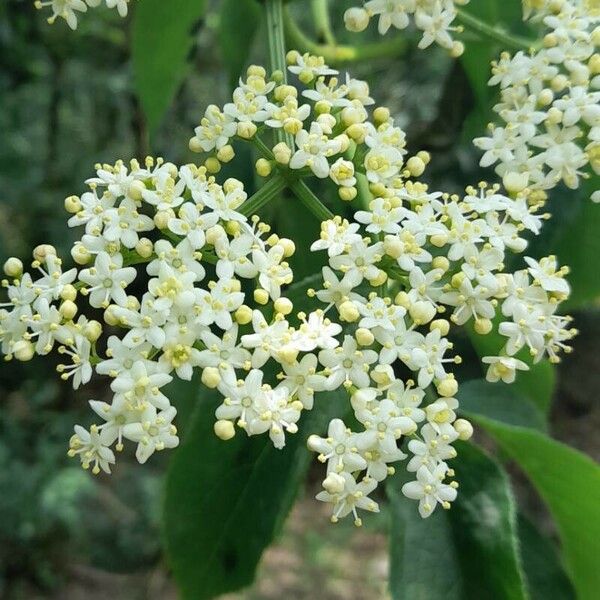
- 🌸 Floral Clusters: Produces large, flat-topped clusters of tiny, fragrant, star-shaped flowers. These blossoms range from creamy white to a soft ivory and attract a variety of high-altitude pollinators.
- 🍇 The Fruit: After flowering, the plant develops heavy bunches of small, globe-like berries. These transition from a bright green to a deep, glossy violet-black when they reach maturity.
🏡 In Your Garden
- 🏔️ Mountain Roots: Naturally adapted to the cool, moist slopes of the Andes, this plant thrives in rich, well-draining soil with plenty of organic matter. It loves humidity but dislikes "wet feet," so ensure your soil doesn't stay waterlogged.
- 🌳 Growth Habit: While it can be pruned into a tidy bush, it naturally wants to become a small, multi-stemmed tree. Because it has a vigorous and spreading root system, it is an excellent choice for stabilizing slopes or creating a thick, bird-friendly privacy screen.
⚠️ Safety & Toxicity
- 🚫 Toxicity Status: Potentially toxic if consumed raw or handled improperly.
- 🐾 Details: Like most elderberry species, the bark, leaves, and unripe berries contain cyanogenic glycosides. If ingested raw by humans, dogs, or cats, it can cause severe nausea, vomiting, and digestive distress. While the ripe berries are famously used for jams and syrups, they must be cooked thoroughly to neutralize these toxins before consumption.
✨ Fun Fact
In ancient Peru, the Peruvian Elderberry was a multi-purpose powerhouse; its wood is surprisingly hard and fine-grained, leading traditional artisans to use it for crafting high-quality "Quena" (Andean flutes) and weaving tools.

Detailed Care Instructions
Growing Sambucus peruviana, also known as Peruvian elder, involves several essential steps to ensure that the plant thrives in your environment. Here's a comprehensive guide to help you grow this plant successfully:
1. Location and Climate
- Climate: Sambucus peruviana thrives in subtropical to tropical climates. It prefers areas with mild winters and moderate summers.
- Sunlight: Choose a location that receives full sun to partial shade. This plant can tolerate some shade, but it will produce more flowers and fruit in full sun.
2. Soil Preparation
- Type: Sambucus peruviana prefers well-drained soil. It can tolerate a range of soil types, including loamy, sandy, and slightly clayey soil, but good drainage is crucial.
- pH Level: The ideal soil pH is slightly acidic to neutral (pH 6.0-7.0).
- Amendments: If your soil is heavy or clayey, amend it with organic matter like compost or aged manure to improve drainage and fertility.
3. Planting
- Timing: Plant Sambucus peruviana in the spring after the last frost date. In warmer climates, you can also plant in the fall.
- Spacing: Space the plants approximately 10-12 feet apart to allow for proper air circulation and growth, as they can become quite large.
- Planting Depth: Dig a hole twice as wide and as deep as the root ball. Place the plant in the hole, backfill with soil, and water well.
4. Watering
- Frequency: Water regularly during the first growing season to establish a strong root system. Once established, Sambucus peruviana is relatively drought-tolerant but will perform best with consistent moisture.
- Method: Use a soaker hose or drip irrigation to provide deep watering and to keep the foliage dry, reducing the risk of disease.
5. Fertilization
- Type: Use a balanced, slow-release fertilizer in early spring. Alternatively, you can use compost or well-rotted manure.
- Frequency: Fertilize once annually in the spring. Over-fertilization can lead to excessive foliage growth at the expense of flowers and fruit.
6. Pruning
- Timing: Prune in late winter or early spring before new growth starts.
- Method: Remove dead, damaged, or diseased wood. Thin out older stems to encourage new growth. You can also shape the plant to maintain a desired form and control its size.
7. Pests and Diseases
- Common Issues: Sambucus peruviana can be susceptible to aphids, spider mites, and various fungal diseases like powdery mildew and canker.
- Management: Regularly inspect your plants and treat any infestations promptly with appropriate insecticides or fungicides, or use organic solutions like neem oil. Ensure good air circulation and avoid overhead watering to reduce disease risk.
8. Propagation
- Method: Sambucus peruviana can be propagated by seeds, cuttings, or root division.
- Seeds: Collect seeds from ripe berries, clean them, and sow them in a well-draining seed mix. Keep them moist but not waterlogged.
- Cuttings: Take softwood cuttings in late spring or early summer or hardwood cuttings in late fall. Root them in a moist, well-draining medium.
- Division: In early spring or fall, you can divide established clumps to create new plants.
9. Maintenance
- Seeds: Collect seeds from ripe berries, clean them, and sow them in a well-draining seed mix. Keep them moist but not waterlogged.
- Weeding: Keep the area around the plants free of weeds, which can compete for nutrients and water.
- Mulching: Apply a layer of mulch around the base of the plant to conserve moisture, regulate soil temperature, and reduce weed growth.
By following these guidelines, you can successfully grow Sambucus peruviana and enjoy its ornamental beauty and potential culinary or medicinal uses. Always consider local growing conditions and adapt these practices as needed.
Watering Sambucus peruviana requires a careful balance to ensure the plant thrives without succumbing to drought stress or waterlogging. Here are some detailed guidelines:
- Soil Moisture:
- Ensure the soil is consistently moist but not saturated. This species prefers well-draining soil to prevent root rot.
- Use your finger or a moisture meter to check the soil's moisture level. The top inch of the soil should be dry before you add more water.
- Ensure the soil is consistently moist but not saturated. This species prefers well-draining soil to prevent root rot.
- Watering Frequency:
- Newly planted specimens need frequent watering to establish a strong root system. Water them deeply every few days for the first few weeks.
- Once established, water the plant deeply once a week during dry periods or more frequently if the weather is particularly hot and dry.
- Newly planted specimens need frequent watering to establish a strong root system. Water them deeply every few days for the first few weeks.
- Method of Watering:
- Deep watering is recommended. It encourages deep root growth, which makes the plant more drought-resistant.
- Water at the base of the plant to ensure the roots receive adequate hydration. Avoid overhead watering to minimize the risk of fungal diseases.
- Deep watering is recommended. It encourages deep root growth, which makes the plant more drought-resistant.
- Seasonal Adjustments:
- Reduce watering frequency in the cooler months when the plant is not actively growing and the soil retains moisture longer.
- During the growing season (spring and summer), monitor the soil closely and increase the watering frequency as needed.
- Reduce watering frequency in the cooler months when the plant is not actively growing and the soil retains moisture longer.
- Mulching:
- Apply a layer of organic mulch around the base of the plant to help retain soil moisture, moderate soil temperatures, and reduce water evaporation.
- Keep the mulch a few inches away from the stem to prevent rot.
- Apply a layer of organic mulch around the base of the plant to help retain soil moisture, moderate soil temperatures, and reduce water evaporation.
- Rainfall Considerations:
- Adjust your watering schedule based on the amount and frequency of natural rainfall. Supplement only if the rainfall is insufficient.
- Ensure the site has proper drainage to avoid water pooling around the plant after heavy rains.
By maintaining a consistent watering regimen tailored to the plant's needs and the local climate conditions, you can support healthy growth and vibrant foliage.
- Adjust your watering schedule based on the amount and frequency of natural rainfall. Supplement only if the rainfall is insufficient.
Here's how you can properly fertilize your Sambucus Peruviana:
- Timing: Fertilize the plant during its active growing season, which typically spans from early spring to late summer. Avoid fertilizing during the dormant winter months.
- Type of Fertilizer: Use a balanced, slow-release granular fertilizer with a nutrient ratio of 10-10-10 (Nitrogen-Phosphorus-Potassium) or similar. Alternatively, a well-composted organic fertilizer can also be beneficial.
- Application:
- Before applying fertilizer, thoroughly water the plant. This helps prevent root burn and aids in nutrient absorption.
- Follow the manufacturer's instructions for the specific type of fertilizer you are using. Typically, you will spread the granular fertilizer evenly around the base of the plant, keeping it a few inches away from the stem to prevent direct contact.
- Lightly rake the fertilizer into the top layer of soil, and then water the area again to help the nutrients penetrate the soil and reach the roots.
- Before applying fertilizer, thoroughly water the plant. This helps prevent root burn and aids in nutrient absorption.
- Frequency:
- For granular slow-release fertilizers, one application in early spring should suffice, with a possible second application in mid-summer if the plant appears to need it.
- If using a liquid fertilizer or a water-soluble type, you may need to apply it more frequently, generally every 4-6 weeks during the growing season.
- For granular slow-release fertilizers, one application in early spring should suffice, with a possible second application in mid-summer if the plant appears to need it.
- Observation: Keep an eye on the plant's growth and overall health. If you notice any signs of nutrient deficiency (such as yellowing leaves or stunted growth), you may need to adjust your fertilizing schedule or type. Over-fertilization can also cause problems, so be cautious not to exceed recommended amounts.
By following these instructions, your plant should have the necessary nutrients to thrive and grow vigorously.
To successfully cultivate Sambucus peruviana, it's crucial to start with the appropriate soil type, which directly influences the plant’s growth and health. Here's a detailed guide tailored to this particular species:
- Soil Type:
- Loamy Soil: The ideal soil for Sambucus peruviana is a well-draining, loamy soil. This soil type balances clay, silt, and sand, ensuring that roots can access both the air and water they need without becoming waterlogged.
- Loamy Soil: The ideal soil for Sambucus peruviana is a well-draining, loamy soil. This soil type balances clay, silt, and sand, ensuring that roots can access both the air and water they need without becoming waterlogged.
- Soil pH:
- Aim for a slightly acidic to neutral pH range between 5.5 and 7.0. This ensures that the plant can effectively absorb nutrients, especially essential minerals like iron and magnesium.
- Aim for a slightly acidic to neutral pH range between 5.5 and 7.0. This ensures that the plant can effectively absorb nutrients, especially essential minerals like iron and magnesium.
- Organic Matter:
- Incorporating organic matter such as compost, well-rotted manure, or leaf mold into the soil can significantly benefit Sambucus peruviana. Organic matter improves soil structure, enhances water retention in sandy soils, and improves drainage in clay soils. It also increases nutrient availability.
- Incorporating organic matter such as compost, well-rotted manure, or leaf mold into the soil can significantly benefit Sambucus peruviana. Organic matter improves soil structure, enhances water retention in sandy soils, and improves drainage in clay soils. It also increases nutrient availability.
- Drainage:
- Proper drainage is essential as this plant does not thrive in waterlogged conditions. To boost drainage, consider amending the soil with sand or perlite, particularly if you're working with heavy clay soils. Raised beds or mounds can also help prevent water accumulation around the root zone.
- Proper drainage is essential as this plant does not thrive in waterlogged conditions. To boost drainage, consider amending the soil with sand or perlite, particularly if you're working with heavy clay soils. Raised beds or mounds can also help prevent water accumulation around the root zone.
- Soil Fertility:
- Though Sambucus peruviana is relatively adaptable, it does best in fertile soils rich in essential nutrients. Regularly testing the soil and amending it with balanced fertilizers or organic amendments can maintain optimal fertility. An all-purpose fertilizer or a slow-release formula applied in the growing season is generally sufficient.
- Though Sambucus peruviana is relatively adaptable, it does best in fertile soils rich in essential nutrients. Regularly testing the soil and amending it with balanced fertilizers or organic amendments can maintain optimal fertility. An all-purpose fertilizer or a slow-release formula applied in the growing season is generally sufficient.
- Mulching:
- Applying a layer of mulch around the plant can help regulate soil temperature, retain moisture, suppress weeds, and gradually add organic matter to the soil as it decomposes. Organic mulches like straw, wood chips, or shredded bark are preferable.
- Applying a layer of mulch around the plant can help regulate soil temperature, retain moisture, suppress weeds, and gradually add organic matter to the soil as it decomposes. Organic mulches like straw, wood chips, or shredded bark are preferable.
- Site Preparation:
- Prior to planting, prepare the site by thoroughly working the soil to a depth of at least 12 inches (30 cm). This loosens compacted soil, enhances root penetration, and ensures that amendments like compost are well mixed in.
By adhering to these guidelines, you create an optimal growing environment for Sambucus peruviana, promoting vigorous growth and robust health. Regular monitoring and adjustments based on observations and soil tests will help maintain ideal conditions.
- Prior to planting, prepare the site by thoroughly working the soil to a depth of at least 12 inches (30 cm). This loosens compacted soil, enhances root penetration, and ensures that amendments like compost are well mixed in.
Propagating Sambucus peruviana can be accomplished through both seeds and cuttings. Here’s a detailed guide for each method:
Propagating from Seeds
- Seed Collection:
- Collect ripe berries from the plant during its fruiting season.
- Extract the seeds by mashing the berries and separating them from the pulp. Rinse the seeds to remove any remaining fruit residue.
- Collect ripe berries from the plant during its fruiting season.
- Seed Stratification:
- Seeds often need a period of cold stratification to break dormancy.
- Place the seeds in a damp paper towel inside a plastic bag and store them in the refrigerator for about 2-3 months.
- Seeds often need a period of cold stratification to break dormancy.
- Sowing Seeds:
- After stratification, prepare a seed tray with a well-draining seed starting mix.
- Sow the seeds on the surface and lightly cover them with a thin layer of the mix.
- Moisten the soil and place the tray in a location with indirect light.
- After stratification, prepare a seed tray with a well-draining seed starting mix.
- Germination:
- Keep the soil consistently moist but not waterlogged.
- Seeds may take several weeks to months to germinate, so patience is required.
- Once seedlings are large enough to handle, transplant them into individual pots or directly into the garden.
Propagating from Cuttings
- Keep the soil consistently moist but not waterlogged.
- Selecting Cuttings:
- Choose a healthy, mature plant and take cuttings during early spring or late autumn.
- Use a sharp, sterilized knife or pruning shears to take cuttings about 4-6 inches long from new, non-flowering wood.
- Choose a healthy, mature plant and take cuttings during early spring or late autumn.
- Preparing the Cuttings:
- Remove the leaves from the lower half of the cutting.
- Dip the cut end into rooting hormone powder to encourage root development.
- Remove the leaves from the lower half of the cutting.
- Planting the Cuttings:
- Fill a pot with a well-draining potting mix, such as a mix of perlite and peat moss.
- Insert the cuttings into the soil, burying about half of their length.
- Water the cuttings thoroughly and cover the pot with a plastic bag to create a humid environment.
- Fill a pot with a well-draining potting mix, such as a mix of perlite and peat moss.
- Root Development:
- Place the pot in a warm location with indirect light.
- Check the cuttings periodically and keep the soil moist but not soggy.
- Root development may take several weeks. You can check for root growth by gently tugging on the cuttings; resistance indicates rooting.
- Place the pot in a warm location with indirect light.
- Transplanting:
- Once the cuttings have developed a healthy root system, they can be transplanted into larger pots or directly into the garden.
- Ensure they are placed in an area with partial to full sunlight and well-drained soil.
General Care Tips
- Once the cuttings have developed a healthy root system, they can be transplanted into larger pots or directly into the garden.
- Soil: Sambucus peruviana prefers well-draining soil, rich in organic matter.
- Water: Keep the soil consistently moist, especially during the establishment period.
- Sunlight: This plant thrives in full sun to partial shade.
- Pruning: Regular pruning helps maintain the plant's shape and encourages new growth.
By following these propagation methods, you can effectively cultivate Sambucus peruviana and ensure healthy plant growth.







