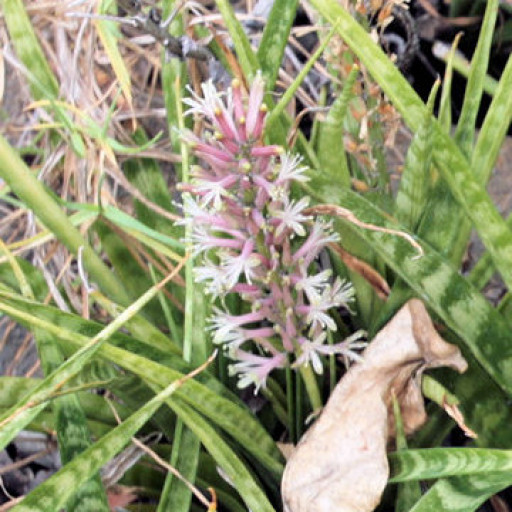
Plant Overview
Known affectionately as the Kenya Hyacinth, Sansevieria parva is the graceful, "wild child" of the snake plant family. Unlike its stiff, upright cousins, this variety features elegant, arching leaves that give it a grassy, fountain-like appearance. It is a favorite for indoor gardeners who want the legendary "indestructible" nature of a Sansevieria but with a softer, more delicate aesthetic.
🔍 How to Identify
- 🍃 Leaf Shape: Long, narrow, lance-shaped leaves that taper to a fine point, typically reaching between 8 to 16 inches in length.
- 🎨 Coloring: A bright medium-green base decorated with darker green horizontal bands, though these patterns may become more subtle in lower light.
- 🌱 Growth Habit: It is a "stoloniferous" plant, meaning it sends out long, thin runners (stolons) that sprout baby plantlets at the ends, much like a Spider Plant.
🏡 In Your Garden
- 🧺 Versatile Display: Because of its trailing runners and arching foliage, this is one of the few Sansevierias that looks spectacular in a hanging basket rather than just a floor pot.
- 💧 Drought Strategy: Its fleshy leaves are built to store water for long periods in the East African heat. It thrives on neglect and is far more likely to suffer from "over-care" or soggy soil than from a missed watering.
- ☀️ Light Flexibility: While it is famous for surviving in dim corners, giving it bright, indirect light will reward you with faster growth and more prominent leaf striping.
⚠️ Safety & Toxicity
- 🐾 Mildly Toxic: Like all Sansevierias, the Parva contains saponins, which act as a natural insecticide but are toxic to household pets.
- 🤢 Details: If leaves are chewed or swallowed by cats or dogs, it can lead to drooling, nausea, vomiting, or diarrhea. It is best kept on high shelves or in hanging pots away from curious nibblers.
✨ Fun Fact
- 🌸 Night Perfume: It earned its "Hyacinth" nickname because of its flowers. When it blooms, it produces spikes of small, pale pinkish-white blossoms that release an incredibly sweet, heavy fragrance specifically at night to attract pollinators.

Detailed Care Instructions
To grow a Sansevieria Parva plant, also known as the Kenyan Silver Spear, follow these steps:
- Select a suitable location: Sansevieria Parva prefers bright, indirect light but can also tolerate low light conditions. It can be grown indoors or outdoors in a location where it receives partial sunlight or shade.
- Choose the right soil: Use well-draining soil or succulent mix that allows excess water to drain away. Avoid heavy or waterlogged soils, as they can cause root rot.
- Planting: Select a pot with drainage holes and fill it with the prepared soil. Place the Sansevieria Parva plant in the center and fill the remaining space with soil, leaving a little space from the rim. Gently press down the soil around the root ball to secure the plant.
- Watering: Water the plant thoroughly but allow the soil to dry between waterings. Sansevieria Parva is a drought-tolerant plant that can survive with minimal water. Overwatering can lead to root rot.
- Temperature and humidity: Sansevieria Parva grows well in normal room temperatures ranging between 65-85°F (18-29°C). It can tolerate lower temperatures but should be protected from frost. This plant can also adapt to household humidity levels.
- Fertilization: Sansevieria Parva doesn't require frequent fertilization. Apply a balanced houseplant fertilizer once a month during the growing season (spring and summer).
- Propagation: Sansevieria Parva can be propagated through division or leaf cuttings. Divide the plant carefully, ensuring each segment has its own roots. Alternatively, cut a healthy leaf into sections and plant them in moist soil until they develop roots.
- Maintenance: Remove any faded, damaged, or yellowing leaves to maintain a neat appearance. Sansevieria Parva doesn't require extensive pruning, but occasionally trimming the tips of long leaves can encourage a bushier growth.
Remember, plants can have individual preferences, so closely monitor the condition of your Sansevieria Parva and make adjustments accordingly.
Sansevieria Parva plants should be watered thoroughly but infrequently to prevent over-watering. The soil should be allowed to dry out completely before watering again. When watering, the soil should be soaked until water runs out of the drainage holes at the bottom of the pot. The plant should be watered at the base, avoiding getting water on the leaves as this can cause rot and disease. In winter, the plant should be watered even more sparingly, as the plant goes into dormancy and requires less water.
To fertilize this plant, mix a balanced liquid fertilizer with water according to package instructions. Apply the fertilizer solution to the soil around the base of the plant once a month during the growing season (spring and summer). Avoid over-fertilization, as this plant prefers a lean soil. In winter, refrain from fertilizing.
Sansevieria Parva, also known as the plant with long, upright, sword-shaped leaves, prefers well-drained soil that is not too heavy or dense. The soil should be a mixture of sand, perlite, and peat moss to provide proper aeration and drainage. A slightly acidic soil pH of 6-7 is ideal for the plant's growth, and it should be kept moist but not too wet. It is important to avoid overwatering as Sansevieria Parva can easily rot in overly damp conditions. The plant can tolerate a range of soil types, including sandy, loamy, and clay soils, as long as they are well-drained and not too rich in organic matter. A balanced fertilizer with a 10-10-10 NPK ratio can be added to the soil during the growing season to promote healthy growth.
Sansevieria Parva can be propagated by division or leaf cuttings. To propagate by division, carefully separate the plant from the soil and gently pull apart the root system. Ensure that each division has at least one healthy leaf and root system.
For leaf cuttings, select a healthy leaf and cut it into sections about 2-3 inches long. Allow the cut ends to dry for a day or two, and then plant them in moist potting soil. Keep the soil moist and provide indirect light and warmth.
Both methods should result in new growth within a few weeks to a few months. Ensure that the newly propagated plants are kept in a warm, humid environment, and away from direct sunlight until they are established.








